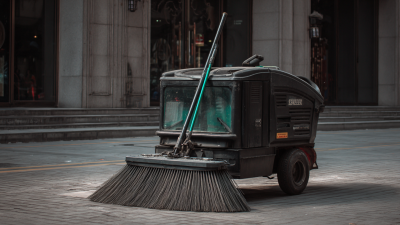
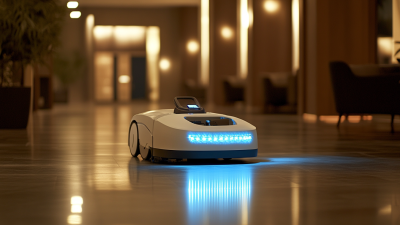
2026 Top Sweeper Types Which One is Right for You
Choosing the right sweeper can be daunting. With various types on the market, each serves different needs. Industry expert John Anderson once stated, "The right sweeper can enhance efficiency and reduce labor costs." This insight highlights the significance of selecting the ideal machine for specific tasks.
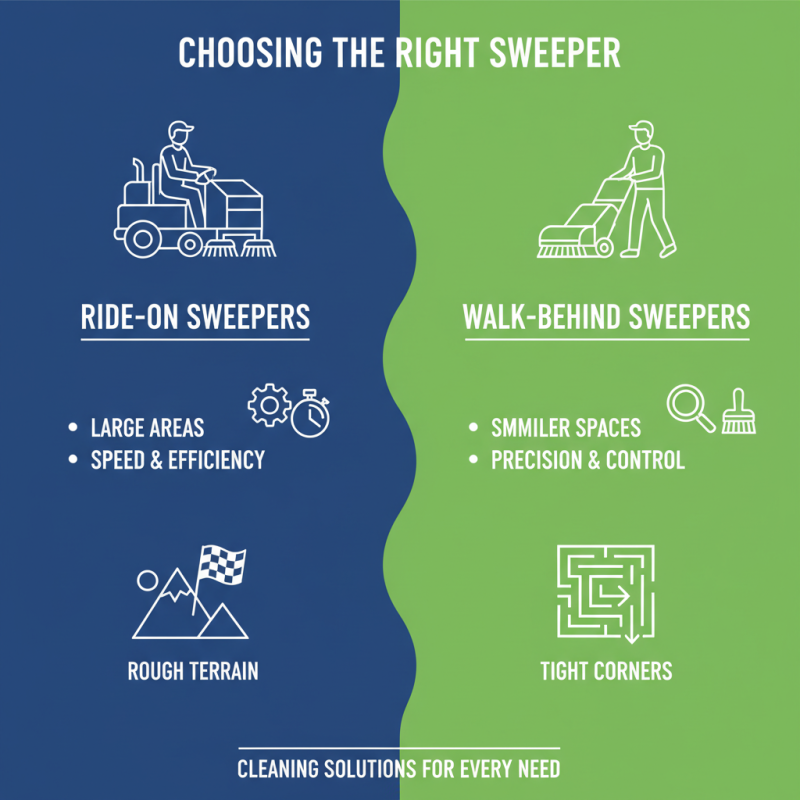
From ride-on sweepers to walk-behind models, understanding their unique features is crucial. The ride-on models are faster and suitable for large areas. However, they might not fit in tight spaces. Walk-behind sweepers, in contrast, are perfect for smaller jobs. Yet, they demand more manual effort. Balancing speed and effectiveness should guide your choice.
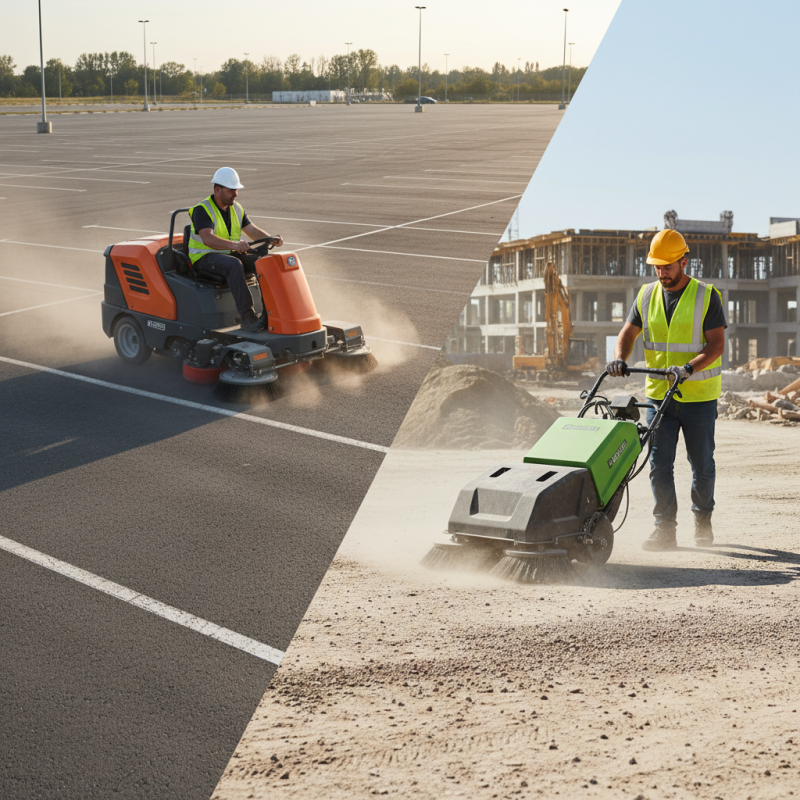
Many buyers overlook maintenance requirements. Some sweepers need regular servicing, while others are low-maintenance. Users should reflect on their operational environments. Dusty construction sites and clean parking lots require different solutions. It's imperative to assess not just current needs but also future demands. Your investment in a sweeper should align with both today’s chore and tomorrow's potential.
Understanding Different Types of Sweepers: An Overview
Choosing the right sweeper isn't always straightforward. Various types serve different needs. Knowing their features is key to making the best decision for your space.
Some sweepers are designed for large areas. They can cover extensive surfaces with ease. Others might be compact, ideal for tight spaces or smaller tasks. Each type has its pros and cons. For example, while larger sweepers are efficient, they may struggle in small, cluttered environments.
Electric sweepers offer a quieter option, perfect for indoor use. However, their battery life can be a concern. Mechanical sweepers, on the other hand, depend on manual effort but can be more reliable in tough conditions. Reflecting on these differences can guide you toward the most suitable choice for your specific cleaning tasks.
2026 Top Sweeper Types Which One is Right for You - Understanding Different Types of Sweepers: An Overview
| Sweeper Type |
Best For |
Features |
Typical Usage |
| Walk-Behind Sweepers |
Small Areas |
Compact design, easy maneuverability |
Sidewalks, small parking lots |
| Ride-On Sweepers |
Medium to Large Areas |
Operator comfort, larger capacity |
Warehouses, large retail spaces |
| Industrial Sweepers |
Heavy-Duty Cleaning |
Powerful suction, durability |
Factories, construction sites |
| Outdoor Sweepers |
Parking Lots, Streets |
Weather-resistant, rugged |
City streets, outdoor events |
| Fine Dust Sweepers |
Dust Control |
High filtration systems |
Industrial applications, sensitive areas |
Evaluating Your Cleaning Needs: Which Sweeper Suits You Best?
When evaluating your cleaning needs, consider the type of environment you maintain. Different settings require different sweepers. A small apartment may not need a large, industrial-sized model. In contrast, a warehouse or large retail space would benefit from a powerful, robust sweeper.
Think about your flooring as well. Hard floors may need a different approach compared to carpets. If you have pets, look for models that effectively pick up hair and dander. It’s also worth noting that some machines can handle wet and dry debris, which adds versatility for varying messes.
Tips: Always assess the weight and maneuverability of your sweeper. Some units can be heavy and awkward. Consider a lightweight option if you have stairs. Check the maintenance requirements too. A complex machine might be frustrating in the long run. Be clear about your budget; expensive does not always mean better. Plan accordingly, and choose wisely.
Key Features and Benefits of Common Sweeper Types
Choosing the right sweeper can be a challenge. Different types serve specific needs. For example, ride-on sweepers are perfect for large areas. They offer speed and efficiency, handling rough terrains. On the other hand, walk-behind sweepers provide precision for smaller spaces. They are easy to maneuver and ideal for tight corners.
Consider the debris type. If you often deal with leaves and twigs, a heavy-duty sweeper is essential. It can handle tougher materials better. Light-duty models might struggle and require more time. Battery-operated options are convenient too. They are quieter and eco-friendly but may need more frequent charging.
Reflect on your maintenance capabilities. High-performance models often need regular upkeep. Simple models might be less efficient but are easier to maintain. Sometimes, a balance is needed between power and ease of use. Picking the right model involves analyzing your unique environment and usage. Don't rush this decision; each type has its pros and cons.
Cost Considerations: Budgeting for Your Sweeper Purchase
When budgeting for a sweeper purchase, consider all costs involved. The initial price is just the beginning. Regular maintenance, repairs, and operational costs can add up quickly. Plan for these expenses to avoid surprises later. Think about how much you are willing to invest in a machine that meets your needs.
Tips: Research different types of sweepers. Some are more cost-effective over time. Look for models known for their durability. Read reviews and ask for user feedback. Don’t rush this decision. A few extra hours spent on research can save you money.
It’s easy to underestimate the total costs. Sometimes, a cheaper model ends up costing more due to frequent repairs. Keep in mind your specific needs. Will you use it in heavy-duty situations or light cleaning tasks? That choice will impact your budget significantly. Ensure you select a sweeper that truly fits your requirements.
Maintaining Your Sweeper for Optimal Performance and Longevity
Maintaining your sweeper is crucial for its performance and longevity. Regular check-ups can prevent major breakdowns. According to industry reports, proper maintenance can extend the lifespan of your sweeper by up to 30%. This can save significant costs in the long term.
One of the most essential tips is to clean the filters frequently. Clogged filters can drastically reduce efficiency. Make sure to inspect them every month. Additionally, check the brush and squeegee condition regularly. Worn-out brushes can miss debris, affecting clean quality. Remember, a simple visual inspection can yield great results.
Lastly, ensure the sweeper's battery is in good condition. It’s common to overlook battery maintenance until it’s too late. A weak battery can lead to inconsistent performance. Pay attention to charge cycles. Understand that neglect can lead to poor results. Keep a log of maintenance tasks. This helps track what needs attention and encourages good habits.
2026 Top Sweeper Types Performance Comparison
This chart compares the performance metrics of different types of sweepers based on their efficiency, versatility, and maintenance needs. The categories represented include Ride-on Sweepers, Walk-behind Sweepers, and Truck-mounted Sweepers. Each type has varying levels of performance that can impact operational costs and effectiveness.