Inquiry
Form loading...
Choosing the best Sweeper Vacuum in 2026 depends on your floors, cleaning habits, and budget—not just the boldest claims on a product box. A compact model may suit a kitchen with crumbs and hard flooring, while a home with rugs, pet hair, or long hallways may need stronger brush action and a larger collection bin. Small details matter. Can it reach beneath a sofa? Does it turn easily around chair legs? Will its handle feel comfortable after several rooms?
This guide looks at the features that shape everyday use: pickup on different surfaces, edge cleaning, weight, bin capacity, battery life where applicable, maintenance, and price. Manufacturer specifications can help with comparisons, but they do not tell the whole story. Real performance depends on floor type, debris, and how often the sweeper is used. A low price can be appealing. Replacement parts and routine cleaning may change the value over time.
There is no single winner for every household. The lightest option may be easy to store but less suited to thick carpet; a larger model may collect more debris but feel awkward in a narrow apartment. That trade-off is easy to overlook. This overview aims to help readers match a Sweeper Vacuum to their actual rooms and routines, while treating marketing claims with care. Check current specifications and product details before buying, since models and availability can change.
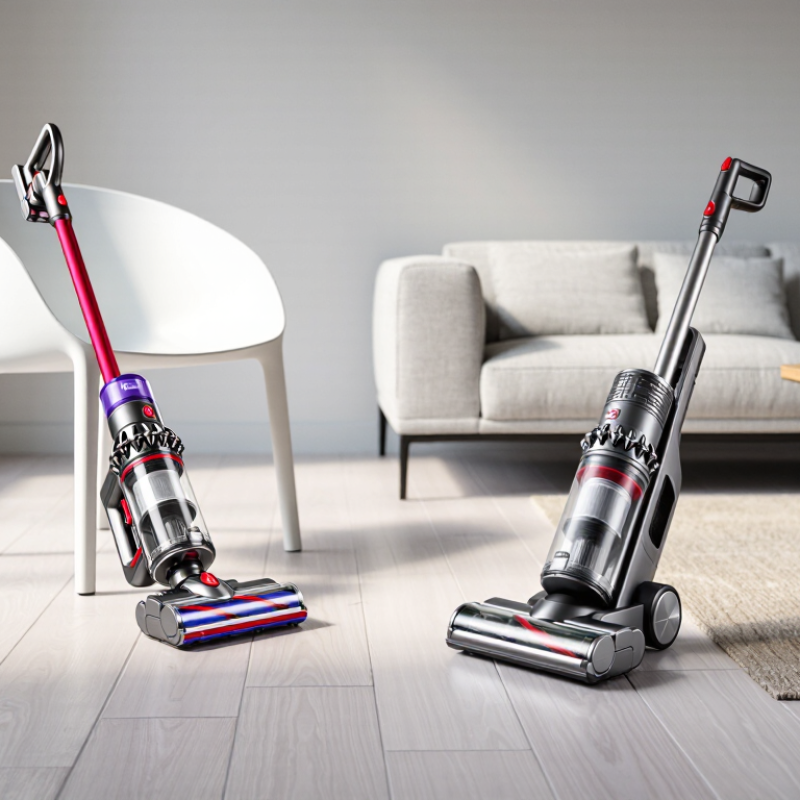
What Is the Best Sweeper Vacuum to Buy in 2026?
What a Sweeper Vacuum Is and How It Works
A sweeper vacuum is a lightweight floor-cleaning tool designed for quick pickups. The term can describe two different machines. A manual sweeper uses wheels to turn a rotating brush as you push it. The brush flicks crumbs, hair, and grit into a small collection chamber. No motor. No suction.
Electric models add a motor, and some also create suction. Their powered brush loosens debris from the floor, while airflow pulls smaller particles into a dust bin. On a kitchen floor, this might mean collecting cereal crumbs beside a table. On low-pile carpet, a brush can lift lint and pet hair. Results vary with floor texture and debris size.
A sweeper vacuum is usually lighter and easier to grab than a full-size vacuum. Its smaller bin fills quickly, though, and fine dust may escape some models. That trade-off matters. If choosing one in 2026, check whether it is manual or powered, how its brush suits your floors, and whether the bin is simple to empty. A quick test on your own flooring can reveal more than a long feature list. The naming is still a little confusing. So read the specifications carefully.
A “sweeper vacuum” can mean a manual carpet sweeper or a powered vacuum with brushes and suction. The best choice depends on your flooring, cleaning needs, and preference for manual, cordless, or automated operation.
| Type | How It Works | Best Suited To | Main Advantages | Trade-Offs | What to Check Before Buying |
|---|---|---|---|---|---|
| Manual carpet sweeper | Pushing the unit turns its wheels and brush roller. The brush gathers surface debris into an onboard bin; it does not use a suction motor. | Quick pickups on rugs and low-pile carpet, especially where quiet, cord-free cleaning matters. | No charging or power cord; simple to use and generally quieter than powered vacuums. | Limited deep-cleaning ability; performance depends on the brush and surface, and fine dust may remain. | Check brush pickup, bin capacity, ease of emptying, and whether the sweeper works on your rug pile. |
| Cordless stick vacuum with powered floor head | A motor and fan create airflow that draws debris through the cleaning head into a dust cup. A powered brush roll helps lift dirt and hair from carpets. | Homes needing one portable cleaner for everyday hard-floor and carpet maintenance. | More versatile than a manual sweeper; no cord to move around, and many models convert to handheld use. | Battery life is finite and varies by model and power setting; dust cups are usually smaller than those on many upright vacuums. | Compare usable runtime, floor-head design, weight, bin emptying, filter care, and replacement-battery availability. |
| Robot vacuum | A motorized brush and suction collect debris as the robot moves across the floor. Sensors help it navigate, avoid obstacles, or map rooms, depending on the model. | Routine maintenance cleaning on accessible floors, particularly in homes with open areas. | Can clean on a schedule with less hands-on effort; compact body reaches under some furniture. | May need help with cords, clutter, stairs, and some rugs; still requires bin, brush, and filter maintenance. | Check navigation, height, threshold handling, carpet performance, scheduling controls, and whether an auto-empty dock is included. |
| Upright vacuum with brush roll | A powered brush agitates carpet while the motor-driven airflow carries loosened debris into a bag or dust cup. Some models let users switch off or adjust the brush for hard floors. | Larger carpeted areas or households that want a full-size, plug-in cleaner for regular vacuuming. | No battery runtime limit while plugged in; often offers a larger debris capacity than compact cleaners. | Requires storage space and cord management; can be less convenient on stairs or for quick spot cleaning. | Check weight, cord length, brush-roll controls, height adjustment, bag or bin costs, and stair-cleaning tools. |
| Wet-dry floor cleaner | A powered roller applies cleaning solution to compatible hard floors and collects dirty liquid into a separate recovery tank; it is not a substitute for a carpet vacuum. | Sealed hard floors where users want to pick up debris and wash the surface in one pass. | Combines wet cleaning and collection of some dry debris on suitable hard flooring. | Needs tank and roller cleaning after use; compatibility with flooring and cleaning solutions matters. | Confirm approved floor types, edge reach, tank capacity, self-cleaning features, and routine roller maintenance. |
| Stage | What Happens |
|---|---|
| 1. Loosen | A floor head, often with a rotating brush, dislodges hair, crumbs, and other debris from the surface or carpet fibers. |
| 2. Draw in | A fan creates airflow through the nozzle, carrying loosened debris into the vacuum’s collection system. |
| 3. Separate and collect | Debris is captured in a bag or dust cup. Filters trap particles from the airflow; filtration level varies by model. |
| 4. Maintain | Empty the bin or replace the bag as needed, and clean or replace filters and remove wrapped hair from the brush according to the instructions. |
Quick buying guide: Choose a manual sweeper for quiet surface pickups, a cordless stick vacuum for flexible everyday cleaning, a robot for scheduled maintenance, an upright for larger carpeted areas, or a wet-dry cleaner for compatible hard floors. For a single all-purpose choice, prioritize the floor head and cleaning performance on your own flooring over the product label.