China Best Cordless Sweeper for Global Buyers
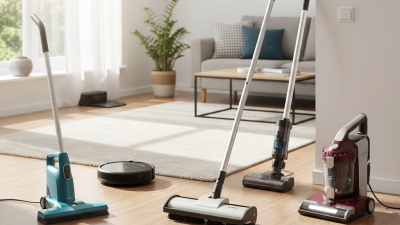
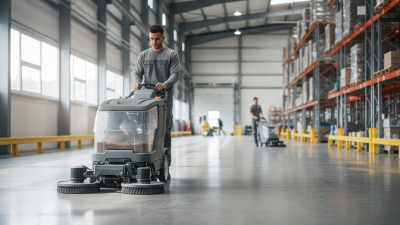
For global buyers, choosing the right Cordless Sweeper involves more than comparing prices or product photos. A compact machine may suit a hotel corridor, while a wider cleaning path can save time in a large showroom. Yet size alone tells little. Buyers should examine brush design, dust-bin capacity, runtime, noise information, and the surfaces each model is intended to clean. A tile floor and a low-pile carpet can produce very different results.
Details matter. Check the battery specifications and charging requirements for the destination market, then confirm what accessories and replacement parts are available. Ask suppliers for clear product documents, warranty terms, and realistic lead times. Where possible, request a sample and test it on the actual debris and flooring expected in daily use. A short demonstration is useful, but it cannot prove long-term durability. That part takes time.
This guide explores what “China best” should mean for international purchasing: dependable performance, consistent manufacturing information, practical support, and a fair match between features and budget. It also considers questions that are easy to overlook, such as shipping protection and spare-brush availability. No single sweeper suits every buyer. Some specifications may look impressive on paper, but still leave room for doubt. Comparing verified details—and asking direct follow-up questions—helps buyers make a more informed choice.
What a Cordless Sweeper Is and How It Works
China Best Cordless Sweeper for Global Buyers
What a Cordless Sweeper Is and How It Works
A cordless sweeper is a lightweight floor-cleaning tool powered by a rechargeable battery. Many models use a rotating brush to lift crumbs, hair, and other loose debris from hard floors or low-pile rugs. The brush directs debris into a collection tray or dust cup. Some designs add suction, while others rely mainly on brush action, so performance can differ.
A sweeper is not automatically a replacement for a vacuum cleaner. It may struggle with deep carpet, embedded grit, or very fine dust. Before choosing one, check the floor types it supports, the bin capacity, and the battery information supplied by the manufacturer. Runtime depends on factors such as battery condition and cleaning mode.
Tips: Test the sweeper on a small area first, especially on delicate flooring. Empty the bin when debris reaches its fill line, and remove tangled hair from the brush. Keep the charging contacts dry. Small details matter.
For global buyers, confirm that the charging input and included plug suit the destination market. Compare the stated operating time with the size of the rooms you clean, rather than relying on a single headline figure. A compact tray can fill quickly in a home with pets. I would also check how easily the brush and tray can be accessed; a tool that is awkward to clean may get used less often. Even good specifications cannot tell you everything about daily handling.
How to Compare Chinese Cordless Sweeper Models
How to Compare Chinese Cordless Sweeper Models
Compare performance under the same conditions, not just by headline specifications. A useful test includes fine dust, rice grains, and hair on both tile and low-pile carpet. Check whether the sweeper collects debris in one pass or pushes it toward the room’s edges. Small details matter.
Battery claims need context. Ask how long a model runs at its strongest setting, and how long a full charge takes. Runtime can change with floor type, brush resistance, and battery age. A light unit may feel easier to guide beneath a dining table, while a wider cleaning head may cover open floors faster. Neither advantage is universal. Compare dust-bin capacity, emptying ease, and whether replacement brushes or filters are available. Request clear product specifications and written warranty terms from the supplier. I have found battery performance easy to overlook when comparing prices; that deserves a closer check. Test the actual sample if possible. A showroom demo on clean flooring may not reflect daily use, especially around chair legs or a busy kitchen. Look for consistent results, practical servicing, and honest limits rather than the most impressive number.
Choosing a Sweeper for Different Floors and Markets
China Best Cordless Sweeper for Global Buyers
Choosing a Sweeper for Different Floors and Markets
Selecting a cordless sweeper for international buyers starts with the floor, not the feature list. Fine dust on tile calls for a close-fitting head and an easy-to-empty bin. On rugs, a brush that resists hair wrap can reduce daily maintenance. For mixed floors, check whether suction and brush speed adjust easily. Small details matter.
Market conditions can change the right choice. In humid homes, washable parts need clear drying instructions; damp filters may reduce airflow. In compact apartments, a light body and wall mount may matter more than a large battery. For bigger spaces, compare runtime at normal power, not only the maximum figure. Check charging compatibility and the local availability of replacement filters and brushes. A low purchase price is less useful when basic parts are difficult to find.
Tips: Test the sweeper on actual floor samples, including a rug edge and fine debris. Check the noise in a small room, empty the bin, and inspect the brush for trapped hair. Ask local users to repeat the test; one showroom pass can miss everyday annoyances. Even careful comparisons have limits, since floor finishes and cleaning habits vary within each market.
How to Assess Quality, Safety, and After-Sales Support
For global buyers, a cordless sweeper should feel dependable beyond a showroom demonstration. Check that the housing has even seams, the handle locks firmly, and the brush turns without scraping. Run it over crumbs and fine dust on both hard flooring and a low-pile rug. Listen for rattling, then inspect whether hair wraps tightly around the brush. Small flaws matter.
Safety deserves more than a printed claim. Ask for test reports and clear documentation for the battery, charger, and intended destination market. Look for overcharge and overheating protection, secure battery fitting, and readable operating instructions. Feel the charger after a normal charging cycle; unusual heat warrants a question, not a guess. A checklist helps, but it cannot reveal every weakness in long-term use.
After-sales support can determine whether a minor fault becomes a costly delay. Confirm warranty coverage in writing, including exclusions, claim steps, and who pays return shipping. Ask whether replacement brushes, filters, batteries, and chargers can be supplied, and for how long. Test the support channel with a practical question before ordering. Note response time. A polished reply is reassuring, though it is not proof of reliable service; that distinction is easy to overlook.
China Best Cordless Sweeper for Global Buyers: Assessing Quality, Safety & After-Sales Support
Suggested buyer-assigned evaluation weights, not market-survey results or product test scores. Check cleaning performance and runtime under consistent conditions; request applicable electrical and battery safety documentation for the destination market; and verify warranty coverage, spare-part availability, and service arrangements before purchase.