How to Choose the Best Sweeping Robot for Your Home?
Sweeping robots have transformed home cleaning, offering convenience and efficiency. These innovative devices can navigate through furniture and handle various floor types, making them a popular choice among busy households. However, choosing the best sweeping robot requires careful consideration of several factors.
When selecting a sweeping robot, think about your home’s layout, size, and cleaning needs. Some models excel on carpets, while others are better suited for hard floors. Battery life and dustbin capacity are crucial too. An insufficient battery might result in incomplete cleaning sessions.
User reviews can provide valuable insights into a robot’s performance. Pay attention to the reliability and effectiveness of the models you consider. Despite their technology, not all sweeping robots are equally dependable. Some may struggle with certain obstacles, leaving behind dirt and debris. Reflecting on these aspects will help you make a more informed choice.
Understanding the Basics of Sweeping Robots and Their Functionality
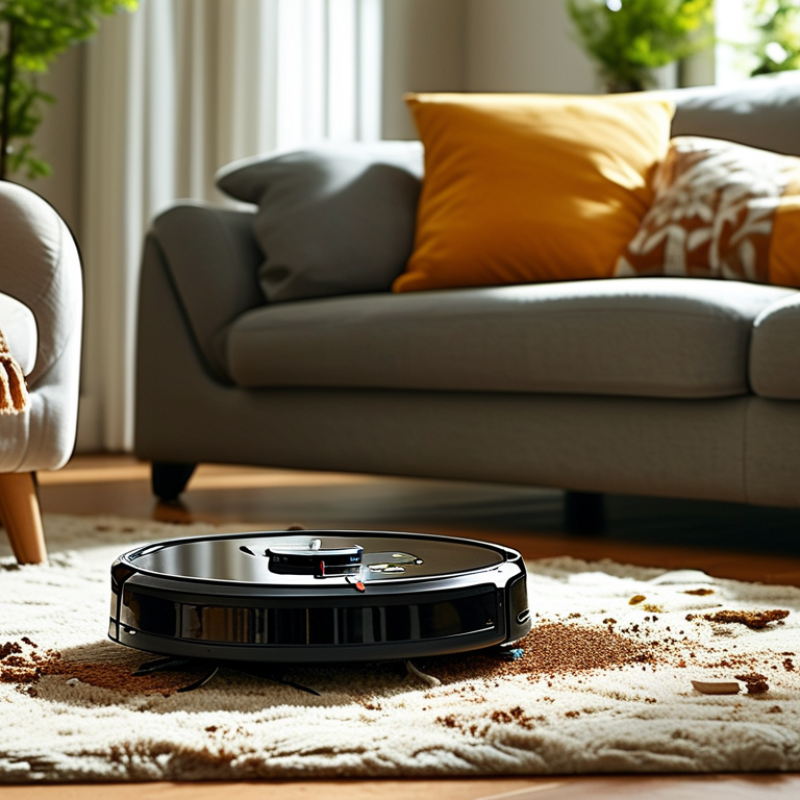
Sweeping robots have transformed household cleaning routines. Understanding their functionality is key to selecting the right model. These devices utilize advanced sensors and mapping technologies to navigate your home efficiently. According to a report by Consumer Robotics, over 30% of households now own a robotic vacuum, highlighting their growing popularity.
Most sweeping robots use a combination of brushes and suction mechanisms to capture dirt and debris. They can clean various surfaces, including carpets and hardwood floors. Data from the International Federation of Robotics indicates that the efficiency of these robots can result in a 50% reduction in cleaning time compared to traditional methods. However, users often report that they struggle with edges and corners.
User experience varies widely across different models. Some units can miss high-traffic areas or fail to handle larger debris effectively. While these robots offer a level of convenience, they are not a complete replacement for manual cleaning. According to feedback from users, many still recommend a thorough manual clean at least once a month. Understanding these aspects can help you make an informed decision on which sweeping robot fits your needs.
Identifying Key Features to Look for in a Sweeping Robot
When selecting a sweeping robot, consider its
suction power and brush system.
Strong suction is essential for effective debris pickup. A recent study showed that the average suction power in top robots ranges from
1500 to 2000 Pa. For homes with pets, look for models equipped with specific
pet hair brushes. These are designed to tackle stubborn fur that regular brushes struggle to collect.
Battery life is another crucial factor. Many robots operate for about
90 to 120 minutes per charge. Some models have a recharge and resume feature, which allows them to return to their base and continue cleaning after recharging.
This can be especially useful for larger homes. Keep in mind, however, that battery life can diminish over time, depending on usage and maintenance.
Smart features also enhance usability. Look for robots with smartphone apps that allow scheduling and monitoring.
According to industry surveys, 65% of users value connectivity options. However, not all apps perform well.
Some users report connectivity issues, which could lead to frustration. It's important to read user reviews and assess what features matter most to you.
Evaluating the Size and Layout of Your Home for Optimal Performance
When considering a sweeping robot, evaluating your home’s size and layout is crucial. A compact apartment requires different features compared to a spacious house. Consider the square footage of your space. Smaller homes might benefit from models with shorter battery lives, while larger areas need longer-lasting options. The robot should effectively navigate through tight corners and narrow hallways.
Floor types also impact performance. Hard floors and low-pile carpets are easier to clean than thick carpets. Assess whether the robot can handle your specific flooring. If your home has multiple levels, ensure the model can transition smoothly. Obstructions like furniture can hinder movement, so think about how your spaces are arranged.
Take note of potential challenges, too. Some robots struggle with stairs or uneven surfaces. If your layout includes these obstacles, pick a model that can adapt. If you're uncertain, read customer reviews. Recognize that no robot is perfect; you may need backup cleaning methods. A mixture of real-life use and technical specifications will help guide your decision.
How to Choose the Best Sweeping Robot for Your Home?
Budget Considerations: Choosing a Sweeping Robot that Fits Your Needs
When selecting a sweeping robot, budget plays a crucial role. Understanding your financial limitations helps narrow down options. High-end models boast advanced features but can be heavy on your wallet. Conversely, more affordable robots may lack certain functionalities. This is not inherently bad, as essential designs can still provide admirable cleaning performance.
Consider what features matter most to you. Do you need strong suction power or smart mapping? More expensive robots often deliver superior performance in these areas. Yet, if you're mainly focused on routine maintenance, basic models may suffice.
Keep in mind initial costs, but also long-term maintenance expenses. Some robots require replacement parts like filters and brushes more frequently. This could add to the overall cost. It’s wise to calculate these potential expenses. In the end, the ideal sweeping robot aligns with both your budget and cleaning needs. Finding balance can feel challenging, but reflection on your priorities will guide your decision.
Comparing Top Brands and Models in the Sweeping Robot Market
When choosing a sweeping robot, comparing top brands is essential. Each model brings unique features and strengths. Some manufacturers emphasize suction power, while others focus on battery life. This diversity can make the selection process daunting.
Tips: Look for models with strong navigation systems. Robots that can map your home tend to clean more efficiently. Also, consider noise levels, especially if you have pets or small children.
Features vary widely. Some robots provide smart home integration. Others might offer simple controls, which can be easier for less tech-savvy users. Reflect on what suits your lifestyle best.
Tips: Think about maintenance requirements. Some robots have easy-to-empty dustbins, while others might need filter replacements more often. Weighing the convenience of upkeep can help narrow your options.