How to Choose the Best Winter Warmer for Your Needs?
As winter approaches, staying warm becomes a top priority for many. Choosing the best Winter Warmer is essential for comfort. With various options available, it can be overwhelming. You might wonder which type is right for your space or lifestyle.
Different Winter Warmers serve distinct needs. Some are portable, while others offer powerful heating for larger areas. Each option has its pros and cons. For instance, electric blankets provide cozy warmth but may not suit all users. Consider your budget and specific heating needs before making a decision.
Research is key. Reliable reviews and expert opinions can guide your choice. Don’t just rely on advertisements; they can be misleading. Look for products that match your requirements and have garnered positive feedback. A thoughtful selection can enhance your winter experience significantly, making those cold days much more bearable.
Understanding Different Types of Winter Warmers Available on the Market
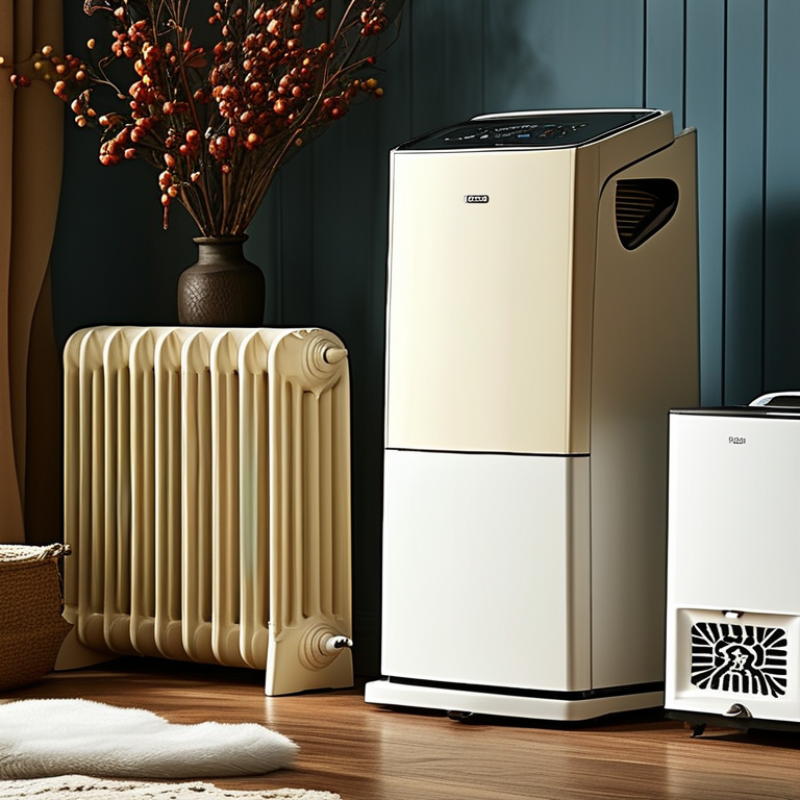
When selecting a winter warmer, it’s crucial to understand the various types available. These range from electric heaters to traditional wood-burning stoves. Each type has unique benefits and drawbacks. For example, electric heaters are often easy to use and portable. However, they can raise energy bills significantly during harsh winters.
A report by the U.S. Department of Energy highlights that heating contributes to nearly 42% of energy use in homes. Gas heaters typically perform better in terms of efficiency, providing more heat for less energy. However, they require proper ventilation and safety considerations. In contrast, wood stoves offer a nostalgic charm and can be cost-effective if you have access to free or low-cost wood. Yet, they also necessitate regular maintenance and proper installation to avoid smoke emissions.
Furthermore, there are newer options, like infrared heaters, that heat objects rather than air. This technology can be more efficient in certain settings. However, it’s not always the best choice for larger spaces. Understanding your needs and the specific characteristics of each type will guide you toward the best decision. Each option has its own complexities, requiring careful thought and evaluation.
Evaluating Heating Efficiency and Energy Consumption of Winter Warmers
Choosing a winter warmer involves assessing its heating efficiency and energy consumption. It's essential to understand how these factors affect your comfort and wallet. More efficient models often heat up a space faster. They can also maintain temperatures without excessive energy use.
When evaluating heating efficiency, look at the warmth output relative to energy input. Some heaters can provide significant heat while consuming less power. Others may lead to high energy bills due to poor efficiency. Check the unit's energy rating. Higher ratings usually mean better efficiency, but also consider the space size and insulation.
Energy consumption impacts both the environment and your finances. Using a heater that consumes more energy can lead to unsustainable practices. Reflect on how often and where you plan to use your winter warmer. This will help you choose a model tailored to your specific needs. Remember, finding the right balance between comfort and cost is crucial for a winter warmer.
Winter Warmer Efficiency Comparison
This chart displays the heating efficiency and energy consumption of various winter warmers. It helps consumers assess the best options based on effectiveness and energy costs.
Assessing Safety Features and Certifications in Winter Heating Appliances
When choosing a winter warmer, safety features are crucial. Look for appliances with overheat protection. This prevents devices from becoming too hot and causing fires. A tip: check if the heater has an automatic shut-off feature. This adds another layer of safety.
Certifications matter as well. Look for products that meet national safety standards. These certifications confirm that the appliance has undergone testing. Devices that are UL-listed or have similar certifications are more likely to be reliable. It is essential to verify the legitimacy of these certifications to avoid hazards.
Despite their benefits, not all heaters are perfect. Some may lack adequate safety features. Users should always read reviews and feedback. It’s wise to consider the experiences of others. Ignoring these factors could lead to unsafe situations. Taking the time to assess safety can save lives.
Comparing Sizes and Portability Options for Your Winter Warmer Needs
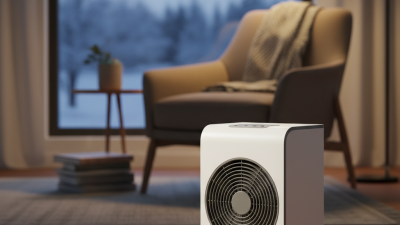
When selecting a winter warmer, size and portability are crucial factors. A larger unit may offer more heat but could be cumbersome to move. If you frequently change locations, consider smaller, lightweight models. For example, a compact design fits well in a car or apartment. This flexibility ensures warmth wherever needed.
Portability means more than just size. Some units have wheels or carry handles, enhancing mobility. Check the weight; even a few pounds can make a difference when moving. Consider your own strength and comfort level. A unit that feels too heavy can lead to frustration.
Don't overlook storage. A bulky warmer can become an eyesore in smaller homes. Assess your available space before purchasing. Think about how often you'll use it. Sometimes, a more portable option fits better into your lifestyle. Reflect on practical needs and preferences. Keep in mind that the perfect unit varies for everyone.
Budget Considerations: Finding the Right Winter Warmer within Your Price Range
When searching for a winter warmer, budget should be a primary focus. It’s essential to determine how much you can realistically afford. Prices can vary dramatically based on features, brand reputation, and efficiency ratings. Set a budget that captures both your financial limits and your heating needs. This will help narrow your options.
Consider the features that matter most to you. For example, some warmers have programmable timers, while others offer different heat settings. Expensive models might claim to be energy-efficient, but will they save you enough in heating bills? Reflect on which features will genuinely benefit you instead of adding unnecessary costs.
Look for reviews and testimonials from various users. They can provide insights into performance and durability. Examine both positive and negative feedback. A product might seem great on the surface but fall short in real-world use. Transparency in customer experiences can help you make an informed choice. Keep an eye out for sales or discounts, but don't sacrifice quality for a lower price. Balancing your budget with reliable options is crucial for a cozy winter.