Top 10 Essential Tips for Choosing the Best Floor Sweeper for Your Needs
In the fast-paced world of commercial cleaning, selecting the right tools can make all the difference in maintaining cleanliness and efficiency. Among these tools, the Floor Sweeper stands out as an essential piece of equipment that enhances productivity across various environments, from large industrial spaces to small retail stores. According to a recent report by the International Cleaning Industry Association, the global market for floor cleaning equipment is projected to reach $14.5 billion by 2026, highlighting the increasing reliance on advanced cleaning solutions.
As organizations strive to optimize their operations, understanding the nuances of different floor sweepers becomes critical. Features such as vacuum capabilities, battery life, and maneuverability can significantly impact cleaning performance and employee satisfaction. Furthermore, with 30% of cleaning costs attributed to labor, the right floor sweeper not only reduces expenses but also enhances cleaning efficiency, allowing staff to focus on other critical tasks.
In light of these factors, this guide aims to provide you with the top ten essential tips for choosing the best floor sweeper tailored to your specific needs. By making informed decisions, businesses can ensure a cleaner, healthier environment while maximizing their investment in cleaning equipment.

Factors to Consider When Selecting a Floor Sweeper
When selecting a floor sweeper, there are several essential factors to consider to ensure it meets your specific needs. First and foremost, the type of flooring in your space plays a crucial role. Different sweepers are designed for various surfaces, such as carpet, hardwood, or tile, and it is important to choose one that effectively cleans the specific flooring type you have. Additionally, consider the size of the area you need to clean; larger spaces may benefit from a heavier-duty model, while smaller areas might be best served by a lighter, more maneuverable unit.
Another vital factor to evaluate is the sweeper’s capacity and the ease of emptying its collection bin. A larger bin means less frequent emptying, which can be a significant time saver in busy environments. Moreover, examine the battery life if you’re opting for a cordless model, as prolonged battery operation is essential for uninterrupted cleaning. Lastly, noise levels can be important, especially in residential or quiet commercial settings. Selecting a sweeper with a lower noise rating can help maintain a peaceful environment while effectively tackling dirt and debris.
Top 10 Essential Tips for Choosing the Best Floor Sweeper for Your Needs
| Tip Number |
Tip |
Considerations |
| 1 |
Determine Floor Type |
Choose a sweeper suitable for hard or soft floors |
| 2 |
Evaluate Size and Weight |
Consider ease of maneuverability and storage |
| 3 |
Check Power Source |
Decide between battery, electric, or manual options |
| 4 |
Assess Dust Capacity |
Larger capacity holds more dirt, reducing disposal frequency |
| 5 |
Review Filter Type |
Look for HEPA filters for improved air quality in households |
| 6 |
Inspect Sweeping Mechanism |
Rotating brushes or squeegee styles differ in efficacy |
| 7 |
Consider Noise Level |
Quieter models are ideal for noise-sensitive areas |
| 8 |
Examine Maintenance Needs |
Assess how often filters and brushes need replacement |
| 9 |
Look at Warranty and Support |
Longer warranties indicate confidence in the product |
| 10 |
Read Customer Reviews |
Insights from users can highlight real-world performance |
Types of Floor Sweepers and Their Specific Uses
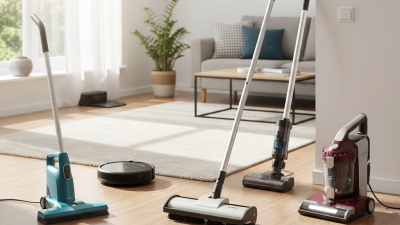
When choosing the best floor sweeper for your needs, it's essential to understand the different types available and their specific applications.
Floor sweepers can be classified into three main categories:
manual, battery-operated, and ride-on sweepers. Manual sweepers are perfect for smaller spaces and light debris.
They are eco-friendly and require no electricity, making them an economical choice. Battery-operated sweepers, on the other hand, are suitable for medium to large areas,
offering a balance between efficiency and ease of use. According to a recent industry report by IBISWorld,
the demand for battery-operated sweepers has increased by 23% over the past five years,
highlighting their growing popularity among commercial establishments.
For larger industrial environments, ride-on sweepers excel in their ability to cover vast areas swiftly while minimizing operator fatigue.
These machines can often accommodate various attachments for specialized cleaning tasks, making them versatile for different indoor and outdoor settings.
Research by Grand View Research indicates that the global market for ride-on sweepers is projected to grow by 5.1% annually from 2022 to 2030,
driven by increased automation and efficiency demands in facility management.
When selecting a floor sweeper, consider the size of the area you need to clean and the type of debris typically encountered.
Additionally, evaluate features such as dust containment systems and filtration capabilities, as these can significantly impact air quality during operation.
Prioritize your cleaning needs and the specific environments to ensure optimal performance and effectiveness with your chosen floor sweeper.
Understanding Your Cleaning Surface and Its Requirements
When selecting the best floor sweeper, understanding your cleaning surface is paramount. Different surfaces, whether they are hard floors, carpets, or outdoor areas, have unique cleaning requirements that influence the type of sweeper you should choose. For instance, hard surfaces like tiles and hardwood typically require sweepers that can handle dust and debris effectively without causing scratches. In contrast, carpeted areas demand brush systems that can agitate the fibers and lift embedded dirt.
Additionally, the specific environment where the sweeper will be used plays a crucial role in the decision-making process. For instance, industrial spaces may necessitate heavy-duty models designed to withstand rigorous use and larger debris, whereas a residential setting may only need a lightweight, compact option for everyday cleaning. Factors such as the frequency of cleaning, the types of materials commonly found on the floor, and the size of the area are essential considerations that should guide your choice. By prioritizing these aspects, you can select a floor sweeper that meets your needs effectively and ensures optimal cleaning results.
Evaluating Key Features for Efficiency and Convenience
When choosing a floor sweeper, evaluating key features for efficiency and convenience is crucial. One of the first aspects to consider is the type of flooring in your space. Some sweepers are designed specifically for hard surfaces, while others work well on carpets. Ensure that the model you select can accommodate the surfaces you'll be cleaning most frequently.
Another important feature to keep in mind is the sweeper's capacity and dust collection system. A larger dustbin will require less frequent emptying, which can enhance your cleaning efficiency, especially in larger areas. Additionally, look for models that offer easy-to-clean filters and bins, as maintenance plays a significant role in the longevity and performance of your equipment.
Don't overlook the importance of maneuverability and weight. A lightweight, agile sweeper will make it easier to cover more ground without straining yourself. Many modern sweepers come equipped with features such as rotating brushes and adjustable heights, allowing for effective cleaning across different surfaces. By considering these key features, you'll ensure that your choice aligns perfectly with your cleaning needs.
Top 10 Essential Tips for Choosing the Best Floor Sweeper
This chart illustrates the importance of key features to consider when choosing the best floor sweeper. Each feature is rated on a scale from 1 to 10, highlighting their significance for efficiency and convenience in daily cleaning tasks.
Budgeting: Finding the Right Floor Sweeper within Your Price Range
When it comes to finding the right floor sweeper, budgeting is a critical aspect that can significantly impact your choice. Understanding your budget helps narrow down your options, ensuring that you find a sweeper that effectively meets your needs without breaking the bank. Start by evaluating how much you are willing to spend while considering additional costs such as maintenance, replacement parts, or accessories that may be needed down the line. This comprehensive approach will assist you in making a more informed decision, ensuring that your investment is both practical and efficient.
Once you have established a clear budget, research various floor sweepers within your price range. Pay attention to their features, performance capabilities, and the types of environments they are designed for. It's essential to compare different models to see which ones offer the best value for money. Additionally, consider looking for user reviews or testimonials, as these can provide insight into the reliability and effectiveness of various sweepers within your budget. By doing thorough research and keeping your financial limitations in mind, you can confidently select a floor sweeper that aligns with your specific cleaning needs and financial situation.