What is a Fan Heater and How Does It Work?
Fan heaters have gained popularity as efficient household heating solutions. According to the latest industry report by the Global Heating Appliance Association, the fan heater market is projected to grow at a CAGR of 5.2% from 2023 to 2030. This growth reflects an increased consumer demand for portable and energy-efficient heating devices. Industry expert Dr. Susan Lewis, a leading figure in climate technology, notes, "Fan heaters have transformed how we think about quick and effective home heating."
These devices work by pulling in cool air and rapidly warming it before circulating it throughout the room. They are compact and user-friendly, making them ideal for various living spaces. However, the efficiency of fan heaters often raises questions. While they provide instant warmth, the long-term energy costs can fluctuate widely based on usage. This paradox highlights the need for critical evaluation when choosing a heating solution.
In the competitive market, consumers must also consider brand reliability and features. Some fan heaters offer advanced thermostatic controls or safety features, which can influence their utility. Overall, understanding the nuances of fan heater technology can make a significant difference in user satisfaction and energy expenditure.
What is a Fan Heater?
A fan heater is a popular home appliance used for heating spaces quickly. It works by drawing in cool air through a fan and passing it over a heated element. This process warms the air, which is then blown back into the room. The design is straightforward, making it easy to use and effective for small areas.
While most fan heaters can heat up a room in minutes, they have limitations. Some might notice uneven heating or excessive noise. The fan's operation can be disruptive, especially in a quiet environment. Additionally, not all fan heaters are energy-efficient, leading to potentially higher electricity bills. Users should consider these drawbacks before relying on them for extended heating.
Understanding how a fan heater operates helps consumers make informed decisions. Knowing its strengths and weaknesses can guide you to use it more effectively. Regular maintenance, like cleaning the filter, can enhance performance. Why settle for mediocre warmth when you can optimize your heating solution?
The Basic Components of a Fan Heater
A fan heater is a popular device for quick heating. Understanding its basic components is essential for efficient usage. The main parts include a fan, heating element, and casing. The fan draws in cooler air and circulates it over the heating element. This process warms the air before blowing it back into the room.
The heating element is typically made of metal, often coil-shaped. It converts electrical energy into heat. This conversion can be inefficient depending on the design. Some models heat up quickly, while others take longer. The casing holds everything together, ensuring safety during operation. It also influences airflow and aesthetic appeal.
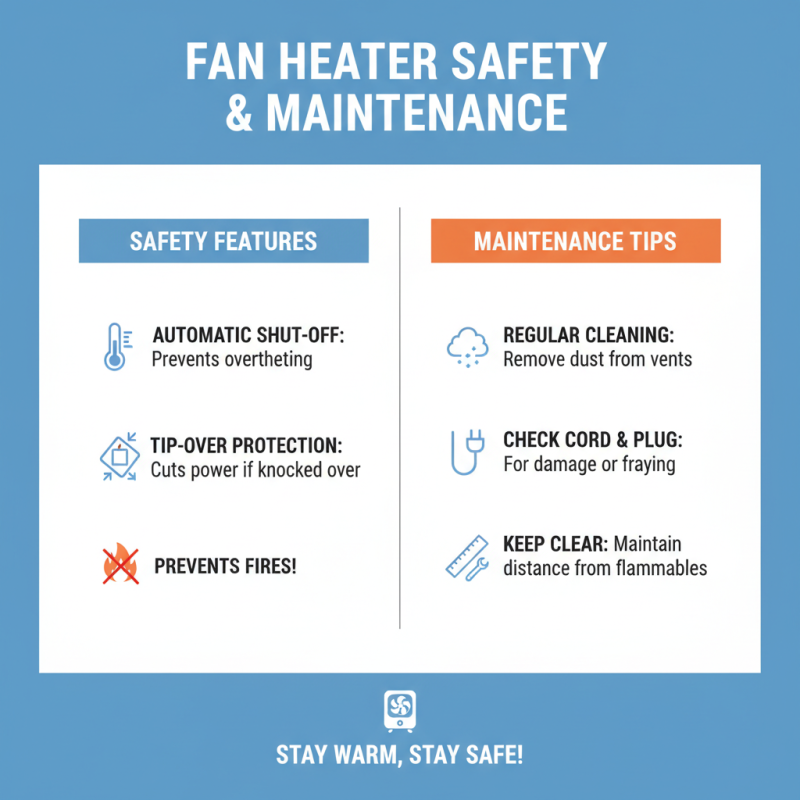
While fan heaters are effective, improper use can lead to issues. They should never be left unattended or placed near flammable materials. Regular cleaning of filters is important, yet often overlooked. Dust buildup can reduce efficiency and pose a fire risk. Regular maintenance can enhance performance and prolong the device's life. Consider these factors to get the most out of your fan heater.
How Does a Fan Heater Generate Heat?
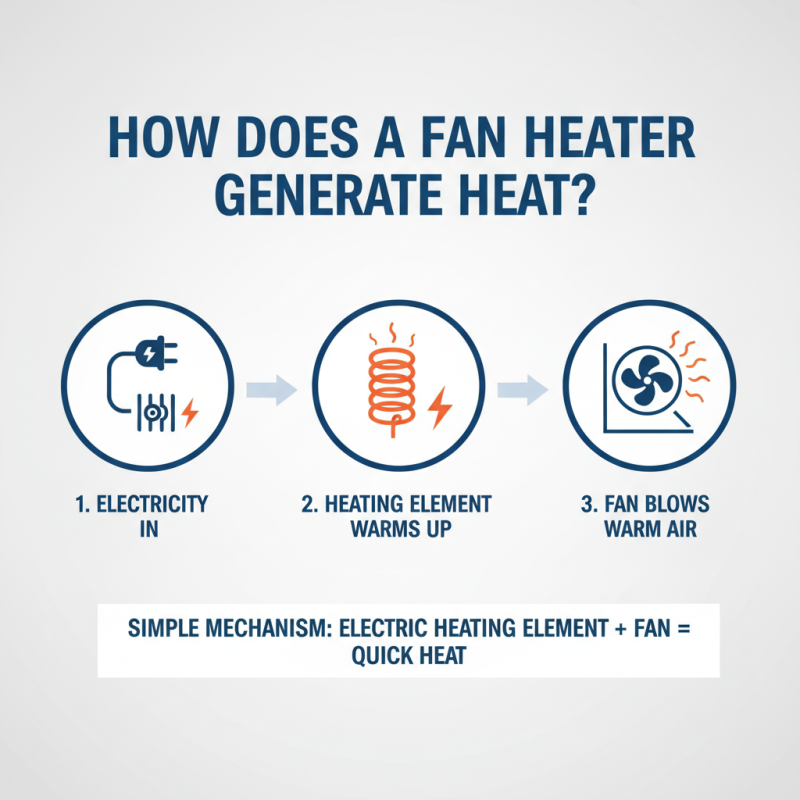
A fan heater is a popular heating device that uses a fan to distribute warm air. The mechanism is quite simple. An electric heating element inside the heater warms up when electricity passes through it. The attached fan then blows air over this heated element, dispersing warm air into the room. The immediate result is a quick and efficient heating experience.
This type of heater often includes features like adjustable thermostats and timers, enhancing user control. According to recent industry reports, fan heaters can warm a small room quickly, often reaching ideal temperatures in less than 15 minutes. However, they might not be as energy-efficient as other heating options for larger spaces. Always consider the size of the room when choosing a heater.
Tips for effective use: Position the fan heater in a central location for better air circulation. Keep it away from flammable materials. Regularly clean the dust from the vents to maintain efficiency. These steps not only help ensure safety but also optimize heating performance, extending the lifespan of the heater. Remember, what works in one space may not be ideal in another, and personal comfort levels can vary significantly.
The Mechanism of Air Circulation in Fan Heaters
Fan heaters are popular for their efficient heating capabilities. They work by utilizing a fan to circulate warm air throughout a room. This process begins with the heater drawing in cooler air. The air passes over a heating element, which warms it significantly. The fan then pushes the heated air back into the environment, creating a comfortable atmosphere.
The air circulation mechanism is vital for performance. According to a study by the Energy Efficiency Agency, fan heaters can increase room temperature by up to 20 degrees Fahrenheit in a short span. This quick response time is crucial for immediate comfort, especially during cold seasons. However, the oscillation of fan settings can affect efficiency. Some users may notice uneven heating, as more air may be pushed to certain areas, leaving others cooler.
To maximize effectiveness, proper placement of the heater is important. Experiments show that positioning the heater near cold drafts can enhance its performance. Yet, many may overlook this aspect, leading to a potential waste of energy. Users should also consider the noise level; not all fan heaters operate quietly, which can be a distraction. Regular maintenance can help maintain optimal functionality, but it is often neglected, leading to reduced efficiency.
What is a Fan Heater and How Does It Work? - The Mechanism of Air Circulation in Fan Heaters
| Feature |
Description |
| Heating Element |
Converts electrical energy into heat, usually using coils or ceramic materials. |
| Fan Mechanism |
Propels the heated air into the room, enhancing warmth and comfort. |
| Air Circulation |
Creates a consistent flow of warm air, preventing hot or cold spots in the room. |
| Thermostat Control |
Automatically regulates the temperature by turning the heater on/off as needed. |
| Safety Features |
Includes overheat protection and tip-over shut off for enhanced user safety. |