What is a Fan Heater and How Does It Work for Efficient Home Heating
In the quest for efficient home heating solutions, the fan heater stands out as an innovative and effective option. According to the U.S. Department of Energy, residential heating accounts for approximately 42% of the average household's energy consumption, highlighting the need for more efficient and cost-effective heating methods. Fan heaters, also known as forced air heaters, utilize a fan to distribute warm air throughout a room, providing immediate comfort and effective temperature control. These devices are particularly beneficial in smaller spaces, where they can quickly elevate the ambient temperature, making them an essential tool in many homes during colder months.
Recent studies indicate that fan heaters can provide significant energy savings compared to traditional heating methods. For example, by using a fan heater in specific zones, households can reduce the need to heat entire spaces, thus optimizing energy usage and minimizing costs. The efficiency of fan heaters has been supported by various reports, which suggest that when used strategically, they can help families lower their heating bills significantly while still maintaining a comfortable living environment. As homeowners continue to seek eco-friendly and economic solutions, the role of fan heaters in modern heating strategies becomes increasingly critical in achieving both comfort and sustainability.
What is a Fan Heater? Definition and Overview
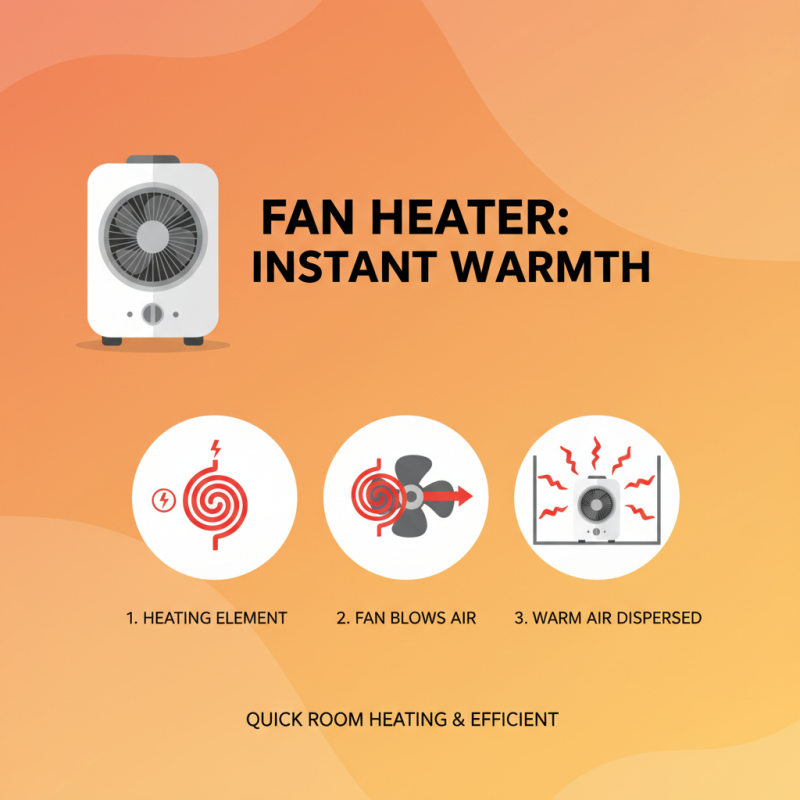
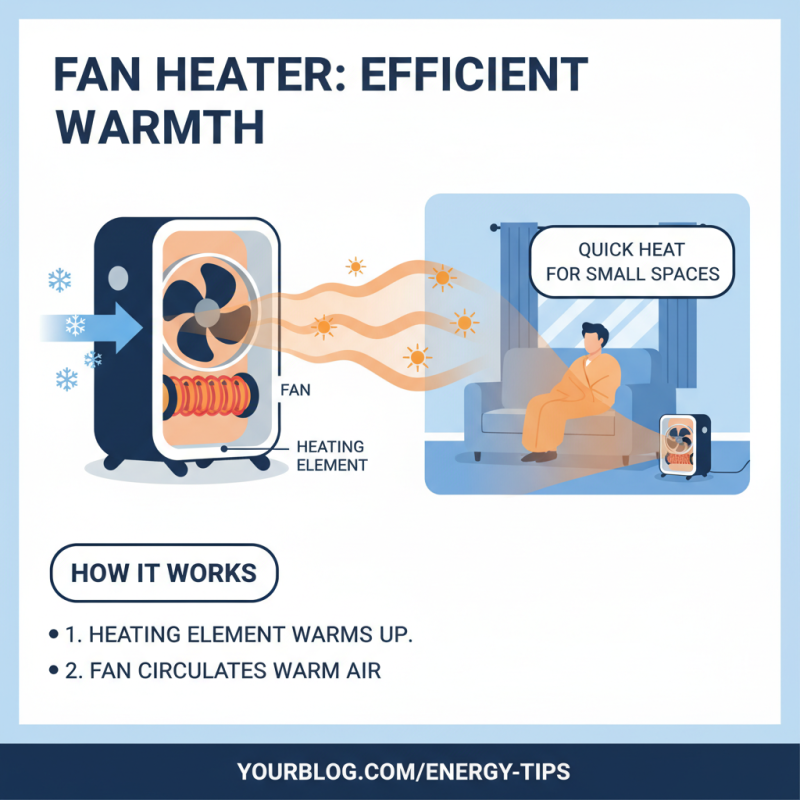
A fan heater is a compact heating device designed to circulate warm air effectively throughout a space. It consists of a heating element, usually made from high-resistance wire, which heats up when electricity passes through it. A built-in fan then blows air over this heated element, allowing the warm air to disperse quickly into the environment. This makes fan heaters an efficient option for providing immediate warmth to rooms that may require quick temperature adjustments.
Fan heaters are versatile and can be used in various settings, from residential areas to workplaces. They are particularly popular for supplemental heating in smaller spaces, as they can quickly elevate the room temperature without the need for central heating systems. With features such as adjustable thermostats and multiple heat settings, fan heaters can be tailored to specific comfort levels and energy efficiency needs. Their portability also allows users to move them easily from one room to another, making them a practical choice for both temporary and permanent heating solutions.
Basic Components of a Fan Heater and Their Functions
A fan heater, commonly used for efficient home heating, consists of several basic components that work together to produce warm air. The primary component is the heating element, which can be made from materials such as metal or ceramic. When electricity flows through the heating element, it generates heat. The temperature can be adjusted, allowing users to control the warmth of the airflow to suit their comfort levels.
Another crucial component is the fan itself, which is responsible for circulating the heated air throughout the room. The fan draws cool air from the environment, pushes it over the heated element, and then blows the warm air back into the space. This continuous cycle not only ensures rapid heating but also helps maintain a consistent temperature in the room. Additionally, many fan heaters are equipped with safety features such as overheat protection and tip-over switches, which enhance user safety while ensuring efficient performance.
Energy Consumption of Different Home Heating Options
This chart illustrates the energy consumption of various home heating options measured in kilowatt-hours per month. As shown, fan heaters are relatively efficient compared to some other heating solutions, but it is essential to consider various factors, including heating capacity and usage patterns, when making a heating choice for your home.
How Fan Heaters Generate and Distribute Heat Effectively
Fan heaters are efficient heating devices that utilize a simple yet effective mechanism to generate and distribute heat. At their core, these heaters consist of a heating element, typically a coil or ceramic plate, which heats up when powered on. As the element warms, a built-in fan circulates air across it, quickly converting surrounding cool air into warm, comfortable air. This process allows for rapid heating of a room, making fan heaters particularly useful in smaller spaces or during cold weather conditions.
The distribution of heat by a fan heater is one of its standout features. Unlike traditional convection heaters that rely on natural air currents, fan heaters actively push warm air into the living space. This ensures even heat distribution throughout the room, eliminating cold spots and providing a more consistent temperature. Additionally, many fan heaters are designed with adjustable fan speeds and heating settings, allowing users to customize their experience based on their immediate needs. This combination of efficient heat generation and effective air circulation makes fan heaters a popular choice for quick and reliable home heating solutions.
Benefits of Using Fan Heaters for Home Heating
Fan heaters offer several advantages for efficient home heating, making them a popular choice for many households. One of the primary benefits is their ability to provide rapid warmth in a focused area. The fan inside the heater distributes hot air quickly, which is especially helpful during colder months when instant heating is desired. This feature makes fan heaters ideal for small to medium-sized rooms where efficient heating is essential.
Another significant advantage of fan heaters is their portability. Many models are lightweight and designed for easy transportation, allowing users to move them from room to room as needed. This flexibility means that homeowners can enjoy targeted heating in various spaces, whether it’s the living room, bedroom, or home office. Additionally, fan heaters generally come with adjustable settings, enabling users to customize heating levels based on their preferences and the specific conditions of their environment. This adaptability not only enhances comfort but also contributes to energy efficiency, as users can avoid heating unoccupied spaces.
Safety Features and Maintenance Tips for Fan Heaters
Fan heaters are popular heating solutions for home environments due to their efficient and rapid heating capabilities. However, understanding the safety features integrated into fan heaters and the maintenance required to ensure their safe operation is essential for home safety. Many modern fan heaters come equipped with safety features such as overheat protection, which automatically shuts off the unit if it becomes too hot. Additionally, tip-over switches can prevent accidents by shutting down the heater if it is knocked over, significantly reducing fire hazards.
Maintenance of fan heaters is crucial to prolonging their lifespan and ensuring optimal performance. According to industry reports, regular cleaning and inspection can enhance efficiency by up to 30%. Homeowners should ensure that the heater is free from dust and debris, as clogged vents can lead to overheating and reduced air circulation. Furthermore, checking the power cord for any signs of wear or damage is critical; frayed cords pose a significant fire risk. By adhering to safety guidelines and performing regular maintenance, homeowners can enjoy the benefits of fan heaters while minimizing risks associated with their operation.
What is a Fan Heater and How Does It Work for Efficient Home Heating - Safety Features and Maintenance Tips for Fan Heaters
| Feature |
Description |
| Heating Method |
Uses a fan to distribute heated air across the room efficiently. |
| Power Sources |
Electricity is the most common power source for fan heaters. |
| Safety Features |
Includes overheat protection, tip-over switch, and cool-touch housing. |
| Energy Efficiency |
Can provide localized heating, potentially reducing overall energy consumption. |
| Regular Maintenance Tips |
Clean the filters and vents regularly, and inspect for any damage. |
| Ideal Use Cases |
Best for small to medium-sized rooms and for spot heating in larger spaces. |
| Noise Level |
Generally operates with moderate noise, which can vary by model. |