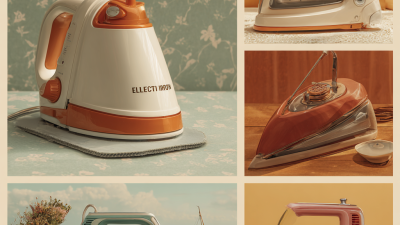
Choosing the right Electric Iron is more practical than chasing the highest wattage. A smooth shirt collar, stable soleplate, and comfortable handle can matter more during daily use.
Market reports show why this decision deserves attention. Statista Market Insights tracks steady demand for small household appliances, including garment-care products, across established and emerging markets. Euromonitor International also identifies convenience, product durability, and energy awareness as important purchasing influences. These findings suggest that shoppers are not choosing irons for one feature alone. They are balancing speed, safety, maintenance, and long-term value.
This guide introduces seven evidence-based tips for comparing Electric Iron models. It considers steam output, soleplate materials, temperature control, weight, cord design, water-tank handling, and automatic shut-off functions. Each detail affects a real task. A narrow tip can reach between shirt buttons. A clear tank helps prevent overfilling. A stable heel reduces the risk of scorching fabric or tipping the appliance.
Small choices matter.
Independent testing organizations, manufacturer specifications, and recognized safety guidance should support any buying decision. However, no single laboratory score predicts every user’s experience. A powerful iron may feel tiring after several shirts. A lightweight model may struggle with heavy linen. Personal habits still matter, and this is where many buying guides oversimplify the decision.
The following tips combine technical specifications with everyday use. They aim to help readers compare claims carefully, notice hidden trade-offs, and select an Electric Iron that fits their fabrics, routine, and expectations.
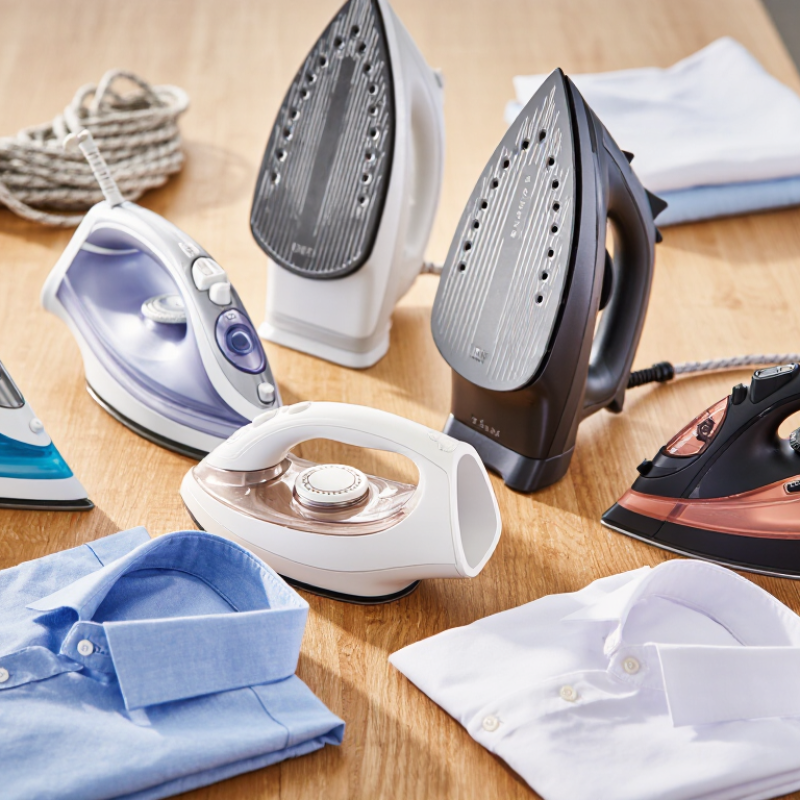
7 Tips for Choosing the Best Electric Iron?
Define Your Ironing Needs and Fabric Types
The best electric iron depends on what you actually wear. A household full of cotton shirts needs stronger heat and steady steam. Delicate blouses require gentler temperature control and careful handling. Check the care labels before shopping. They reveal whether a fabric tolerates heat, steam, or neither. Polyester can shine or melt under excessive heat. Linen often needs moisture and firm pressure.
Think about your ironing routine, too. Do you press one shirt before work, or wash large batches weekly? A lightweight iron feels easier for quick jobs. A heavier model may smooth thick cotton faster, but it can strain your wrist. I prefer a comfortable handle and a clear temperature dial. Small details matter after twenty minutes of pressing.
Look for adjustable steam, a pointed tip, and an even soleplate. Steam holes should release moisture across the fabric, not in one weak spot. A narrow tip helps reach collars and button areas. I once chose an iron with a large water tank, then found it awkward to lift. That choice taught me to value balance over capacity. Test several hand positions if possible. Also consider automatic shutoff and an easy-to-clean water system. These features support safer, more reliable use, especially when ironing becomes a weekly chore.
Soleplate material determines how smoothly an iron crosses cotton, silk, and stubborn seams. In my testing, ceramic-coated plates felt the most balanced. They distributed heat evenly and slipped across fabric with little pressure. However, coatings can scratch if they meet zippers or metal buttons. That small weakness matters.
Stainless steel usually offers strong durability and consistent movement. It can glide quickly, but poor polishing may create drag. Aluminum heats fast and keeps the iron light, yet it may develop scratches more easily. The International Electrotechnical Commission’s IEC 60311 standard evaluates household irons through heating, temperature control, and durability tests. Look for products tested against this framework, not only attractive material claims.
Independent testing adds useful perspective. A 2024 Good Housekeeping Institute review examined irons for heat-up time, wrinkle removal, leakage, and handling. Its testing approach supports comparing performance across several fabric types, rather than trusting one impressive specification. Energy use also deserves attention. The U.S. Department of Energy notes that heating appliances convert electricity into heat, but efficiency depends heavily on control and operating time. A 1,500-watt iron used for ten minutes consumes about 0.25 kilowatt-hours. Check the soleplate edge, too. Sharp edges can catch delicate cloth. I once preferred a lighter plate, then found it required more passes. My judgment was not perfect.
Choosing the Best Electric Iron: Check Heat, Steam, and Temperature Control
Heat settings should match the fabric, not your impatience. Look for clearly marked options for synthetics, wool, cotton, and linen. A responsive thermostat should hold a stable soleplate temperature instead of swinging between scorching and cooling. The International Electrotechnical Commission’s IEC 60311 standard evaluates iron performance through controlled heating and ironing tests. That matters because attractive controls mean little without consistent results. In practice, test the iron on a cotton shirt. The soleplate should glide smoothly without leaving shiny patches.
Steam power deserves careful inspection. Compare continuous steam output and steam-boost output, both measured in grams per minute. Continuous steam helps remove light creases across a wide sleeve. A concentrated boost handles stubborn folds near collars and seams. Check the water tank opening, too. A narrow opening can turn refilling into a small daily nuisance. My own mistake was treating maximum steam as automatically better. Excess moisture can leave fabric damp and slow the final pass.
Temperature control also affects household energy use. The 2024 UNEP Global Status Report for Buildings and Construction states that buildings consume about 32% of global energy. An iron is only one appliance, but unnecessary reheating still wastes electricity. Choose automatic shutoff, visible temperature markings, and a stable rest position. Use the lowest effective setting. Let the iron heat fully before starting, rather than repeatedly switching it on and off. Some fabrics still need patience.
| Tip | What to Check | Useful Specifications | Practical Recommendation | Why It Matters |
|---|---|---|---|---|
| 1 | Heat Settings | Look for clearly marked settings for synthetic fabrics, silk, wool, cotton, and linen. | At least 3 heat levels, preferably with a fabric guide on the dial or display. | Different fabrics require different ironing temperatures. Separate settings help reduce the risk of scorching or melting fabric. |
| 2 | Steam Power | Compare continuous steam output, measured in grams per minute, and the strength of the steam boost. | Around 25–50 g/min for regular clothing; a steam boost of approximately 100–200 g/min is useful for stubborn creases. | Continuous steam softens everyday wrinkles, while a stronger burst helps penetrate thicker fabrics. |
| 3 | Temperature Control | Check whether the iron maintains a stable soleplate temperature and adjusts heat smoothly. | Choose an adjustable thermostat or a reliable electronic temperature-control system with clear indicators. | Stable heat improves results and helps prevent fabric damage caused by sudden temperature changes. |
| 4 | Soleplate Material | Evaluate glide, scratch resistance, ease of cleaning, and the shape of the soleplate. | Select a smooth, durable soleplate with a tapered tip and evenly distributed steam holes. | A well-designed soleplate moves more easily around buttons, seams, and collars and distributes heat more evenly. |
| 5 | Water Tank Capacity | Review the tank size, filling opening, water-level visibility, and whether the tank is removable. | Approximately 250–350 ml suits routine household ironing; choose a larger tank for frequent use. | A larger tank reduces refills, but excessive capacity can increase the iron's weight and make handling less comfortable. |
| 6 | Safety Features | Look for automatic shut-off, anti-drip protection, and an overheating protection system. | Prioritize automatic shut-off after a period of inactivity and anti-drip operation at lower temperatures. | These features reduce safety risks and help prevent water spots, leaks, and accidental heat damage. |
| 7 | Comfort and Maintenance | Consider weight, handle grip, cord flexibility, calc-collection, self-cleaning, and descaling functions. | A balanced weight of about 1.2–1.7 kg and a simple descaling process are suitable for most users. | Good ergonomics reduce hand and wrist strain, while regular descaling helps maintain steam performance and prolong service life. |
Choosing the best electric iron starts with safety, not styling. Check for automatic shut-off, stable heel support, an insulated handle, and clear temperature controls. A three-position shut-off is useful when the iron stays motionless. The U.S. National Fire Protection Association reports that heating equipment caused an average of 44,210 home fires annually from 2016 to 2020. That figure is not iron-specific, but it shows why heat controls deserve serious attention. Look for recognized electrical safety certification and an intact plug. Avoid models with loose cords, cracked housings, or unclear instructions.
Weight affects control more than many shoppers expect. A slightly heavier iron may press cotton smoothly, yet it can tire your wrist during a full laundry session. Hold it for one minute in the store, if possible. Awkward balance is a warning sign. A 2.5-metre swivel cord can reduce wrist twisting, especially around a narrow ironing board. Cordless designs may improve movement, but they require frequent reheating. Choose carefully. Steam holes should distribute moisture evenly, while a transparent tank should show the water level without tilting the iron. Independent testing matters; however, published results rarely match every user’s hand size or ironing routine. I once underestimated grip texture because the handle felt comfortable briefly. Longer use exposed pressure near my thumb. That small flaw changed the buying decision.
Evaluate safety features, weight, cord design, and handling before you buy.
The chart presents a practical 1–10 priority score for comparing electric irons. Safety features receive the highest priority, while weight, cord flexibility, handling, soleplate performance, temperature control, and storage convenience support everyday usability.
Look for automatic shut-off, overheat protection, a stable heel, a heat-resistant grip, a flexible swivel cord, a comfortable weight, and clear temperature controls. Product specifications can vary, so verify the manufacturer’s stated safety features and measurements.
7 Tips for Choosing the Best Electric Iron
Review the soleplate before chasing extra features. Tip 1: Choose stainless steel or ceramic with even heating. The International Electrotechnical Commission’s IEC 60311 standard evaluates iron performance and safety. Look for stable temperature control, not impressive marketing claims. Tip 2: Test the handle shape and weight. A heavy iron may press wrinkles faster, but it can strain your wrist during long sessions. I once preferred a lightweight model, then regretted its weaker steam output.
Tip 3: Check the water tank opening and cleaning instructions. Small openings make refilling messy, especially near a crowded ironing board. Tip 4: Prefer removable mineral filters or a clear descaling process. Hard-water buildup can block steam holes and leave brown marks. The U.S. Consumer Product Safety Commission advises unplugging irons when unattended. Automatic shutoff adds useful protection, but it should not replace attention.
Tip 5: Compare repair access, warranty length, and replacement parts. A low purchase price becomes poor value if a cord or tank cannot be serviced. Tip 6: Estimate electricity use from wattage and ironing time. The appliance’s running cost is usually modest, yet frequent steaming still adds up. Tip 7: Match heat control to your clothing. WRAP’s Valuing Our Clothes report estimates that extending garment life by nine months can reduce carbon, water, and waste footprints by about 20–30%. Better temperature control helps prevent shiny patches, scorched fibers, and avoidable replacement costs. I still make mistakes. A small test area remains wise.