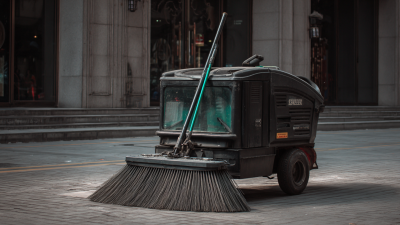
Choosing the right Sweeper is rarely about selecting the largest machine. It is about matching equipment to streets, surfaces, weather, and operating budgets. Global buyers face many options, including mechanical broom sweepers, vacuum sweepers, regenerative-air sweepers, compact sweepers, truck-mounted units, ride-on sweepers, walk-behind models, airport sweepers, industrial sweepers, and autonomous machines.
“Performance starts with understanding the application, not the brochure,” says David H. Gifford, a veteran street-sweeping equipment consultant. His point deserves attention. A compact Sweeper may handle narrow urban lanes better than a powerful truck. A regenerative-air model may collect fine dust efficiently, yet require careful filter maintenance. Mechanical broom equipment can be durable, but it may leave small particles behind in dry conditions.
This guide examines ten widely used Sweeper types for international buyers. Each category has practical strengths and uncomfortable compromises. Some machines consume more water. Others demand skilled operators, specialized parts, or reliable local service. Purchase price can also hide long-term costs.
The details matter. Consider a coastal road with salt residue, a crowded market street, or a warehouse floor covered with metal shavings. Each setting creates a different cleaning challenge. Certification requirements, spare-parts access, shipping dimensions, and climate compatibility also influence the final decision.
There is no universal winner.
Buyers should compare sweeping width, dust control, fuel use, noise, maneuverability, maintenance access, and total ownership cost. Product demonstrations remain valuable, but real route trials are better. Even experienced buyers can misjudge local conditions. That uncertainty deserves honest attention.
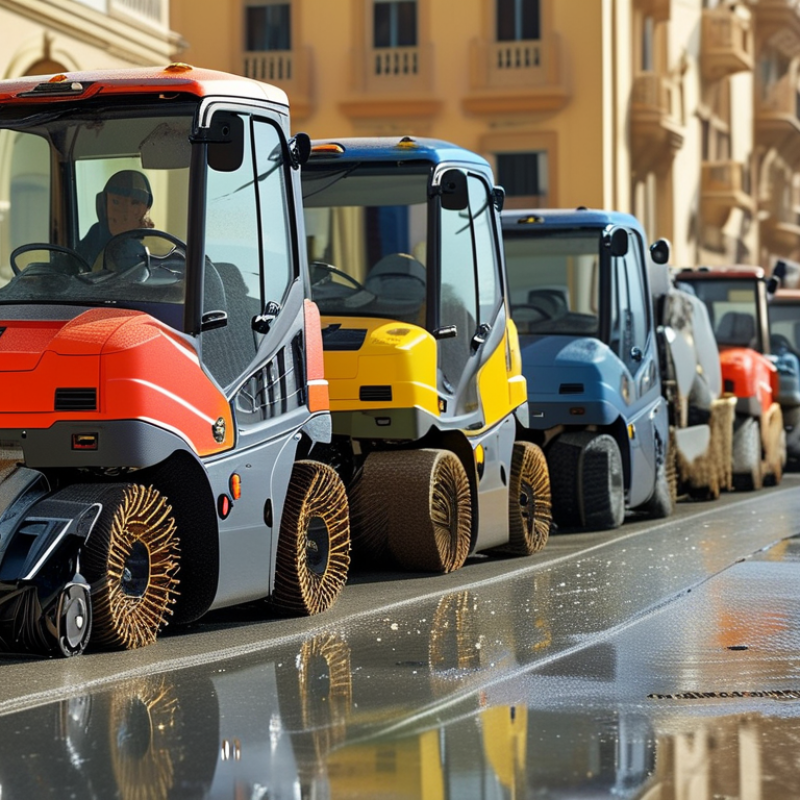
Sweepers remove dust, leaves, grit, and small debris from hard surfaces. Their cleaning systems usually combine side brushes, a central roller, suction, and a collection hopper. The side brush moves debris inward. The roller lifts it. Suction controls fine dust, while the hopper stores collected material. Some machines use water mist to reduce airborne particles, but too much water can create mud.
The ten common types include manual push sweepers, walk-behind models, ride-on sweepers, street sweepers, vacuum sweepers, mechanical broom sweepers, regenerative-air sweepers, truck-mounted units, industrial sweepers, and sweeper scrubbers. Each system suits a different surface and workload. A warehouse may need a compact battery machine. A road contractor may require high-capacity suction and strong filtration. Performance depends on brush pressure, travel speed, dust control, and operator experience. Bigger is not always better.
Tips: Check the debris type, surface texture, cleaning width, hopper capacity, noise level, and replacement-part access. Ask for real test data, not only catalog claims. Inspect the filter system carefully. A machine can sweep well but still release fine dust if filtration is weak. Test turning space and battery endurance in your actual site. I have seen buyers overlook doorway height, then discover an efficient sweeper cannot enter the building. That mistake is avoidable.
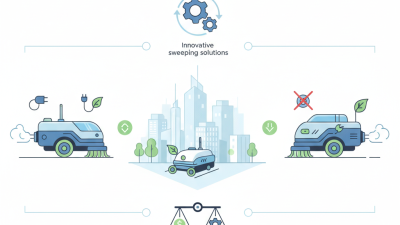
The ten main sweeper types serve different surfaces, working hours, and debris loads. Walk-behind sweepers suit narrow sidewalks, small warehouses, and retail entrances. Ride-on sweepers cover larger floors with less operator fatigue. Mechanical broom sweepers use rotating brushes to move sand, leaves, and loose gravel. Vacuum sweepers collect fine dust through suction and filtration. Regenerative-air sweepers lift debris with controlled air pressure, making them useful for urban roads and fine particles.
Truck-mounted road sweepers offer high capacity for municipal streets, construction areas, and long routes. Compact street sweepers work better in tight lanes and crowded districts. Industrial sweepers handle warehouses, factories, and loading zones where metal dust or packaging waste gathers.
Scrubber-sweepers combine brushing with water and recovery systems, leaving hard floors visibly cleaner. Airport and runway sweepers are built for wide paved surfaces, although buyers must verify local operational requirements. Beach and specialized outdoor sweepers use adapted brushes for sand without damaging the surface.
Selection should begin with debris type, cleaning width, terrain, storage space, and available maintenance support. A powerful machine can perform poorly on uneven ground. Battery models may reduce noise, but charging time can interrupt long shifts. Diesel or fuel-powered units often support heavier outdoor work, yet emissions rules vary by country. Ask for dust-control data, filter replacement intervals, brush life, operator training, and spare-parts access. Test the sweeper on real debris. Catalog claims are not always enough.
Global buyers should match sweeper design to the surface, debris, and operating window. Mechanical broom sweepers perform best on rough roads, construction entrances, and heavy gravel. Vacuum sweepers suit dense city streets, where fine dust and leaves need enclosed collection. Regenerative-air sweepers work well on highways and large paved areas, especially when loose particles must be lifted without constant brush contact. Ride-on sweepers improve productivity in warehouses, factories, and parking structures. Walk-behind sweepers remain practical for narrow aisles and small retail sites.
The remaining five types serve more specific environments. Industrial sweepers handle metal fragments, packaging waste, and concrete dust around plants. Street sweepers support municipal roads and drainage channels. Airport sweepers need wide cleaning paths and dependable performance across expansive hardstand areas. Beach sweepers work best on firm sand, but soft or wet sand can reduce efficiency. Autonomous sweepers suit campuses, logistics yards, and repetitive routes with controlled traffic. They still need human supervision. That detail is easy to underestimate.
Industry data supports this growing demand. Grand View Research reports that the global cleaning equipment market is expanding steadily through 2030, driven by urbanization and stricter cleanliness expectations. The United Nations projects that 68% of the world’s population will live in urban areas by 2050. Meanwhile, street-sweeper market forecasts commonly indicate mid-single-digit annual growth during this decade. Actual performance depends heavily on filter maintenance, operator training, moisture, and debris density. A machine that excels on dry dust may disappoint after rainfall. Procurement teams should test real site conditions before comparing specifications alone.
Top 10 Types of Sweepers for Global Buyers
Comparing sweepers requires more than checking the largest hopper. Walk-behind, ride-on, compact, truck-mounted, and industrial models suit different sites. A 2-cubic-meter hopper may work well in a warehouse, but it can limit maneuverability in narrow aisles. Measure cleaning width, turning radius, and usable capacity. Advertised capacity is not always practical capacity. Dust, leaves, and moisture can reduce the real load.
Power affects both performance and operating cost. Electric sweepers usually offer quieter operation and predictable energy use. Fuel-powered units may handle longer outdoor shifts, but fuel, filters, and engine maintenance add expense. Check motor power under working conditions, not only peak ratings. Ask suppliers for battery runtime, charging time, brush replacement intervals, and tested area coverage. I have seen buyers choose higher power, then pay more for unused performance.
Tips: Compare cost per cleaned square meter. Record energy or fuel use during a normal shift. Include labor, batteries, brushes, filters, tires, and downtime. A cheaper purchase can become expensive after one year. Request service records and realistic test data. Small details matter. Leave room for uncertainty. Weather and operator habits can change results.
Choosing among the top 10 types of sweepers starts with the supplier, not the machine. Ride-on, road, vacuum, and robotic sweepers serve different surfaces and workloads. Ask suppliers for verified output data, including sweeping width, dust-control performance, water use, battery runtime, noise level, and waste-bin capacity. A live demonstration on your actual pavement is more useful than polished brochures.
International buyers should verify the factory, not only the trading office. Request company registration, production photos, quality records, inspection reports, and references from comparable users. The 2023 ISO Survey recorded more than 1.2 million ISO 9001 certificates worldwide, but certification alone does not prove consistent sweeper quality. Check whether the certificate covers the actual manufacturing site. Use an independent pre-shipment inspection for dimensions, safety systems, spare parts, and packaging. UNCTAD reports that maritime transport carries over 80% of global merchandise trade by volume, so shipping damage and port delays deserve early planning.
Tips: Build a requirement sheet before requesting quotations. Include voltage, emissions rules, charging standards, climate conditions, delivery terms, warranty length, and local service expectations. Confirm tariff codes and import documents with a qualified customs professional. Ask for a parts list with prices and lead times. Do not accept “maintenance-free” claims without testing evidence. I have seen attractive offers fail because filters were unavailable locally. A supplier scorecard helps, although it cannot reveal every future problem. Leave room for practical judgment.