Inquiry
Form loading...

Top 10 Winter Warmer Products for Global Buyers

As temperatures fall, global buyers need more than attractive packaging and seasonal discounts. They need Winter Warmer products that deliver measurable comfort, efficient energy use, and dependable performance across different climates. Our guide examines ten practical options, including insulated apparel, heated blankets, thermal socks, portable heaters, hot water bottles, and low-energy heat pumps.

The International Energy Agency’s The Future of Heat Pumps report states that global heat pump sales grew by 11% in 2022. European sales increased by almost 40% during the same period. This data signals rising interest in efficient household heating. The IEA’s Energy Efficiency 2023 report also highlights continued pressure to reduce energy consumption and improve building performance. These trends matter to importers, retailers, and procurement teams.

Comfort comes first.

However, product claims deserve careful testing. A warm-looking fabric may lose insulation after washing. A compact heater may consume more power than expected. Safety certifications, voltage compatibility, material composition, warranty terms, and regional compliance must therefore guide purchasing decisions. Amory Lovins, energy strategist and cofounder of Rocky Mountain Institute, is often quoted saying, “The cheapest energy is the energy you don't use.” His principle remains relevant when comparing heating output with operating costs.

This overview combines market evidence, product specifications, and real-world buying considerations. It does not assume one solution fits every household. That is a limitation worth admitting. A Himalayan winter, a damp London flat, and a mild coastal home require different forms of warmth. The best Winter Warmer choice balances comfort, durability, safety, environmental impact, and total cost.
Top 10 Winter Warmer Products for Global Buyers

Understanding Winter Warmer Products and Global Buyer Needs

Top 10 Winter Warmer Products for Global Buyers

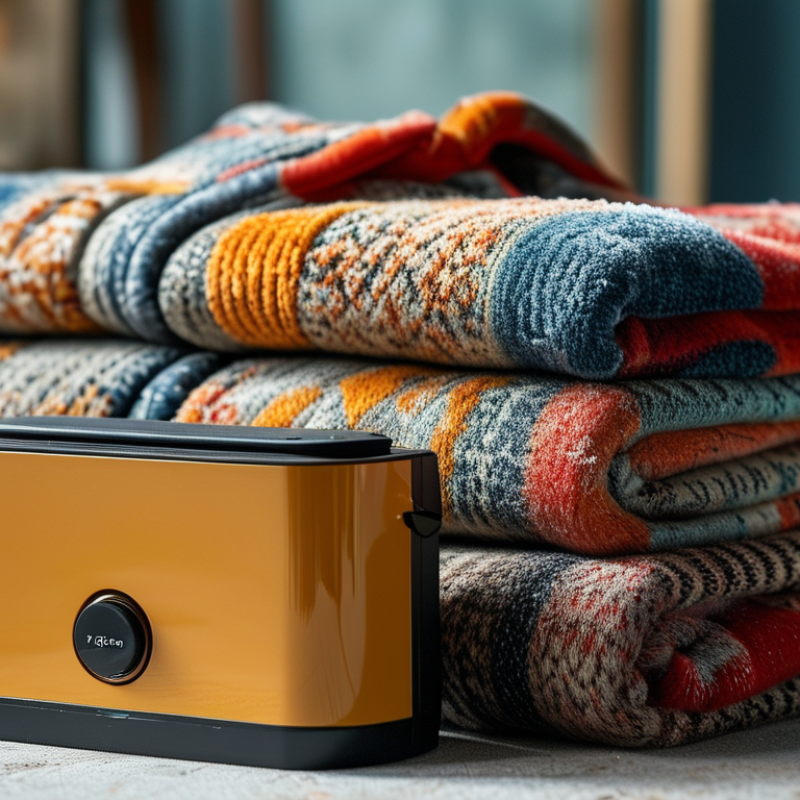
Understanding winter warmer products starts with local climate and daily habits. A heated blanket may suit a cold apartment, while thermal socks work better for outdoor workers. Global buyers often compare base layers, insulated jackets, electric throws, hand warmers, heated pads, winter slippers, fleece blankets, hot water bottles, humidifiers, and portable heaters. Product choice depends on temperature, humidity, room size, and electricity standards. A thick blanket can feel excessive in a mild coastal city. A small heater may fail in a large, poorly insulated room.

From my experience reviewing winter goods, comfort alone is not enough. Buyers should check fabric composition, heating speed, washable parts, temperature controls, and safety instructions. Electrical products need suitable voltage, plug types, reliable testing, and clear labeling for the destination market. Packaging should protect heating wires and fragile controls during long transport. Some suppliers describe products as “universal,” but that claim needs careful verification. I have also found that sizing charts can be confusing across regions. This deserves more attention.

Tips: Match warmth levels to the local climate. Request samples before large orders. Test stitching, controls, odors, and packaging. Check customs rules and required documents early. Ask about repair support and spare parts. Small details matter. Avoid judging warmth from photos alone. A soft fabric may compress quickly, and a powerful heater may consume more energy than buyers expect. Collect user feedback after real winter use, not just after opening the package.
Top 10 Winter Warmer Products for Global Buyers

Understanding Winter Warmer Products and Global Buyer Needs

The chart compares the indicative rated power of ten commonly purchased winter warmer categories. Lower-power products such as heated clothing, blankets and foot warmers are generally suited to personal heating and portability, while space heaters and radiators deliver broader indoor heating at higher energy consumption. Actual specifications vary by product design, voltage and market requirements.

Top 10 Winter Warmer Products by Function and Market Demand

Top 10 Winter Warmer Products for Global Buyers

Top 10 Winter Warmer Products by Function and Market Demand

Winter demand is shifting from basic clothing toward practical, energy-conscious comfort. Thermal base layers, fleece jackets, insulated vests, thermal socks, and waterproof gloves support daily outdoor use. Heated blankets, electric heating pads, reusable hand warmers, boot dryers, and compact room heaters serve home and travel needs. Each product solves a different cold-weather problem. Clothing dominates markets with active commuting and outdoor work. Home-heating products perform better in colder regions with long winters. Compact warmers attract travelers, delivery workers, and sports users. Material performance matters. Buyers often check insulation, breathability, battery life, washable parts, and storage size. Product testing should cover heat distribution, charging stability, skin-contact safety, and moisture resistance. Regional voltage requirements and required safety certifications must be verified before shipment.

Tips: Compare demand by climate, not population alone. Check size charts carefully. Ask for test reports and clear care instructions. Packaging should protect heating elements from pressure and moisture. Avoid vague claims such as “extreme warmth” without measurable conditions. I would not trust one sales report as market proof. Some forecasts are simply wrong. Small pilot orders can reveal return rates, fit problems, and real customer preferences. Suppliers should also explain warranty handling and replacement procedures. A warm product that fails after one week damages trust quickly. Practical design usually wins over attractive but unnecessary features.

Top 10 Winter Warmer Products for Global Buyers - Top 10 Winter Warmer Products by Function and Market Demand

Product comparison based on common winter-use functions, purchasing patterns, climate needs, and international market demand.

Rank Product Category Primary Function Typical Product Specification Main Demand Markets Demand Level Peak Buying Period Common Buyer Priorities
1 Electric Heating Blankets Bed, sofa, and personal heat retention Usually 3–10 heat settings, automatic shut-off, machine-washable removable controller, low-voltage options available Europe, North America, Australia, South Korea Very High August–November Electrical safety, energy use, fabric softness, washability, plug compliance
2 Thermal Underwear Base-layer insulation and moisture management Polyester, merino wool, or blended fabric; close fit; flat seams; lightweight to midweight construction Northern Europe, Canada, Japan, Central Asia Very High July–October Warmth-to-weight ratio, odor control, stretch, sizing range, washing durability
3 Insulated Winter Jackets Full-body protection from cold, wind, and light precipitation Synthetic or down insulation, wind-resistant outer shell, adjustable hood, multiple pockets North America, Europe, China, Japan Very High June–October Thermal performance, weather resistance, weight, design, ethical filling options
4 Rechargeable Hand Warmers Portable warmth for hands and outdoor activities USB rechargeable battery, multiple heat levels, approximately 4–12 hours of advertised runtime, compact housing North America, Europe, Japan, outdoor recreation markets High September–December Battery safety, charging time, heating consistency, portability, compliance documentation
5 Fleece and Sherpa Blankets Indoor comfort and supplementary insulation Polyester fleece or sherpa construction; common sizes include throw, twin, queen, and king North America, Europe, Australia, Middle East indoor markets High September–December Softness, fabric weight, anti-pilling performance, color selection, packaging volume
6 Winter Thermal Socks Foot insulation and moisture control Wool, acrylic, cotton, or blended yarn; cushioned sole; elastic support; crew or knee-high lengths Europe, North America, Japan, high-altitude regions High August–November Warmth, breathability, abrasion resistance, size coverage, shrinkage control
7 Insulated Winter Gloves Hand warmth, wind protection, and outdoor dexterity Synthetic insulation, water-resistant outer material, elastic cuff, touchscreen-compatible fingertip options Europe, North America, Japan, ski and workwear markets High August–November Grip, dexterity, waterproofing, insulation thickness, touchscreen usability
8 Electric Foot Warmers and Heated Insoles Localized warmth for feet during indoor or outdoor use USB, battery-powered, or plug-in designs; adjustable temperature; removable or trim-to-fit insole formats Europe, North America, winter sports and occupational markets Medium–High September–December Battery duration, heat distribution, foot comfort, water resistance, safety controls
9 Portable Ceramic Heaters Rapid supplemental heating for small indoor spaces Commonly 1,000–2,000 W, thermostat control, overheat protection, tip-over shut-off, fan-assisted heating Europe, North America, Japan, offices and rental housing Medium–High September–January Electrical certification, safety cutoffs, noise level, energy efficiency, compact size
10 Reusable Heat Packs Short-term localized warmth for hands, pockets, and outdoor use Gel or crystallization-based designs; reusable after boiling or recharging; compact pocket format Europe, North America, Japan, outdoor and commuting markets Medium September–December Leak resistance, activation method, heating duration, reusability, material safety
Market note: Demand levels are comparative seasonal assessments based on broad winter-climate use, household utility, outdoor activity, and common international purchasing behavior. Actual demand varies by climate, energy prices, regulations, and distribution channel.

Key Materials, Features, and Performance Standards

Top 10 Winter Warmer Products for Global Buyers

Key Materials, Features, and Performance Standards

Global buyers should assess ten core products:

insulated jackets thermal base layers fleece pullovers wool sweaters winter trousers beanies scarves gloves heated vests sleeping bags

Material choice controls warmth, weight, comfort, and durability. Merino wool manages moisture well, while polyester fleece dries quickly. Down provides excellent insulation, but synthetic fill performs more consistently in damp conditions. Recycled fibers can support sustainability goals, though their quality varies by supplier.

Ask for measurable performance data, not vague claims. Thermal resistance, air permeability, water repellency, and seam strength reveal practical value. ISO 11092 testing can indicate fabric thermal resistance, while relevant regional standards may support claims for protective winter clothing. Heated products require additional checks for battery safety, charging systems, insulation, and local electrical requirements. Buyers should also review colorfastness, shrinkage, pilling, and washing performance.

Real conditions are less tidy.

A jacket may pass laboratory testing but feel cold in strong wind. Gloves can insulate well yet reduce finger movement. Sleeping bags need suitable temperature ratings, tested under recognized methods, because user comfort differs. I have found that size charts often create avoidable returns, especially across international markets. Sample testing should include wet-weather trials, repeated washing, zipper checks, and wear simulations. Supplier audits, material traceability, and clear inspection records make product claims more reliable. Practical feedback from field users still matters.

How to Compare Suppliers, Costs, and International Certifications

Top 10 Winter Warmer Products for Global Buyers

How to Compare Suppliers, Costs, and International Certifications

Comparing winter warmer suppliers requires more than checking unit prices. Ask for product samples, factory photos, material specifications, and recent test reports. For electric heaters and heated blankets, confirm wattage, insulation, overheating protection, plug type, and operating instructions. For thermal clothing, review fabric composition, weight, stitching, shrinkage, and washing performance. Small details often affect returns.

Calculate the landed cost carefully. Include tooling, minimum order quantities, packaging, freight, insurance, import duties, and possible inspection fees. A cheaper quotation may hide weak packaging or expensive replacement parts. I have seen attractive offers fail because cartons arrived damp or product dimensions differed from the approved sample. That experience still makes me cautious.

Certification requirements depend on the destination and product category. Check applicable conformity rules for markets such as the European Union, the United Kingdom, North America, and Australia. Verify whether CE, UKCA, RoHS, REACH, electrical safety, or electromagnetic compatibility evidence applies. Do not accept a certificate without checking its model number, testing scope, issuing laboratory, and validity. Laboratories accredited to ISO/IEC 17025 usually provide stronger testing credibility. Supplier audits can reveal worker training, production controls, and traceability. I sometimes overlook lead times when comparing prices. That is a mistake worth correcting, especially before peak winter demand.

Buying Considerations for Different Climates and Consumer Groups

Top 10 Winter Warmer Products for Global Buyers
Buying Considerations for Different Climates and Consumer Groups

Winter buying should begin with climate, not product popularity. For wet coastal regions, choose thermal base layers, fleece blankets, waterproof boots, insulated jackets, and quick-drying gloves. Moisture can make moderate cold feel severe. For dry continental winters, wool socks, down-alternative coats, knitted scarves, thermal underwear, and insulated sleeping bags retain heat more effectively. Mild climates may need lighter jackets, breathable sweaters, compact blankets, and reusable hand warmers. Avoid excessive insulation when temperatures change during the day.

Consumer needs also vary sharply. Children need soft fabrics, secure fasteners, and room for movement. Older adults may value lightweight coats, easy-grip zippers, and non-slip footwear.

Outdoor workers need reinforced seams and pockets that remain usable with gloves. Sensitive users should check fiber composition and washing instructions. Families usually benefit from machine-washable blankets and adjustable garments.

Test the details.

In international purchasing reviews, I check warmth, drying time, stitching, size accuracy, and packaging damage. A thick coat is not always warmer when it traps sweat. I once selected gloves with excellent insulation, but their stiff fingers reduced practical use. That mistake still matters. Buyers should also verify electrical safety for heated products, material certifications, import requirements, and local voltage compatibility. Reliable suppliers provide clear measurements, care labels, test reports, and realistic temperature guidance. Seasonal demand can distort prices, so sample testing before bulk orders remains worthwhile.