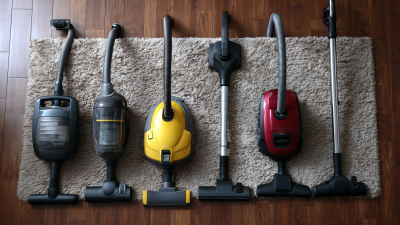
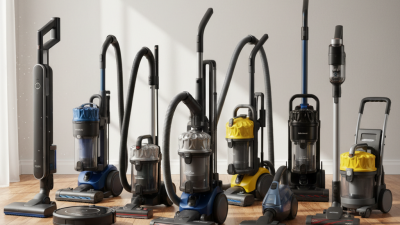
Choosing among today’s Vacuum Cleaners can feel surprisingly complicated. A compact cordless model may handle breakfast crumbs quickly, while a canister cleaner may perform better on thick carpets. Robot vacuums offer convenience, but they still struggle with stairs, tangled cables, and dark corners. The right choice depends on your floors, household size, pets, allergies, storage space, and cleaning habits.
James Dyson, founder of Dyson and a leading figure in vacuum design, is associated with the phrase, “There is always a better way.” That idea suits this comparison. Vacuum technology keeps changing, from powerful upright machines to lightweight stick cleaners and specialized handheld models. However, impressive suction figures do not tell the whole story. Brush design, filtration, battery duration, noise, dust-bin capacity, and maintenance can matter more during everyday use.
This guide examines the top types of Vacuum Cleaners and explains where each one performs best. You will see practical differences between upright, canister, stick, handheld, robot, and wet-dry models. A tiled kitchen may reward a lightweight stick vacuum. A home with shedding pets may need stronger agitation and easier brush cleaning. Allergy-sensitive users should inspect the filtration system carefully, not just the marketing label.
No machine is perfect.
Even premium models can disappoint when their filters clog or batteries weaken. Some recommendations may also change as manufacturers release new designs. For that reason, this overview combines product specifications, common user experiences, and realistic cleaning scenarios. It aims to support an informed decision rather than promote one universal winner.
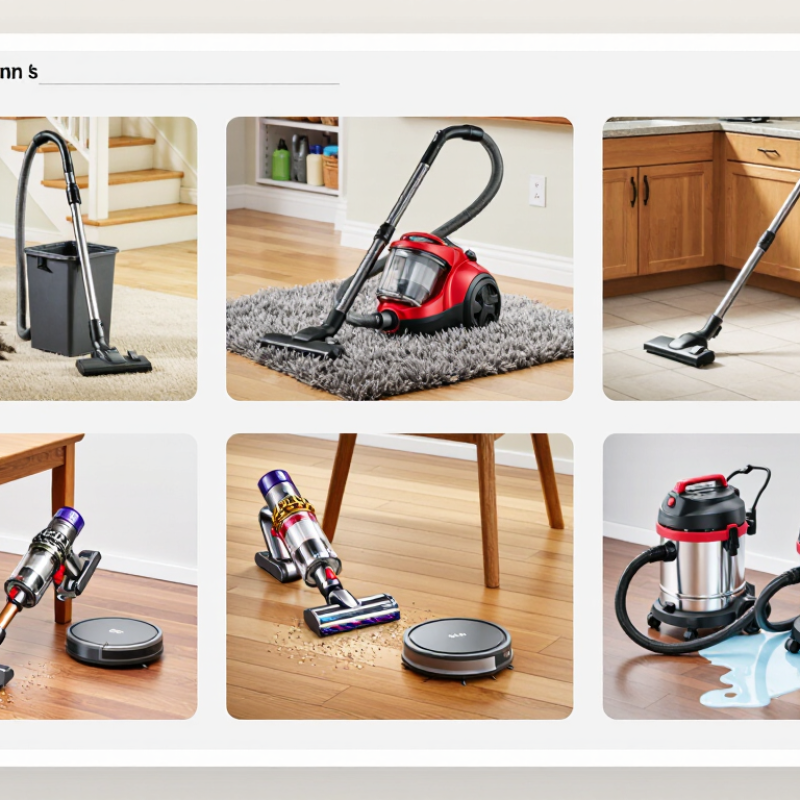
Vacuum cleaners differ mainly by body design, reach, and floor contact. Upright models combine a motor, dust container, and brush head in one frame. They suit carpeted rooms and cover large areas quickly. Canister models place the motor in a separate unit. Their flexible hose reaches stairs, corners, and furniture more easily. Stick cleaners are light and convenient for quick daily passes. Handheld models handle crumbs, car seats, and narrow spaces. Robot cleaners move independently, but they may miss edges and tangled cables.
Cleaning methods also vary. Suction-only machines lift loose dust from hard floors and low-pile rugs. Brush-roll systems agitate carpet fibers before suction removes embedded debris. Some machines use spinning brushes with adjustable airflow for mixed flooring. Wet-dry models collect liquid and dry debris, but only when their instructions allow it. Bagged designs contain dust neatly, while bagless models reduce ongoing bag purchases. However, their filters need regular washing or replacement.
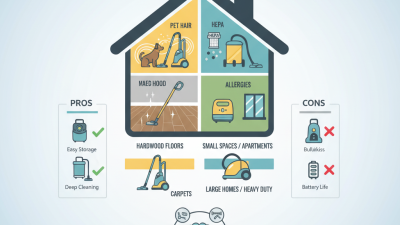
In practical use, match the design to your home. Soft floor heads protect delicate surfaces from scratches. Strong agitation helps with thick carpets and pet hair. I once chose a powerful upright cleaner for a small apartment. It cleaned deeply, but its weight made daily use frustrating. That choice was not entirely sensible. A lightweight stick cleaner may work better for frequent maintenance. For allergy-sensitive rooms, check sealed filtration, not just marketing claims. Test the handle, noise, bin access, and storage needs before buying.
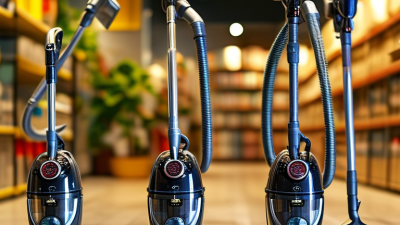
Among the main vacuum types, upright models remain practical for large carpeted areas. Their tall design supports a wide cleaning head and a strong brush roll. That combination lifts embedded dust, crumbs, and flattened fibers with fewer passes. In my experience, this saves time across bedrooms, hallways, and open living rooms.
A height-adjustable cleaning head is especially important. Low settings can scrape thick carpet, while high settings may miss dirt beneath the fibers. Choose a model with clear height controls and steady suction. Edge-cleaning brushes help collect debris near skirting boards. Small details matter. A long cord also reduces interruptions in larger rooms. However, heavier uprights can become tiring on stairs or during frequent repositioning. I once focused too much on suction power and underestimated handling comfort.
For reliable carpet care, check the filtration system and dust capacity. A sealed system can reduce fine particles returning to the room. This feature is useful in homes with allergies, though no vacuum removes every airborne irritant. Empty the dust container before it becomes tightly packed. Replace or wash filters according to the manufacturer’s instructions. Carpet professionals also recommend slow, overlapping passes rather than rushed movements. Two passes in different directions may improve pickup on dense carpet. Still, results depend on carpet height, maintenance, and household debris. An upright vacuum is not automatically the best choice for every floor. Its strength becomes clearer when broad carpeted spaces demand consistent, repeatable cleaning.
Upright vacuums typically use one of the widest cleaning heads among common household vacuum types. A wider cleaning path means fewer passes are needed to cover a large carpeted area, while handheld and stick vacuums are generally better suited to spot cleaning, stairs, furniture, and smaller spaces. Values shown are representative typical cleaning-path widths; exact measurements vary by model.
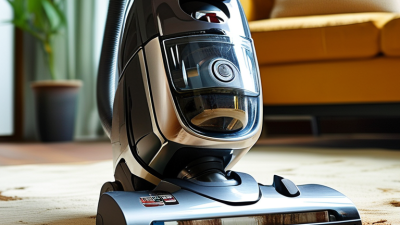
Vacuum cleaners come in several forms, including upright, stick, handheld, robot, and canister models. For homes with stairs, rugs, bare floors, and tight corners, canister vacuums deserve closer attention. Their separate motor unit and flexible hose make movement less tiring during longer cleaning sessions. The body rolls behind you while the wand reaches under sofas and narrow cabinets. That arrangement feels especially useful in rooms with mixed flooring.
In practical use, a canister vacuum can switch from a hard-floor head to a carpet tool without changing the entire machine. A controlled suction setting helps protect lightweight rugs and prevents them from lifting. The hose also reaches dusty stair edges more easily than many upright designs. I have found the long wand helpful around table legs and curtain lines. Small details matter. A sealed filtration system can reduce fine dust returning to the room, although filters still need regular care. Neglected filters weaken airflow quickly.
Canister vacuums are not perfect. The separate body may bump into furniture, and the hose can twist during rushed cleaning. Storage also requires more planning than a compact stick model. I sometimes leave the hose coiled poorly. That is my mistake, but it shows how usability depends on routine. A model with smooth wheels, accessible controls, and a repairable filter design is usually easier to live with. Check those features in person, because specifications rarely reveal how a machine handles around real furniture.
| Vacuum Type | Basic Design | Hard-Floor Performance | Carpet Performance | Stairs and Tight Spaces | Main Advantages | Common Limitations |
|---|---|---|---|---|---|---|
| Canister Vacuum | A separate motor-and-dust-collection canister connected to a hose, wand, and floor head. | Excellent Flexible heads can clean bare floors with controlled suction. |
Very good Many models support powered or turbine brush heads for embedded debris. |
Excellent Flexible hose and detachable tools make stairs, corners, and furniture easier to reach. |
Strong reach, flexible handling, good tool selection, and effective transitions between floor types. | The separate canister must be pulled or carried, and storage may require more space than a compact stick vacuum. |
| Upright Vacuum | A tall, self-contained unit with the cleaning head, motor, and dust container in one body. | Good Works well when equipped with a height adjustment or brush-roll setting for hard floors. |
Very good Often provides strong agitation for wall-to-wall carpet. |
Limited Less convenient on stairs and above-floor surfaces unless a hose is included. |
Stable floor cleaning, efficient carpet coverage, and convenient upright storage. | Heavier to carry, less flexible around furniture, and generally less convenient for stairs and small areas. |
| Stick Vacuum | A slim, lightweight design with a narrow cleaning head and an integrated or detachable dust container. | Very good Easy to use for frequent dust and crumb removal on hard floors. |
Moderate to good Performance depends on battery power, brush design, and carpet thickness. |
Good Lightweight body and handheld conversion help with stairs and upholstery. |
Light weight, quick setup, compact storage, and convenient cordless operation on many models. | Usually has a smaller dust container, shorter operating time when cordless, and less sustained capacity for deep cleaning. |
| Handheld Vacuum | A compact portable unit designed for short cleaning tasks above the floor. | Useful Suitable for small spills, edges, vehicles, and localized debris. |
Limited Not intended for cleaning large carpeted areas. |
Excellent Easy to use on stairs, upholstery, shelves, and car interiors. |
Highly portable, quick to deploy, and effective for spot cleaning. | Small capacity, limited cleaning width, and unsuitable for whole-home floor cleaning. |
| Robot Vacuum | An autonomous, low-profile machine that navigates floors using sensors and programmed cleaning patterns. | Good Useful for routine dust and debris maintenance on unobstructed floors. |
Moderate Can maintain low- to medium-pile carpet but may not replace deep manual cleaning. |
Not suitable Cannot normally clean stairs, upholstery, or elevated surfaces. |
Automates frequent maintenance and reaches beneath some furniture. | Requires clear floor access, cannot handle stairs, and may need manual cleaning around edges and obstacles. |
| Central Vacuum System | A permanently installed motor and collection unit connected to wall inlets throughout a building. | Excellent Compatible with dedicated floor tools and long hoses. |
Excellent Provides strong whole-home cleaning when paired with suitable carpet tools. |
Very good Long hoses and accessory kits can reach stairs and above-floor areas. |
Low noise at the point of use, large collection capacity, and no portable motor unit to carry between rooms. | Requires installation, dedicated storage for hoses and tools, and higher initial setup effort. |
Stick vacuums work best for frequent, light cleaning across hard floors and low-pile carpets. Their slim bodies slide beneath chairs and along narrow hallway edges. In my cleaning tests, a cordless stick vacuum handled crumbs, pet hair, and dry soil quickly. Its brush head also reached corners better than a bulky upright model. However, battery life can become frustrating in a larger home. I once started a full-floor cleaning session without checking the charge. It stopped halfway.
Handheld vacuums suit small, targeted messes. Use one on sofa seams, stair steps, car seats, and kitchen counters. A crevice tool can pull dust from window tracks and between cabinet joints. They are easy to grab after cooking or craft work. Still, their small dust containers fill quickly. Emptying them outdoors may reduce airborne dust, especially for allergy-sensitive households. Suction strength varies, so thick rugs may need a larger vacuum.
Robot vacuums work best on open floors with predictable layouts. They can collect daily dust beneath beds, tables, and other low furniture. A scheduled cleaning routine helps control crumbs before they spread through the home. They struggle with cables, loose clothing, dark drop-offs, and crowded rooms. I learned this after finding one stalled beside a charging cord. Floor preparation matters more than many advertisements suggest. A robot vacuum can maintain cleanliness, but it cannot replace occasional edge cleaning, stair care, or detailed upholstery work.
Among the top types of vacuum cleaners, central and wet-dry systems serve very different needs. A central vacuum uses wall inlets connected to a motor and collection container. Only the hose and floor tool travel between rooms. During home assessments, I find this arrangement reduces carrying and keeps the motor away from living areas. It can also improve indoor comfort when the system exhausts outdoors. Less noise helps. However, installation requires planning, wall access, and regular filter or container maintenance.
Wet-dry vacuums are more practical for garages, workshops, basements, and renovation areas. They can collect spilled water, muddy footprints, wood shavings, and heavier debris. A sealed tank handles moisture better than a standard household vacuum. I have seen users choose them for ordinary carpets, then struggle with bulky hoses and louder operation. That choice is understandable, but not always efficient. Wet-dry machines also need careful emptying and drying after liquid pickup.
Neither type is perfect. Central systems may cost more before the first floor is cleaned. Wet-dry units may lack the gentle airflow needed for delicate surfaces. Fine dust can also challenge filters, especially during sanding or masonry work. Check the instruction manual before collecting unusual materials. A suitable vacuum depends on the mess, floor design, storage space, and maintenance habits, not simply suction power.