Inquiry
Form loading...

Why Choose a Robot Vacuum Cleaner for Your Home?

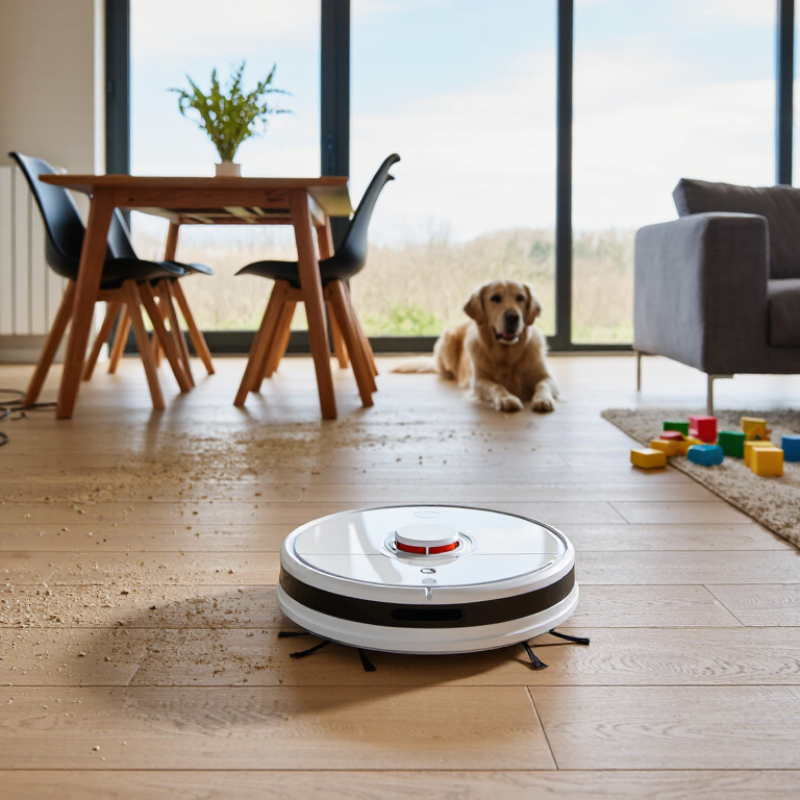
A Robot Vacuum Cleaner is no longer a novelty reserved for technology enthusiasts. It has become a practical household tool for busy families, pet owners, and people with limited mobility. Imagine returning home to clean floors, with crumbs removed beneath the dining table and dust collected along the sofa.

Its strongest advantage is consistency. A Robot Vacuum Cleaner can follow scheduled routines, reach narrow spaces, and reduce the daily effort required for floor care. Many models now combine mapping, obstacle detection, automatic charging, and mopping functions. These features sound impressive, but they are not equally useful in every home. Thick rugs, tangled cables, dark flooring, and scattered toys can still interrupt cleaning.

iRobot co-founder Colin Angle once described the goal clearly: “We want to make the robot disappear.” That idea explains the product’s appeal. The best device works quietly in the background, without demanding constant attention. Still, convenience should not be confused with perfection. A robot cannot replace deep cleaning, careful maintenance, or sensible room preparation. Its brushes need inspection. Its dustbin needs emptying. Sometimes, it may miss an obvious corner.

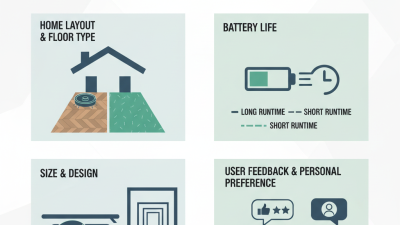
Choosing the right Robot Vacuum Cleaner therefore requires more than comparing suction numbers. Home layout, floor type, pet hair, noise tolerance, privacy settings, and repair support all matter. A reliable model should fit real routines, not merely look advanced in an advertisement. The following guide examines these practical reasons and the limitations worth considering before purchase.
Why Choose a Robot Vacuum Cleaner for Your Home?

What Is a Robot Vacuum Cleaner?

What Is a Robot Vacuum Cleaner?

A robot vacuum cleaner is a compact household appliance that cleans floors with limited human control. It uses sensors to detect walls, furniture, stairs, and objects. Many models also create a digital map of the cleaning area. This helps the machine move in planned paths instead of wandering randomly. Underneath, rotating brushes loosen dust, while a motor pulls debris into an internal container.

In daily use, you can schedule cleaning when the room is empty. Some devices return to a charging station when their battery becomes low. Certain models can also mop hard floors, although mopping performance varies widely. A robot vacuum works best on clear surfaces. Loose cables, small toys, and thick rugs can slow it down or cause problems. Pet hair may also require more frequent brush cleaning.

I once expected a robot vacuum to replace every cleaning task. That expectation was wrong. It cannot clean stairs, narrow corners, or heavily soiled areas as effectively as a person. However, regular automated cleaning can reduce visible dust and crumbs between deeper cleaning sessions. Emptying the dust container, checking the brushes, and cleaning the sensors remain necessary. Small maintenance habits matter. A careful setup also improves safety and cleaning coverage, especially in homes with pets, children, or uneven flooring.
How Robot Vacuum Cleaners Work

Why Choose a Robot Vacuum Cleaner for Your Home?

How Robot Vacuum Cleaners Work

A robot vacuum uses sensors, wheels, brushes, suction, and software to clean floors independently. When it starts, obstacle sensors detect walls, furniture, stairs, and loose objects. Some models use laser mapping or cameras to measure rooms and plan a cleaning route. Others follow simpler patterns, such as straight lines or gentle changes in direction. The device stores this information in a digital map. It then remembers cleaned areas and avoids repeating them too often.

Small side brushes push dust away from corners and toward the central brush. The central brush lifts crumbs, hair, and fine particles from the floor. A motor creates airflow, pulling debris into the dustbin. Filters capture much of the fine dust before air leaves the machine. This matters in homes with pets or dusty carpets. The system works best on open floors.

Not everything goes smoothly. Dark surfaces, reflective furniture, and tangled cables can confuse certain sensors. Thick rugs may slow the wheels. In everyday use, I would still remove socks and charging wires first. The robot cannot recognize every hazard. When its battery becomes low, it usually returns to the charging dock, then resumes cleaning later. This is convenient, but the saved map may need adjustment after furniture moves. Cleaning the brushes and emptying the dustbin also remain human tasks. Small maintenance matters.

Key Benefits for Everyday Home Cleaning

A robot vacuum cleaner can make everyday home cleaning more consistent. Its greatest benefit is regular care, not dramatic cleaning power. You can schedule it to run while you work, cook, or sleep. Dust, crumbs, and pet hair receive attention before they become a larger mess. In my experience, this routine keeps floors looking reasonably clean with less daily effort. It is not magic.

Sensors help the machine navigate around furniture, walls, and stair edges. Many models can adjust their cleaning path when they detect carpets or hard floors. This is useful in busy rooms where chairs, toys, and table legs create obstacles. A cleaner floor may also feel more comfortable for children and pets. Still, it can miss corners and struggle with dark objects. I once found it repeatedly circling a floor lamp base. That was inconvenient, but also a useful reminder to manage the room.

Reliable results depend on simple maintenance. Empty the dustbin regularly, especially after cleaning shedding seasons. Remove wrapped hair from the brush before it slows the motor. Wipe the sensors with a soft, dry cloth. Keep charging areas clear of cables and small objects. These tasks take only a few minutes, yet skipping them can reduce performance. The robot also cannot replace occasional deep cleaning, careful stain removal, or human judgment. Its quiet routine helps most when the home is prepared for it.

How to Choose the Right Robot Vacuum Cleaner

Why Choose a Robot Vacuum Cleaner for Your Home?

Choosing the right robot vacuum cleaner starts with your floor, not its advertised features. Hard floors need reliable edge cleaning and quiet navigation. Thick carpets require stronger suction and brush height adjustment. The International Federation of Robotics reported about 11.2 million consumer service robots sold in 2023. That growth shows wider adoption, but popularity does not guarantee a good match.

Measure your home before comparing models. A low profile matters under sofas and beds. Precise mapping helps in rooms with narrow furniture gaps. For homes with pets, select a model with tangle-resistant brushes and a washable filter. Check the dustbin size, too. A small bin may need daily emptying. Automatic charging is useful, but battery performance can fall after repeated cycles. Mopping functions also deserve caution. They may remove light marks, but they cannot replace proper floor washing.

Tips: Mark the highest door threshold in your home. Check whether the robot can cross it. Test Wi-Fi coverage near distant rooms. Read maintenance instructions before buying. I once focused too much on suction numbers. Brush design and navigation often mattered more in daily use. Also, “smart” features can add complexity. A simple machine may be easier to repair and maintain. Review test methods in professional reports, not only headline scores. The right choice should fit your rooms, schedule, flooring, and willingness to clean the machine regularly.

Why Choose a Robot Vacuum Cleaner for Your Home? - How to Choose the Right Robot Vacuum Cleaner

Selection Dimension Typical Options or Range Why It Matters Recommended Choice
Floor Type Hard floors, low-pile carpets, medium-pile carpets, or mixed flooring Brush design and suction performance affect dust pickup on different surfaces. Choose a model with automatic suction adjustment for homes with mixed floors.
Cleaning Coverage Approximately 60–150 m² per cleaning cycle, depending on settings and layout Battery capacity, navigation efficiency, and floor obstacles determine how much area can be cleaned. Select coverage capacity above your home's actual floor area to allow for repeat passes.
Battery Runtime About 90–180 minutes per charge in standard vacuum mode Longer runtime is useful for larger homes, multiple rooms, and higher-power cleaning modes. For larger homes, choose automatic recharge-and-resume functionality.
Navigation System Random navigation, gyroscope-based navigation, camera-based mapping, or laser mapping Systematic mapping generally improves route efficiency and room-to-room coverage. Choose mapped navigation for multi-room homes or scheduled cleaning.
Obstacle Avoidance Basic bump sensors, infrared sensors, or camera-based object detection Better detection helps reduce collisions and the risk of tangling with cables or small objects. Use enhanced obstacle detection in homes with children, pets, or many furnishings.
Suction Performance Adjustable suction from quiet cleaning to high-power cleaning Higher suction can improve pickup of embedded debris, but it may increase noise and battery use. Prioritize adjustable power rather than maximum power alone.
Pet Hair Handling Single or dual brush systems; standard or hair-resistant roller design Hair can wrap around brushes and reduce cleaning efficiency over time. Choose an easy-to-remove, hair-resistant main brush and a washable filter.
Dustbin Capacity Approximately 0.3–0.7 liters for the robot's onboard dustbin A larger dustbin reduces emptying frequency, especially in homes with pets or heavy dust. Choose at least 0.4 liters for regular cleaning in a medium-sized home.
Mopping Function No mopping, passive water wiping, or electronically controlled water flow Mopping can remove light surface marks, but it does not replace deep manual floor cleaning. Choose controlled water flow and no-mop zones for homes with carpets and hard floors.
Height and Clearance Usually about 7–10 cm in height The robot must fit beneath furniture and between room entrances without getting stuck. Measure the lowest furniture clearance and select a robot with additional allowance.
Noise Level Often about 55–70 dB, depending on cleaning mode and surface Lower noise is more comfortable during work, study, sleep, or television viewing. Choose a quiet mode and schedule cleaning when the home is unoccupied.
Scheduling and Control On-device controls, remote control, or app-based scheduling Scheduling supports consistent cleaning and reduces the need for daily manual operation. Choose room-specific schedules if your home has different cleaning needs.
Maintenance Requirements Emptying the dustbin, cleaning brushes and sensors, and replacing filters periodically Regular maintenance preserves suction, navigation accuracy, and battery efficiency. Prioritize washable parts, accessible brushes, and clearly available replacement components.
Best Home Profile Apartments, open-plan homes, mixed-floor homes, or pet-owning households Robot vacuums are most useful where routine surface cleaning is needed between deeper cleanings. Match features to floor type, room layout, occupants, pets, and available maintenance time.
Practical buying rule: Choose navigation, brush design, clearance, battery capacity, and maintenance features according to your home's layout and daily cleaning needs—not simply the highest advertised suction figure.

Important Limitations and Maintenance Needs

Why Choose a Robot Vacuum Cleaner for Your Home?

A robot vacuum can reduce daily floor cleaning, but it is not a complete replacement for manual work. In my experience, it performs best on open floors with limited clutter. It often misses dust along wall edges and beneath low furniture. Small steps, thick rugs, and uneven thresholds can also stop it unexpectedly. I once assumed automatic mapping would solve every problem. It did not. A loose charging cable still caused trouble.

Maintenance demands are easy to underestimate. The dustbin may need emptying every day in homes with pets or children. Hair can wrap tightly around the main brush and side brushes. I check these parts twice weekly and remove buildup with a small tool. The filter needs regular cleaning and timely replacement. If ignored, suction weakens, and fine dust may return to the room. A damp filter can also create an unpleasant smell.

These machines need a prepared environment. Move socks, cords, and small toys before each cleaning cycle. Keep the charging area clear, especially in narrow hallways. Sensors should be wiped with a soft, dry cloth because fingerprints can affect navigation. Battery performance may decline after years of repeated charging. Some floors still need careful hand cleaning, particularly around spills, corners, and stair edges. The convenience is real, but only when maintenance becomes part of the household routine.

Why Choose a Robot Vacuum Cleaner? Important Maintenance Needs

Robot vacuums can reduce daily cleaning effort, but regular maintenance is essential for consistent performance. The chart shows typical maximum intervals for common household maintenance tasks. Actual intervals vary with floor area, pets, dust levels, and usage.

Shorter intervals are generally needed in homes with pets, long hair, carpets, or frequent cleaning cycles.