Inquiry
Form loading...
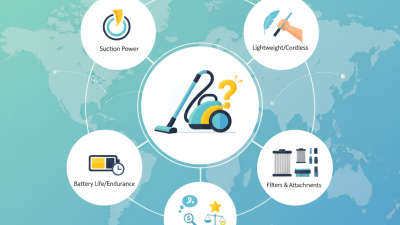
Choosing among the 2026 Top Vacuum Cleaners for Global Buyers requires more than comparing suction numbers. Homes differ widely. A tiled apartment in Singapore needs different tools from a carpeted house in Canada. Floor type, humidity, pet hair, dust levels, storage space, and local voltage all matter. A powerful machine may still disappoint when its brush clogs or its battery fades halfway through cleaning.
Cleaning expert Carolyn Forté has stated, “The best vacuum is the one that fits your cleaning needs.” That practical view guides this article. We examine cordless sticks, canister models, upright machines, robot vacuums, and wet-dry systems. Each category brings useful strengths and frustrating limits. We consider pickup performance, filtration, noise, battery endurance, dust-bin capacity, maintenance, replacement parts, and warranty support. Small details matter. A washable filter can reduce recurring costs. A narrow nozzle can reach crumbs beneath a sofa. A heavy body can make stairs exhausting.
Global buyers also need to check plug compatibility, voltage requirements, shipping conditions, and regional service access. Marketing language often sounds impressive. Real homes are less predictable. A robot may miss dark rugs, while a premium cordless model may struggle with thick carpet. No vacuum cleaner is perfect. This guide therefore balances laboratory claims with everyday experience, verified specifications, and honest trade-offs. Some recommendations may change as prices, technologies, and repair networks shift. That uncertainty deserves attention, not concealment.
2026 Top Vacuum Cleaners for Global Buyers
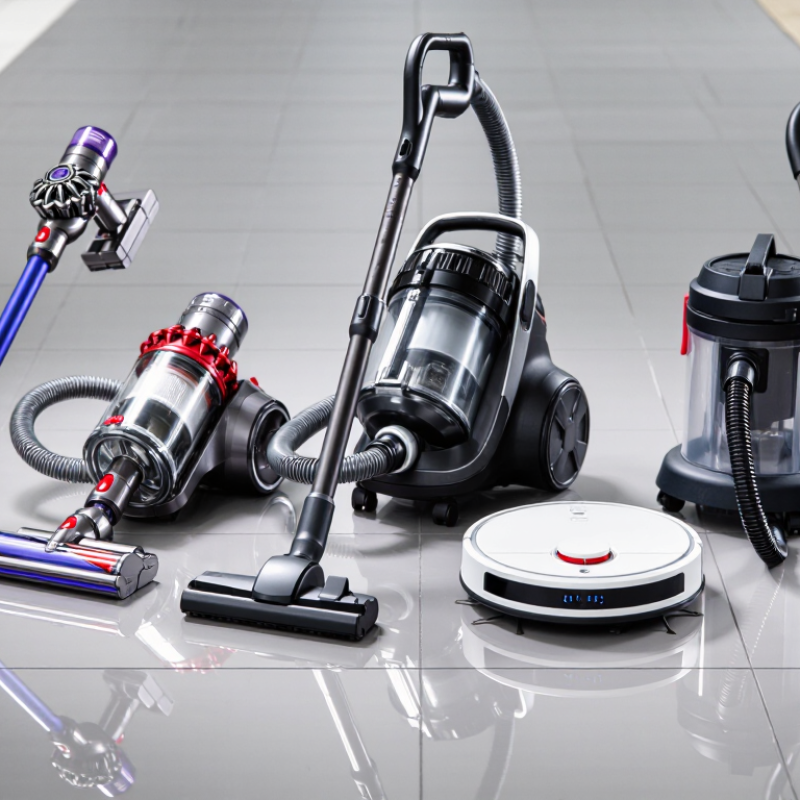
Global buyers should not choose one vacuum category blindly. Floor type, humidity, storage space, and repair access matter more than glossy specifications. Grand View Research valued the global vacuum cleaner market at approximately USD 44 billion in 2023. Its report expects continued growth through the decade. That growth reflects varied household needs, not one universal machine.
Upright cleaners suit wall-to-wall carpets and strong, direct cleaning. Canister models remain flexible for stairs, curtains, and hard floors. Both can feel bulky in compact apartments. Stick cleaners reduce daily friction, especially for quick kitchen spills and narrow storage areas. Fortune Business Insights estimates strong expansion in the robot vacuum market through 2032. Robots offer scheduled cleaning, but they can miss corners, cables, and dark thresholds. Wet-dry machines handle sealed floors, liquid spills, and visible debris in one pass. Maintenance is less pleasant.
For international purchasing, check voltage compatibility, plug standards, filter supply, battery replacement, and local service coverage. Voltage mistakes are expensive. Filter availability matters. Noise ratings may also vary between laboratory and household conditions. Reports rarely capture tangled hair, muddy entryways, or a full dust bin. A practical test should include pet hair, rice grains, carpet edges, and a wet mark. My assessment remains imperfect because home layouts differ widely. Some buyers may overpay for automation when a durable stick cleaner fits better. Others may underestimate wet-dry maintenance after the first week.
| Vacuum Category | Best Use | Power and Runtime | Typical Dust or Water Capacity | Cleaning Performance | Filtration | Typical Noise Range | Main Advantages | Global Buyer Considerations |
|---|---|---|---|---|---|---|---|---|
| Upright | Large carpeted rooms and heavy-duty household cleaning | Usually corded; continuous operation while connected to the local power supply. Common motor ratings are approximately 500–1,200 W, depending on model and market. | Approximately 1.5–3.0 L dust container or bag | Strong airflow and brush agitation; particularly effective on medium- and high-pile carpets. Some models allow brush-roll height adjustment. | Fine-particle filters are common; selected models use certified HEPA filtration. Filter maintenance is required to preserve airflow. | Approximately 75–85 dBA during operation | High carpet pickup Large capacity Fast room coverage | Check plug type, rated voltage, frequency, cord length, storage space, and whether the brush roll can be switched off for hard floors. |
| Canister | Mixed flooring, stairs, upholstery, curtains, and furniture | Most models are corded and provide continuous cleaning. Power varies widely by design; airflow and sealed suction are more meaningful than wattage alone. | Approximately 2.0–4.0 L bag or dust container | Flexible hose and wand provide good reach and maneuverability. Floor heads can be optimized for hard floors, rugs, or carpets. | Multi-stage filtration is common; some models include sealed systems and certified HEPA filters for fine airborne particles. | Approximately 70–80 dBA | Versatile attachments Good reach Quiet options available | Review hose length, accessory compatibility, replacement bag availability, voltage requirements, and wheel performance on uneven floors. |
| Cordless Stick | Daily maintenance cleaning, apartments, kitchens, and quick spill removal | Rechargeable battery operation; approximately 20–60 minutes in standard mode. Maximum-power modes commonly reduce runtime substantially. | Approximately 0.3–0.8 L dust container | Lightweight and convenient for hard floors and low- to medium-pile carpets. Performance depends on battery charge, brush design, and suction mode. | Washable fine-particle filters are common; selected models use HEPA-grade or certified HEPA filtration. | Approximately 70–84 dBA, depending on power mode | Lightweight Cord-free mobility Easy storage | Confirm battery replacement policy, charging voltage, charging time, spare-battery availability, dust-bin emptying method, and local service support. |
| Robot | Scheduled maintenance cleaning on hard floors and low-pile carpets | Rechargeable operation; approximately 90–180 minutes per charge under standard conditions. Many models automatically return to a charging station. | Approximately 0.3–0.7 L onboard dust container; optional self-emptying stations can hold several weeks of debris, depending on use. | Autonomous navigation, edge cleaning, and programmable schedules are common. Obstacle avoidance and carpet detection vary by model. | Fine-particle filtration is common; filter replacement intervals depend on dust load, household size, and manufacturer guidance. | Approximately 55–70 dBA during standard cleaning; self-emptying stations may be louder briefly. | Automated scheduling Low daily effort App control options | Check regional app availability, Wi-Fi compatibility, mapping privacy settings, threshold clearance, replacement parts, language support, and regional power requirements. |
| Wet-Dry | Sealed hard floors, liquid spills, kitchens, dining areas, and combined vacuum-and-mop tasks | Available in corded and cordless formats. Cordless models commonly provide approximately 25–45 minutes of operation per charge. | Separate clean- and dirty-water tanks commonly hold approximately 0.5–1.0 L each | Collects dry debris while washing hard floors. It is generally not intended for unsealed wood, thick carpets, or standing water unless specifically rated for those surfaces. | Wet/dry systems typically use a debris filter and washable components; filtration arrangements differ from conventional dry vacuums. | Approximately 68–78 dBA, depending on suction and drying functions | Liquid pickup Floor washing Reduced cleaning steps | Confirm suitable floor types, tank-cleaning procedure, drying time, detergent compatibility, wastewater disposal requirements, battery service, and regional electrical standards. |
| Buyer note: Performance figures are representative category ranges rather than specifications for a particular product. Actual runtime, capacity, noise, filtration, and cleaning results vary by model, operating mode, floor type, maintenance condition, and local electrical standards. | ||||||||