Inquiry
Form loading...

What Are the Best Vacuum Cleaners to Buy from China?

Choosing the best vacuum cleaners from China starts with the job, not the lowest price. A compact cordless model may suit a small apartment, while a canister vacuum can handle rugs, hard floors, and longer cleaning sessions. Check the product’s measured suction, sealed filtration, battery runtime, and replacement-part availability. Numbers on a listing need context. A high wattage alone does not prove strong pickup.

Vacuum-engineering entrepreneur James Dyson is widely quoted as saying, “I made 5,127 prototypes before I got it right.” The lesson is useful: design quality comes from testing, not claims. For Cleaners Vacuum buyers, that means asking for performance reports, warranty terms, and clear demonstrations on dust, hair, and carpet. Look closely at the brush roll and filter access. Can you remove them without tools? Small details matter. So does noise. A quiet showroom sample may sound different in a tiled room.

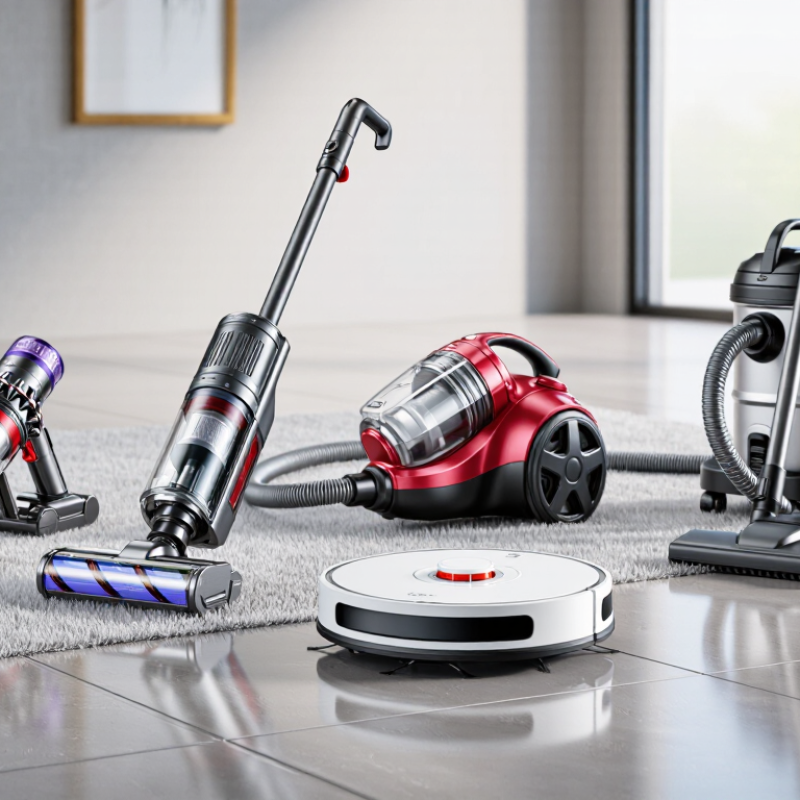
This guide compares common options from Chinese manufacturers, including robot, cordless stick, and wet-dry models. It also explains which features fit different homes and budgets. Supplier transparency matters. So does after-sales support. One caution: specifications can look impressive but still leave questions about real-world durability. I would treat any single test as a starting point, not a verdict. A reliable purchase balances performance, repairability, and honest documentation.
What Are the Best Vacuum Cleaners to Buy from China?

How to Define the Best Vacuum Cleaner for Your Needs

The best vacuum is the one that fits your floors, home size, and cleaning habits—not the one with the largest motor rating. In a small apartment with hard floors, a light canister or stick model may be easier to store and carry. Thick rugs need stronger brush agitation, while pet hair calls for a brush roll that resists tangling. Check the weight and bin-release design, too. A full bin should not become a wrestling match.

Filtration matters if dust or allergies are a concern, but no vacuum fixes every indoor-air problem. The U.S. EPA’s The Inside Story: A Guide to Indoor Air Quality reports that indoor levels of some pollutants are often two to five times outdoor levels. That figure is not a promise that vacuuming will remove them all; ventilation and controlling pollution sources matter as well. For a fair comparison, look for measured pickup and filtration details, not just watts. IEC 62885-2:2021 sets methods for testing dry-vacuum performance on household surfaces. Ask sellers for relevant test results and confirm the voltage, plug, replacement-filter availability, and warranty terms for your market. I would still test a sample on your own rug. Specs can look tidy; real floors are less cooperative.
Which Types of Vacuum Cleaners Are Made in China?

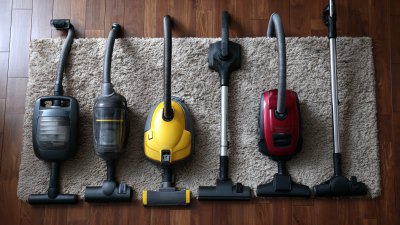
Chinese manufacturers produce several common vacuum cleaner types, from compact handheld units to full-size canister models. Canister vacuums usually suit homes with hard floors, stairs, and varied attachments. Their separate hose and body can feel awkward in tight cupboards, though.

Upright cleaners combine the motor and floor head in one unit. They are practical for larger carpeted areas, but their weight matters when carrying them upstairs. Cordless stick vacuums are lighter and easy to grab for crumbs near a kitchen counter. Battery life and replacement-battery availability deserve a close look. Small details matter. Handheld models handle car seats and sofa seams; robot vacuums can maintain floors between deeper cleaning sessions. Neither replaces every cleaning task.

Factories also make wet-dry machines for collecting liquid spills and dry debris, as well as commercial models designed for longer operating periods. Specifications vary widely, even within the same category. A wet-dry label alone does not tell you how easy the tank is to empty or clean. Ask for clear details on filtration, usable dust capacity, included attachments, and local service support. I would not judge a machine by suction figures alone; floor type, noise, and filter upkeep can change the experience at home.

What Vacuum Cleaner Types Are Made in China?

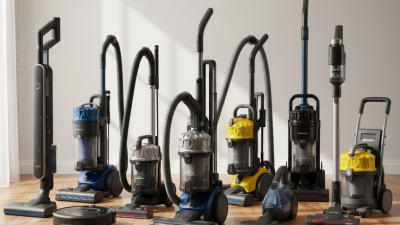
Chinese manufacturers produce a wide range of vacuum cleaner types. The chart compares illustrative dust-bin or tank capacity ranges; actual capacities vary by model.

Choosing a type: Robot and stick vacuums suit everyday floor cleaning; canister and upright models offer larger dust capacity; wet-dry models are designed for liquid and workshop cleanup. Compare individual specifications before buying.

What Features and Specifications Matter Most?

When comparing vacuum cleaners from China, start with the surfaces in your home. A compact stick model may suit hard floors, while thick rugs need a brush roll and stronger airflow. Suction figures alone can mislead. Check whether the maker lists airflow, sealed suction, or both, and treat unusually impressive numbers with caution.

For cordless models, compare battery capacity, realistic runtime, and charging time. Runtime often drops when you use the highest setting. Check whether the battery can be replaced, and whether filters and brush rolls are easy to source. Small details matter: a washable filter saves money, but it must dry fully before reuse. Noise levels are worth checking too, especially in small apartments.

Confirm the rated voltage and plug match your destination, and look for clear warranty terms and accessible support. A product listing should specify dust-bin capacity, weight, included attachments, and filtration details. Check the filtration standard rather than relying on vague claims like “allergy friendly.” I would also read reviews that mention months of use, not just unboxing. Still, online reviews can miss long-term faults. If possible, ask the seller about spare parts before ordering.

What Are the Best Vacuum Cleaners to Buy from China? — What Features and Specifications Matter Most?
Vacuum Type Typical Suction Specification Power or Runtime Dust Capacity Filtration to Look For Typical Weight and Noise Best Suited To Key Checks Before Ordering
Cordless stick Often advertised around 15–30 kPa; compare results only when the test method and operating mode are stated. Commonly about 20–60 minutes per charge, with shorter runtime at maximum power. Battery capacity and replaceability matter. About 0.3–0.8 L Sealed filtration is preferable; check whether the filter is washable, replaceable, and readily available. Approximately 2–4 kg; noise often falls around 70–85 dB, depending on mode and measurement distance. Quick daily cleaning, apartments, and homes with mixed floor types. Ask for runtime by power mode, battery-cycle information, charging voltage, spare-battery availability, and included floor heads.
Corded canister Compare airflow and suction using the same test method; motor wattage alone does not show cleaning performance. Continuous operation while plugged in. Check rated input power and plug, voltage, and frequency for the destination market. About 2–5 L Look for a clearly specified exhaust filter and a well-sealed dust path; confirm replacement-filter availability. Canister units commonly weigh about 4–8 kg; operating noise varies substantially by design. Long cleaning sessions, larger homes, and users who prefer not to manage battery runtime. Confirm cord length, floor-head compatibility, bagged or bagless design, included accessories, and local electrical compliance.
Upright Check the stated suction or airflow test and whether the brush roll is designed for carpet, hard floors, or both. Many models are corded; verify rated input power and the electrical configuration required for the destination market. About 1–4 L Check whether the complete system is sealed and whether filter grades are supported by test documentation. Often about 5–9 kg; weight and handle design can affect ease of use on stairs. Carpeted rooms and larger floor areas where a motorized brush is useful. Check brush-roll shutoff or floor adjustment, hose reach, steering, cord length, and whether the unit can stand upright securely.
Robot vacuum Specifications are commonly stated in pascals (Pa); advertised figures alone do not predict pickup on every floor surface. Typically several hours to recharge; verify battery capacity, coverage per charge, and charging-dock requirements. About 0.2–0.6 L in the robot; self-emptying docks have a separate, larger dust bag or bin. Check the robot’s filter type, replacement interval, and whether filters and dust bags can be purchased separately. Often about 2.5–5 kg; noise varies by suction mode and whether the unit is emptying into a dock. Routine maintenance cleaning on accessible floors and low-pile rugs. Confirm navigation method, obstacle handling, app-language support, Wi-Fi band compatibility, map storage, and dock dimensions.
Wet-and-dry shop vacuum Look for airflow and sealed-suction data, plus the hose diameter; motor wattage by itself is not a suction test. Usually corded. Check whether wet pickup requires a separate filter or a change in setup. About 10–30 L for common workshop-size units; larger tanks are available. Verify the correct filter for dry debris, fine dust, or wet pickup. A standard shop filter should not be assumed to capture hazardous fine dust. Often about 5–12 kg when empty; operating noise can be high, so check the stated dB test conditions. Garages, workshops, renovation cleanup, and occasional liquid pickup when the model is designed for it. Check tank material, hose and accessory sizes, float shutoff for liquid pickup, and any dust-class or safety documentation required for the job.
Handheld vacuum Compare suction using a stated test method; compact size and high advertised pressure do not guarantee useful pickup. Often about 10–30 minutes per charge; verify battery replacement options and charging time. About 0.1–0.5 L Check that the filter is removable, cleanable as directed, and available as a replacement. Commonly about 0.7–2 kg; noise depends on motor speed and construction. Car interiors, upholstery, stairs, and small dry spills. Confirm included crevice tools, whether the device is for dry use only, charging method, and warranty coverage for the battery.
Buying note: These are indicative ranges for common product categories, not guaranteed specifications for any particular model. Compare products using the same measurement method, and request test reports, manuals, destination-market electrical ratings, applicable safety documentation, spare-parts details, and warranty terms before purchasing.

How to Compare Chinese Vacuum Cleaner Brands and Models

When comparing Chinese vacuum cleaner brands and models, start with the kind of cleaning your home actually needs. A cordless stick model may suit quick daily pickup, while a canister cleaner can be easier for longer sessions. Check the stated suction power, but do not treat one number as proof of better cleaning. Floor type, brush design, and airflow all matter.

Look closely at filtration, dust capacity, and replacement parts. A sealed filtration system can help keep fine dust from escaping, but check whether filters are washable and available locally. Small details count. A bin that empties cleanly is less frustrating than one that spills dust onto the floor. Compare noise ratings and battery runtime under normal use, not only ideal settings. Those figures can be easy to overvalue.

Before ordering, confirm the exact model number, plug type, voltage, warranty terms, and local repair options. Similar-looking versions may have different accessories or specifications. Read several recent reviews, especially those describing long-term use and service experiences. One complaint is not a pattern, but repeated reports deserve attention. I would also compare the cost of filters and batteries over time. The cheapest purchase may not stay cheapest. A little uncertainty is normal; specifications do not tell the whole story.

What Should Buyers Check Before Purchasing?

When comparing vacuum cleaners from China, look beyond the advertised suction figure. Ask how it was measured and whether the test used a clean filter. A high number can look impressive. It may not reflect performance on a rug after several minutes of use.

Check the rated voltage, frequency, and plug type against your home supply. Confirm the model has a suitable local power configuration before ordering. Inspect the product manual for filter maintenance, dust-bin capacity, and replacement-part availability. A washable filter sounds convenient, but it still needs regular drying. Small details matter. Request clear photos of the actual unit, accessories, and packaging, not only polished product images. Ask for evidence of relevant safety testing, and verify that documents match the exact model number. Paperwork can be confusing; I would check it twice.

Noise level, weight, and cord length affect daily use more than many buyers expect. If possible, request test results under stated conditions rather than relying on vague claims. Clarify the warranty period, who handles service, and whether parts can be shipped to your region. Get these terms in writing. Shipping damage is another practical concern, so ask how the cleaner is protected inside the carton and what happens if it arrives broken. A lower price may still cost more if filters or repair parts are hard to obtain.