Why Choose an Industrial Sweeper for Your Business?
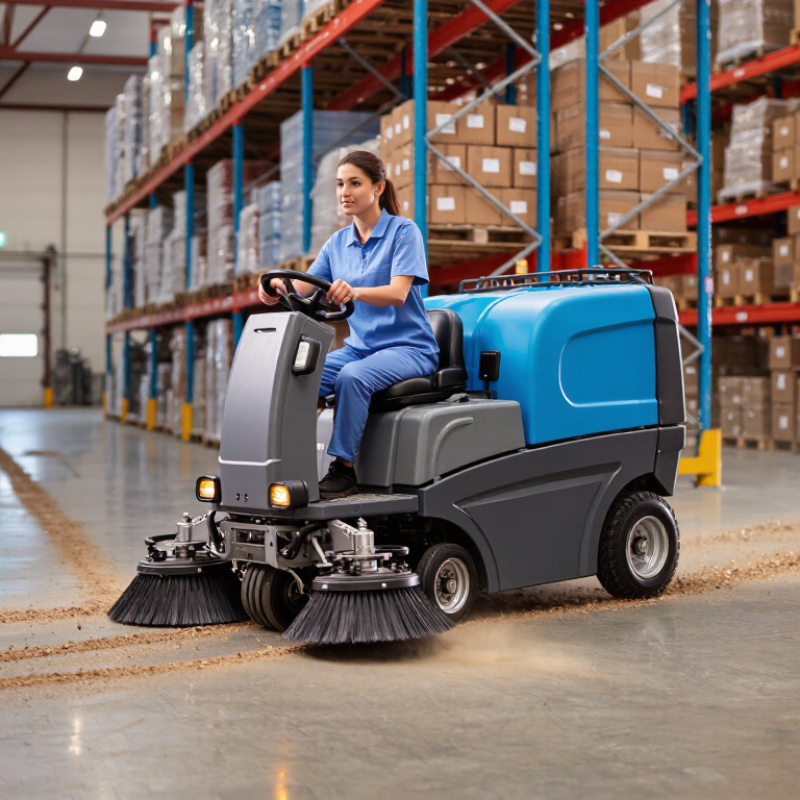
Choosing an industrial Sweeper is not just a matter of buying a larger machine. It is a practical decision about dust, labor, safety, and the condition of your floors. Picture a warehouse aisle after a busy shift: cardboard fibers gather near the racks, grit tracks toward the loading doors, and staff lose minutes pushing a small broom. A well-matched sweeper can collect that debris more consistently and cover broad areas with less manual effort.
As an illustrative industry expert, facility-care adviser Maya Chen puts the decision this way: “Choose a sweeper for the dirt your site actually makes, not the machine that looks most impressive.” This is an original, illustrative quotation, not a sourced statement. The point matters. Fine dust, metal shavings, leaves, and packaging scraps place different demands on brushes, filters, hopper capacity, and power. The right choice depends on floor type, aisle width, operating hours, and whether the machine must work indoors or outdoors.
There are trade-offs. A ride-on model may save time across a large distribution center, while a compact walk-behind unit can turn more easily around benches and narrow shelves. Maintenance also counts: clogged filters, worn brushes, or an inconvenient charging routine can weaken real-world performance. A sweeper is not magic. And no machine suits every site. This guide explains how to compare industrial sweepers, estimate operating needs, and choose equipment that supports cleaner floors without adding unnecessary complexity. Your facility’s traffic and debris patterns should lead the decision.
What Is an Industrial Sweeper?
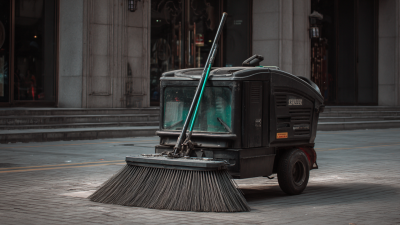
An industrial sweeper is a machine designed to collect dry debris from large floors. It uses rotating brushes to guide dust, grit, and scraps into a hopper. Many models also use filters to reduce airborne dust. Some are pushed by an operator; others are ride-on machines for bigger areas. Unlike a floor scrubber, a sweeper is not built to wash away sticky spills. That distinction is easy to overlook.
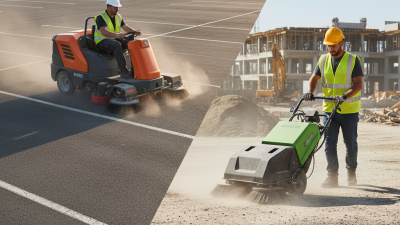
Businesses may use sweepers in warehouses, workshops, loading areas, and parking facilities. The right machine depends on floor size, debris type, aisle width, and cleaning frequency. A compact unit may handle narrow aisles, while a ride-on model can cover broad concrete floors faster. Still, tight corners and uneven surfaces can take extra passes. A sweeper also needs regular brush, filter, and hopper checks to work consistently.
Tips: Match the brush type to your floor and debris. Check the hopper capacity before long shifts. Test the machine in a busy aisle; a unit that looks efficient on an open floor may feel awkward around pallets. Keep a simple maintenance log, even if it seems unnecessary at first.
Why Choose an Industrial Sweeper for Your Business? — What Is an Industrial Sweeper?
| Sweeper Type |
How It Works |
Typical Work Area |
Potential Advantages |
Points to Consider |
| Walk-behind sweeper |
An operator guides the machine while rotating brushes move debris into a collection hopper. Many models include dust-control filtration. |
Smaller indoor or outdoor areas, aisles, workshops, and spaces with limited access. |
Compact and maneuverable; can be easier to store and use around obstacles than larger machines. |
The operator walks behind the machine, so it may be less suitable for cleaning extensive floor areas. |
| Ride-on sweeper |
The operator drives the machine as its brushes sweep debris into a hopper; filtration systems may help capture airborne dust. |
Large warehouses, distribution centers, manufacturing floors, and other broad paved areas. |
Covers larger areas with less walking for the operator and can support regular, scheduled cleaning. |
Requires suitable turning space, safe routes, operator training, and room for storage and maintenance. |
| Outdoor or road sweeper |
Vehicle-mounted or self-propelled brushes collect dust, litter, and other loose debris from paved surfaces. |
Yards, car parks, access roads, loading areas, and other large outdoor paved spaces. |
Designed for outdoor routes and larger paved areas; some configurations can also use water to help control dust. |
Check surface conditions, weather exposure, water requirements, and local rules for operating vehicles or managing collected waste. |
| Battery-powered sweeper |
An electric motor powers the brushes and, depending on the model, the drive system and dust-control equipment. |
Indoor facilities and other locations where exhaust emissions at the point of use are a concern. |
Produces no tailpipe exhaust during operation and may be suitable for indoor cleaning when the machine is properly selected and maintained. |
Consider battery runtime, charging arrangements, charging time, and the facility’s electrical and safety requirements. |
| Fuel-powered sweeper |
An engine powers the sweeping system and, on many machines, the vehicle drive. |
Outdoor sites and other applications suited to the machine’s fuel type and operating requirements. |
Can support outdoor work where charging access is limited, depending on the machine and operating plan. |
Requires fuel handling and engine maintenance; exhaust and noise make ventilation and site rules important. |
| What an industrial sweeper does |
An industrial sweeper is a powered cleaning machine that uses brushes to move loose debris from floors or paved surfaces into a hopper. Depending on its design, it may also use filters or water-based dust suppression. Businesses choose sweepers to help maintain cleaner work areas, manage routine debris, and match cleaning equipment to the size and conditions of a site. |
How Does an Industrial Sweeper Work?
How Does an Industrial Sweeper Work?
An industrial sweeper collects dust and debris through coordinated brushing and airflow. Side brushes guide grit from edges toward the machine’s center. A main cylindrical brush then lifts it from the floor and moves it into a collection hopper. On many models, a fan creates suction that draws fine particles through a filter. The filter traps dust while cleaner air exits the machine. Some sweepers rely more on mechanical brushing, so their performance depends on the floor and debris.
The operator adjusts brush pressure and travel speed to match the surface. Too much pressure can wear brushes quickly; too little may leave a visible trail of grit. Damp dust can clog filters, while long fibers may wrap around brush shafts. Small details matter. Before a shift, check the hopper, inspect brushes, and confirm that filters are seated correctly. I have found that rushed checks sometimes miss packed debris near the brush ends.
Tips: Sweep at a steady pace and overlap each pass slightly. Empty the hopper before it becomes difficult to handle. If dust escapes, pause and inspect the filter, seals, and airflow rather than simply increasing brush pressure. A brief test pass can reveal problems early.
Which Business Environments Benefit from Industrial Sweepers?
Industrial sweepers suit businesses with large floor areas, steady foot traffic, or recurring debris. In warehouses, they collect pallet dust, packaging scraps, and grit before it reaches loading bays. A cleaner floor can also make aisle markings easier to see. Small details matter.
Manufacturing plants often need sweepers to manage dust and offcuts across production zones. The right machine depends on the debris: fine powder, metal shavings, and loose packaging may call for different brushes or filtration. Food-processing spaces need extra care, since equipment must fit established cleaning routines and handle the site’s hygiene requirements. A sweeper is not a substitute for those routines.
Distribution centers, airports, shopping centers, and parking facilities may also benefit from regular mechanical sweeping. These environments combine broad floor areas with changing traffic patterns. Managers should consider aisle width, floor transitions, operating hours, and where collected debris will be emptied. A machine that looks efficient on paper may struggle around tight shelving or crowded entrances. That mismatch is easy to overlook. A short on-site trial can reveal it before the equipment becomes part of daily operations.
Why Choose an Industrial Sweeper for Your Business?
Industrial sweepers are most useful where large floor areas, frequent traffic, or ongoing debris make manual cleanup less practical.
The 1–5 scores are a qualitative operational-fit assessment, not survey results. They reflect typical floor-area, traffic, and debris-cleanup needs; requirements vary by site and equipment.
What Operational and Safety Benefits Do They Provide?
Industrial sweepers help businesses control routine floor debris without relying on repeated manual sweeping. In a warehouse, a machine can collect cardboard scraps, grit, and fine dust along aisle edges in one pass. That saves time. Staff can spend more of a shift on inspections, stocking, or production tasks. Cleaner floors also make spills and dropped objects easier to notice before carts or forklifts cross them. Visibility matters. When dust is captured rather than pushed around, airborne particles may be reduced, depending on the sweeper and its filtration system.
A consistent cleaning schedule can limit buildup near doorways, loading areas, and machinery, where debris may affect traction or equipment movement. Operators still need training: they should slow near blind corners, keep people clear of the cleaning path, and empty collection bins safely. The machine cannot fix poor housekeeping by itself. Some floors need different brushes or settings, and damp debris may clog equipment designed for dry material. Small details matter. A brief trial on the actual floor can reveal missed edges, noise concerns, and practical limits before the sweeper becomes part of daily operations.
How Can a Business Choose the Right Industrial Sweeper?
Choosing an industrial sweeper starts with the floor, not the machine’s advertised capacity. Map the areas that need cleaning and note their size, surface type, and busiest hours. Smooth warehouse concrete may need a different brush setup than rough loading bays or sealed floors. Fine dust can require stronger filtration, while damp leaves or wood chips may need a larger collection bin. Debris matters too. Measure the route. Door widths, ramps, tight turns, and parked pallets can limit a sweeper that looks ideal on paper. It is easy to overvalue speed and overlook maneuverability.
Next, compare cleaning width, bin capacity, runtime, power source, and the time needed for routine service. A larger bin reduces interruptions, but added size may make narrow aisles harder to navigate. Estimate the area cleaned per shift, then check whether the machine can finish without rushed charging or frequent dumping. Ask how easily filters are reached and brushes replaced; these details affect downtime and operating costs. Have operators test the sweeper on a representative route. Watch for missed edges, dust left behind, awkward controls, and noise near occupied work areas. A short trial may reveal an inconvenient trade-off. That is useful.