Choosing the right Car Vacuum Cleaner in 2026 requires more than comparing suction power and attractive prices. A useful machine must fit real cleaning habits. Picture crumbs trapped between seat rails, sand pressed into carpet fibers, and pet hair hiding beneath floor mats. These details reveal whether a vacuum is genuinely practical. During testing, check how easily the nozzle reaches narrow gaps, whether the filter stays secure, and how much power remains after several minutes. A strong motor means little if the battery fades before the driver’s seat is clean.
Modern models may offer cordless operation, HEPA filtration, LED lights, washable filters, and wet-dry functions. Each feature deserves careful evaluation. HEPA filtration can help capture fine particles, but performance depends on proper maintenance and sealing. Wet-dry capability sounds convenient, yet some units handle liquid poorly or require immediate cleaning. Read the manufacturer’s instructions and verify the warranty before buying. Independent reviews and hands-on testing are more reliable than promotional claims alone.
No model is perfect. I once valued maximum suction too highly and overlooked an awkward dust container. It became frustrating after repeated use. That mistake changed my priorities. A balanced Car Vacuum Cleaner should provide dependable suction, manageable weight, useful attachments, reasonable noise, and simple storage. Price matters, but long-term reliability matters more. This guide examines those factors closely, helping you choose with evidence rather than marketing pressure. Your car’s interior, cleaning frequency, and available storage space should shape the final decision.
How to Choose a Car Vacuum Cleaner in 2026?
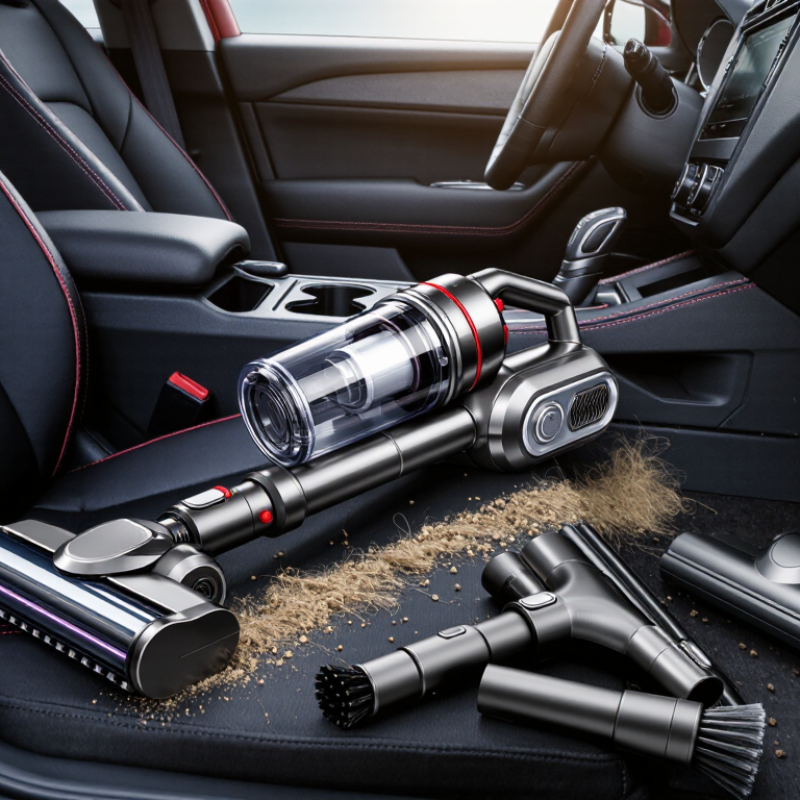
A car vacuum cleaner is a compact device built for tight spaces, fabric seats, floor mats, and storage pockets. It uses suction to remove sand, crumbs, hair, and fine dust. Good models combine a sealed airflow path, washable filtration, and narrow tools for seams. That detail matters. A strong motor alone does not guarantee cleaner air.
The U.S. Environmental Protection Agency reports that indoor pollutant levels can be two to five times higher than outdoor levels, and sometimes much higher. Its report does not measure vehicle cabins directly, so applying the figure to cars requires caution. Still, a closed cabin collects dust quickly, especially when windows remain shut. In practical use, I would inspect the filter seal, emptying method, cord length, and battery runtime before trusting peak suction claims. Short tests can look impressive.
S&P Global Mobility reported an average U.S. vehicle age of about 12.6 years in 2024. Older interiors often have worn fabric, cracked seams, and deeper debris pockets. Choose a vacuum with adjustable power and a soft brush, not only a narrow nozzle. ASTM F1977 offers a recognized method for testing vacuum filtration performance, but test results may not reflect daily car cleaning. A five-minute cleaning routine is realistic. Perfect cleaning is not.
Your car’s mess should determine the vacuum type. AAA Foundation research estimates that Americans spend about 17,600 minutes in vehicles each year. That makes seat dust, food crumbs, and pet hair more than minor annoyances.
For light weekly cleaning, choose a compact cordless vacuum with a crevice tool. It fits the glove box and handles dashboard edges, cup holders, and floor mats.
For family cars, stronger airflow matters more than flashy attachments. A corded 12-volt model can provide steady power during longer cleaning sessions.
A portable wet-and-dry vacuum suits muddy shoes, drink spills, and damp floor mats. However, confirm its liquid-use rating before collecting moisture.
Do not guess here. A dry-only machine can suffer serious damage.
Pet owners should look for a motorized brush and a sealed filtration system. Fine hair often hides between seat seams.
The U.S. Environmental Protection Agency reports indoor pollutant levels can run two to five times higher than outdoor levels, although vehicle cabins differ. This still supports removing trapped dust regularly.
ASTM F558 offers a recognized method for comparing vacuum air performance. Check airflow or suction data, not only advertised wattage.
I once chose a lighter model and regretted its weak brush head. Convenience helped, but it could not lift embedded grit.
How to Choose a Car Vacuum Cleaner in 2026?
Suction performance depends on more than a high kPa number. Check whether the test used the same nozzle, filter, and battery condition. A sealed airflow path keeps power from leaking around loose joints. In my experience, a narrow crevice tool often cleans seat rails better than maximum suction. A motorized brush helps lift sand from fabric, but it can drain the battery quickly. My first choice was too powerful on paper and disappointing under a car seat.
Filtration matters when dust, pollen, and fine particles return through the exhaust. Look for a sealed multi-stage system with a washable prefilter and a replaceable fine filter. A HEPA-rated filter can help, but only if the housing seals properly. Read the maintenance instructions carefully. A clogged filter makes suction fall and increases motor strain. Battery labels can also mislead. Voltage alone does not show useful runtime. Check minutes with the main motor and powered brush running. Fifteen minutes may be enough for a small vehicle, but not for deep cleaning. Swappable batteries, clear charge indicators, and thermal protection add practical value. Still, extra features can increase weight. Hold the cleaner for several minutes before deciding. Mine felt comfortable at first, then awkward around the pedals. That small detail changed my judgment.
| Feature | What to Look For | Recommended Practical Range | Why It Matters | How to Evaluate It |
|---|---|---|---|---|
| Suction pressure | A clearly stated maximum suction figure, preferably measured in kilopascals (kPa). | Approximately 8–15 kPa for routine car cleaning; higher values can help with embedded grit. | Higher pressure helps lift sand, crumbs, and dirt from carpet fibers, but it does not alone determine cleaning performance. | Compare products using the same test method. Do not compare kPa with air watts as if they were identical measurements. |
| Airflow | Air movement reported in litres per second (L/s) or cubic feet per minute (CFM). | Around 10–20 L/s or roughly 20–42 CFM is a useful target for portable car vacuums. | Airflow carries loosened debris through the nozzle and helps maintain performance as the dust container fills. | Check whether the measurement is taken at the nozzle or at the motor outlet; nozzle airflow is more useful for real-world comparison. |
| Air watts | A combined measure of suction pressure and airflow, when tested under a defined standard. | Use the figure only when the testing conditions are disclosed; there is no universal consumer standard for all handheld models. | It can provide a more complete performance indicator than motor wattage alone. | Avoid selecting a vacuum solely because it has a high electrical input rating. |
| Motor power | Electrical input in watts (W), considered together with suction and airflow data. | Approximately 80–150 W is common for compact cordless models, but efficiency varies substantially. | Power consumption indicates energy use, not guaranteed cleaning strength. | Give priority to measured suction, airflow, runtime, and nozzle design rather than wattage alone. |
| Filtration level | A washable multi-stage filter with a fine-particle or HEPA-rated final filter. | A genuine HEPA H13 filter is rated to remove at least 99.95% of the most penetrating particles under the applicable test conditions. | Fine filtration reduces the amount of dust and allergen-sized particles released back into the cabin. | Check the filter standard, test conditions, replacement availability, and whether the housing is properly sealed. |
| Filter sealing | A gasketed dust container and sealed path between the nozzle, filter, and exhaust. | Prefer designs described as fully sealed or whole-machine sealed. | A high-grade filter cannot perform effectively if unfiltered air bypasses it through gaps. | Look for a continuous seal, secure filter locking, and minimal dust leakage when the container is emptied. |
| Battery capacity | Battery energy in watt-hours (Wh), calculated as volts multiplied by amp-hours. | Approximately 40–80 Wh is a practical range for a compact cordless car vacuum. | Wh is more useful than amp-hours alone because it accounts for battery voltage. | Calculate estimated runtime with: Runtime in hours ≈ battery Wh ÷ average power draw in W. |
| Runtime | Separate runtime figures for standard and maximum power modes. | At least 20 minutes of usable standard-mode runtime; 10–15 minutes on maximum power is generally adequate for spot cleaning. | Maximum suction often reduces runtime significantly, especially when the motorized brush is active. | Check test results with the actual nozzle attached rather than relying only on idle motor runtime. |
| Charging time | The time required to recharge from empty to full. | Approximately 2–4 hours is convenient for regular use; USB-C charging improves flexibility. | Long charging times can make the vacuum unavailable when an immediate cleanup is needed. | Confirm whether the supplied charger supports the advertised charging time and whether pass-through charging is allowed. |
| Dust-container capacity | A transparent, easy-release container with enough volume for the entire cabin. | Approximately 0.3–0.7 L balances compact size with fewer emptying cycles. | A very small container may restrict airflow when filled with hair, sand, and debris. | Check the usable capacity, one-handed release, dust-contact control, and whether the container is washable. |
| Weight and balance | Total operating weight and the position of the battery and motor. | Around 0.7–1.5 kg is comfortable for most handheld car-cleaning tasks. | Good balance reduces wrist fatigue when cleaning seats, dashboards, and vertical door panels. | Hold the vacuum with the longest nozzle attached and test whether the grip remains comfortable. |
| Nozzle and attachments | A crevice tool, soft brush, wide upholstery nozzle, and optional flexible hose. | At least 3 useful attachments covering narrow gaps, fabric, and delicate surfaces. | The nozzle controls contact area and airflow concentration, often affecting results more than small motor-power differences. | Ensure attachments lock securely and can reach between seats, under rails, and around cup holders. |
| Noise level | Sound pressure measured in decibels (dB), ideally tested at a stated distance. | Below 75 dB is preferable for a more comfortable user experience. | Noise does not directly measure suction, but excessive sound can make longer cleaning sessions unpleasant. | Compare measurements taken at the same distance and power mode; manufacturer figures may not use identical methods. |
| Maintenance and replacement parts | Washable filters, accessible seals, and replacement filters or batteries that can be obtained separately. | A filter that can be cleaned and replaced at regular intervals; washable does not mean maintenance-free. | Blocked filters reduce airflow, increase motor load, and may shorten battery runtime. | Review the cleaning instructions, drying time, replacement cost, and battery service policy before buying. |
Portability matters when cleaning narrow footwells and awkward gaps. Choose a compact vacuum that feels balanced in one hand. A long cord helps in larger vehicles, while a rechargeable model reduces setup time. However, battery weight can make wrist fatigue noticeable. I once chose the lightest model and regretted its weak reach. Test the hose length, handle grip, and storage size before buying.
Attachments should match real messes, not just look impressive. A crevice tool reaches between seats, while a soft brush lifts dust from dashboards without scratching surfaces. A wide nozzle handles mats and loose crumbs faster. Wet cleaning requires a clearly labeled system and suitable filters. Never assume a standard dry vacuum can safely collect liquid. That mistake can damage the motor and create electrical risks.
Noise is easy to underestimate. A loud motor may discourage quick cleaning, especially inside a closed garage. Look for measured noise information, not vague claims. Maintenance also affects long-term performance. Washable filters reduce replacement costs, but they must dry completely before reuse. Empty the dust container after each session, and inspect blocked air paths monthly. Check whether spare filters are available through reliable sellers. This is less exciting than suction power, but often more important. My own comparison notes became inconsistent because I tested one vacuum with a full filter. Repeat tests under similar conditions for fairer results.
Choosing the best car vacuum starts with your real cleaning habits, not impressive specifications. S&P Global Mobility reported that the average U.S. light vehicle reached 12.6 years in 2024. Older interiors often need deeper cleaning around seat rails, carpets, and door pockets. AAA’s 2024 Your Driving Costs report estimated average annual vehicle ownership costs at $12,297. A practical vacuum should protect that investment without consuming an unreasonable share of your maintenance budget. For occasional crumbs, a compact model under $70 may be enough. Pet hair, sand, or frequent family travel may justify spending $100 to $180.
Look for usable suction, a washable filter, and a crevice tool. Battery runtime matters more than peak power. Ten honest minutes can outperform a model with a longer advertised runtime but weak pickup. IEC 62885-2 provides standardized methods for testing dry vacuum performance, yet household results can still differ. Dusty carpets, low battery charge, and clogged filters change everything. My first mistake was trusting maximum suction numbers alone. They looked impressive, but the narrow nozzle cleaned slowly.
Tips: Compare total cost, not only the purchase price. Include replacement filters, charging accessories, and warranty coverage. Test whether the vacuum fits beneath your seats. A heavy unit may become frustrating after several minutes. Choose a sealed filtration design if fine dust bothers you. Still, “premium” does not always mean better for your car. A modest vacuum with strong attachments may be the wiser choice.