What is a Fan Heater and How Does It Work?
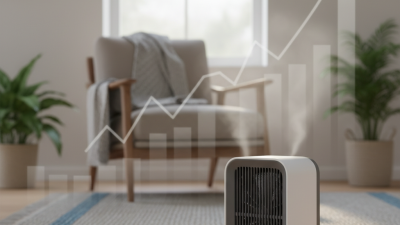
In the chilly months, a reliable heating solution is essential. Fan heaters have become a popular choice for many households. According to heating expert Dr. Emily Harrison, "A fan heater provides quick warmth when you need it most." These devices are designed to circulate warm air rapidly, creating a cozy environment.
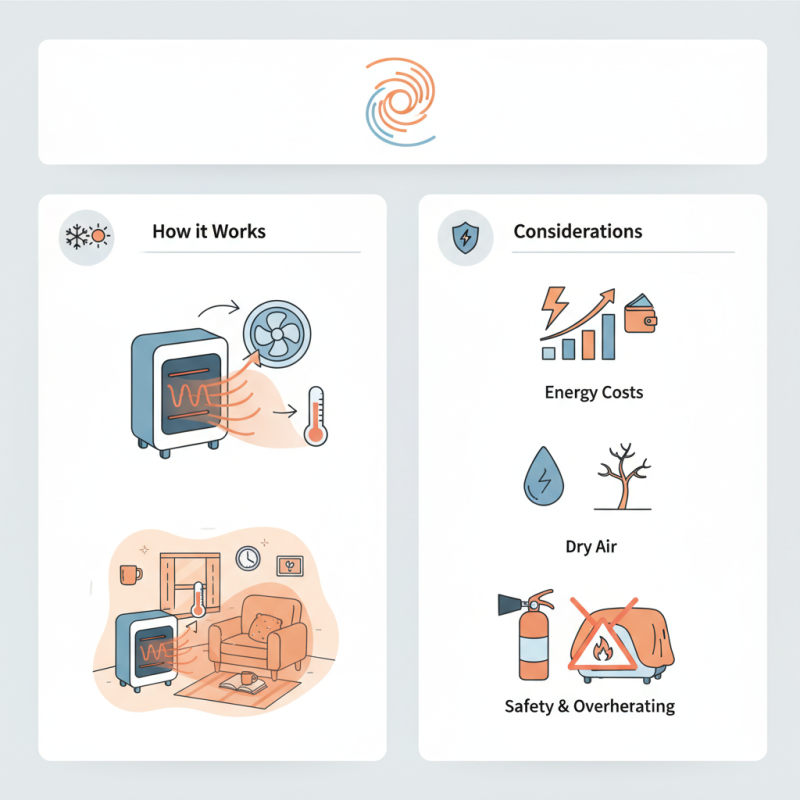
Fan heaters operate on a simple principle. They draw in air, heat it with an internal element, and then blow it back into the room. This is an efficient method, especially for small spaces. The convenience and immediacy of warmth are appealing. However, there are nuances to consider. Over-reliance on fan heaters can lead to dry air and increased energy costs.
Understanding how a fan heater works is crucial for optimal use. Users should also be aware of safety measures to prevent overheating. Despite their benefits, a fan heater requires careful handling. By knowing the strengths and limitations, you can enjoy the warmth they offer responsibly.
What is a Fan Heater?
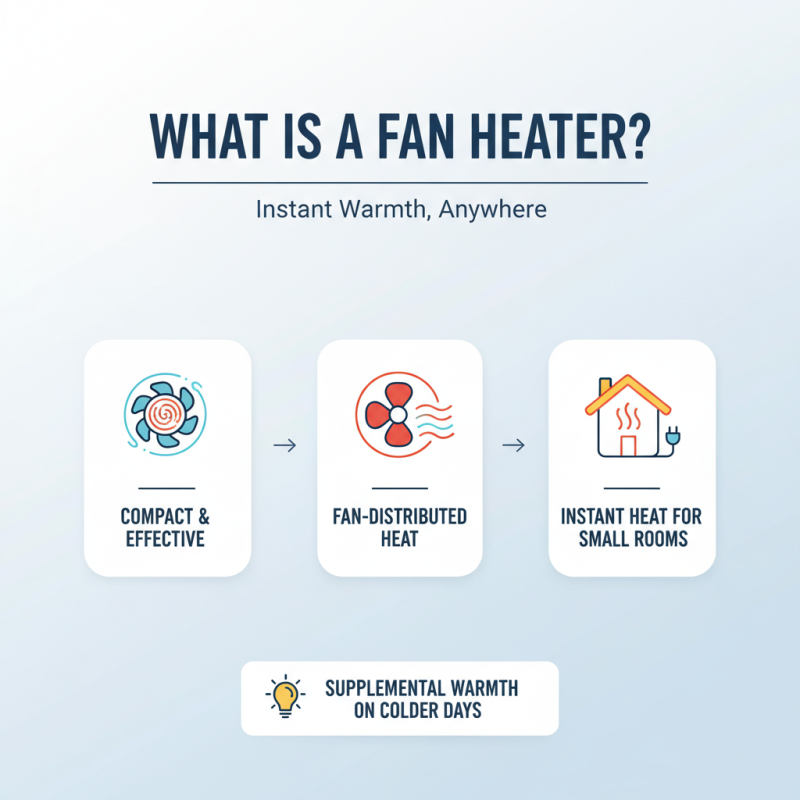
A fan heater is a compact and effective device used to warm up spaces quickly. Unlike traditional heating systems, it uses a fan to distribute warm air. This makes it an appealing choice for those who need instant heat. Many people use them in smaller rooms or as supplemental heating options on colder days.
These heaters work by drawing in cool air from the room. The air then passes over a heated element. The fan blows the warm air back into the room, creating a cozy atmosphere. Some fan heaters come with adjustable settings. This allows users to control the temperature based on their comfort levels.
While fan heaters are generally safe and easy to use, they do require attention. Overheating can occur if they are used for long periods without rest. It's essential to keep them on a flat surface and away from flammable items. Regularly checking the device for dust accumulation is also important. This ensures optimal performance and safety for the user.
Components of a Fan Heater
A fan heater is a popular heating device that distributes warm air in a room. It consists of several key components that work together to deliver comfort during colder months. The main parts include a fan, heating element, thermostat, and housing.
The fan is crucial. It pulls in cold air and pushes out the warm air created by the heating element. The heating element usually consists of metal coils. When electricity passes through these coils, they heat up and radiate warmth. The thermostat helps regulate the temperature by turning the heater on and off as needed.
Tips: Always keep your fan heater clean. Dust buildup can reduce efficiency. Also, ensure the heater is placed in an open area for better airflow. Avoid covering it with fabrics, which can pose fire hazards.
Connect the unit to a reliable power source to prevent malfunctions. If your heater does not heat effectively, check for blockages in the air vents or inspect the thermostat settings. Regular maintenance can extend the heater's lifespan and improve its performance.
How Fan Heaters Generate Heat
Fan heaters are widely used for quick heating in homes and offices. They generate heat primarily through the use of electrical resistance. When the device is powered on, an electric current runs through a resistive element. This element heats up and causes the surrounding air to warm. The heated air is then circulated by a fan, which disperses warmth throughout the room.
According to the U.S. Department of Energy, fan heaters can reach near 100% efficiency. They convert nearly all the electricity they consume into heat. However, they excel mainly in small, enclosed spaces. In larger areas, their effectiveness diminishes. Industry reports indicate that while fan heaters can heat a small room rapidly, relying solely on them for larger spaces might be inefficient.
However, users should consider the noise level. Some fan heaters can produce noticeable sound, which may be distracting. Additionally, safety is a concern; overheating can pose risks. Regular maintenance, such as cleaning dust from vents, can enhance safety and efficiency. Understanding these nuances ensures that fan heaters serve their purpose effectively while minimizing drawbacks.
Benefits of Using a Fan Heater
A fan heater is a popular choice for quick heating needs. It works by drawing in cold air, warming it with heating elements, and then blowing the warm air back out. This process allows for efficient heating in small to medium-sized rooms.
Using a fan heater comes with several benefits. They are portable, lightweight, and easy to move around. This makes them ideal for both homes and offices. Additionally, fan heaters can provide immediate warmth, making them perfect for those chilly mornings. They are generally energy-efficient, allowing you to save on heating costs when used selectively.
When using a fan heater, consider these tips. Place it on a flat, stable surface for optimal performance. Keep it at least three feet away from flammable materials. Be aware of how long you run it. Overuse can lead to overheating. Measure the space you want to heat beforehand to ensure you get a heater with the right capacity.
Remember that safety is key. Regularly check the fan and heating elements for any signs of wear. If you notice any unusual sounds or smells, discontinue use immediately. This proactive approach can help prevent accidents and ensure you benefit fully from your fan heater.
Safety Features in Fan Heaters
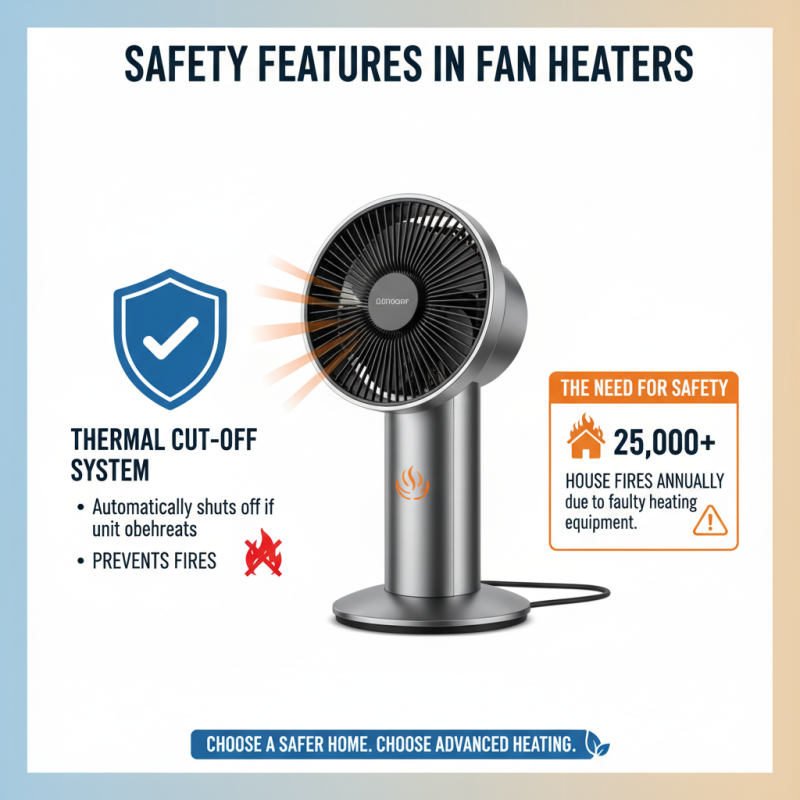
When choosing a fan heater, safety features are paramount. These devices often include thermal cut-off systems. If the unit overheats, this feature turns it off automatically, preventing potential fires. Research shows that over 25,000 house fires occur each year due to faulty heating equipment. This statistic highlights the need for advanced safety mechanisms in modern heating solutions.
Another key feature is tip-over protection. If the fan heater accidentally falls over, this mechanism shuts it down instantly. This is crucial for homes with children or pets. According to the National Fire Protection Association, tip-over incidents account for about 10% of heating-related fires. Regular maintenance and checks are essential to ensure these safety features function properly.
Tips: Always place your fan heater on a flat, stable surface. Avoid using extension cords with these devices. Keep the heater away from flammable materials, like curtains or bedding. These simple precautions can make a significant difference in ensuring safety. Regularly inspect the power cord for wear and tear, as this is a common cause of malfunctions. Safe practices are equally important as the technology within the heaters. Engaging in regular discussions about heating safety can help raise awareness in your community.