Fan Heaters are compact appliances designed to warm indoor spaces quickly. They draw cool room air through an inlet, pass it across an electric heating element, and push the warmed air outward with a small fan. This process feels immediate. You can often sense the heat within seconds.
Heating engineer Richard Trethewey offers a useful principle: “Heat should be controlled, not merely produced.” That idea explains why modern Fan Heaters use thermostats, thermal cut-outs, and airflow sensors. The thermostat monitors room temperature and reduces heating when the selected level is reached. A thermal cut-out can interrupt power if internal temperatures rise too far. These safeguards matter near curtains, bedding, or crowded furniture.
Still, convenience can encourage careless use. A fan heater may warm a desk area, but it does not heat an entire home efficiently in every situation. Its exposed airflow can also spread dust, creating a dry smell when the element becomes hot. That smell is not always dangerous, yet it should not be ignored.
The following guide will examine how Fan Heaters operate, what their main components do, and where their limitations appear. It will also consider energy use, room placement, maintenance, and everyday safety. Some explanations are simplified. Real performance changes with insulation, room size, and thermostat accuracy. That uncertainty deserves attention, because a device that feels powerful may still waste electricity. Understanding the mechanism helps users choose sensible settings and recognize when a familiar appliance needs cleaning, inspection, or replacement.
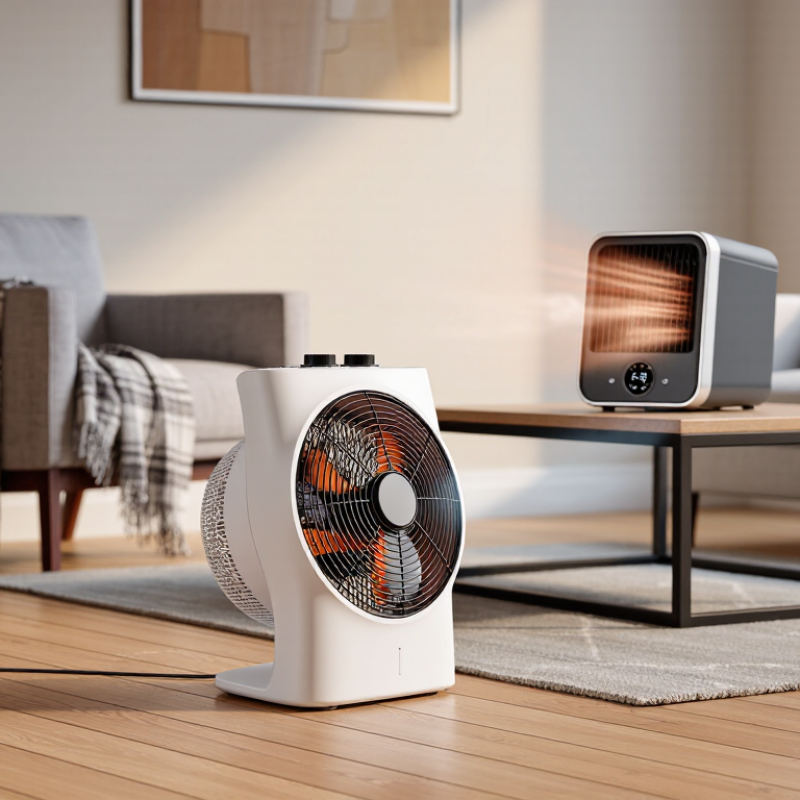
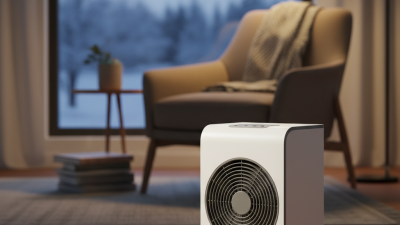
A fan heater is a compact appliance that warms air with an electric heating element. It starts quickly. It uses a fan to move room air across that hot element. The warmed air then leaves through an outlet grille and circulates around the space. Unlike a passive radiator, it produces noticeable airflow and heat within minutes. That speed is useful in small rooms, although airflow can feel dry or uneven.
Its main parts work as one system. The heating element converts electrical energy into heat. Common elements use metal resistance wires or ceramic materials. The motor spins fan blades behind the element. The housing supports these parts and guides air through internal channels. An inlet grille allows cooler air to enter. An outlet grille spreads heated air while limiting contact with hot components. Controls set power, temperature, and sometimes fan-only operation.
A thermostat monitors temperature and cycles the element on and off. The fan is central. Many models also include a thermal cutoff that interrupts power during overheating. A tip-over switch may stop operation if the unit falls. These safeguards reduce risk, but they do not replace careful use. Keep grilles clear, and leave space around the heater. Dust may restrict airflow, while a worn control can behave unpredictably. I would not assume a quiet heater is automatically efficient or safe. Checking the cord, grille, and operating instructions remains sensible.
Typical heating output at common electrical power settings
A fan heater uses an electrical heating element to convert electrical energy into heat, while a fan moves air across the element and distributes the warm air into the room. Because resistance heating converts nearly all consumed electrical energy into heat, a 1,000 W setting produces approximately 1,000 W of heat, with small differences caused by the fan motor and control electronics.
A fan heater uses electricity to warm air and move it around a room. Inside, a heating element, often made from resistance wire, heats rapidly when current passes through it. The fan then pulls cooler room air through the unit. That air passes over the hot element and leaves through the front grille as a steady stream of warm air. The process is simple and fast.
Air distribution depends on fan speed, outlet direction, and room layout. A higher fan setting usually spreads warmth farther, but it can also feel drafty. Warm air naturally rises, so placing the heater low helps push heat into the occupied space. Keep the grille clear, because blocked airflow can increase internal temperature and trigger an automatic safety cutoff. Some models use thermostats that cycle the element on and off, maintaining a selected temperature rather than heating continuously.
From practical use, a fan heater warms a nearby area quickly, especially beside a desk or chair. It does not heat every corner evenly in a large room. Cold walls, open doors, and poor insulation can reduce its effect. I once expected a small heater to warm an entire room evenly; that assumption was wrong. Energy use also rises when the element runs for long periods. A stable surface, clear space around the heater, and regular dust removal support safer operation. Still, instructions vary, and relying on general advice alone is not enough.
| Data Dimension | Typical Information | How It Affects Heating |
|---|---|---|
| Basic Definition | A fan heater is a compact electric heater that uses a fan to move air across a heating element. | It combines heat generation and forced-air circulation in one appliance. |
| Heat-Producing Component | An electrical resistance element, commonly made from resistance wire or a positive-temperature-coefficient ceramic element. | Electrical energy is converted into heat as current passes through a material with electrical resistance. |
| Fan Function | A small motor-driven axial or centrifugal fan draws room air into the heater and pushes it over the hot element. | Moving air improves heat distribution and reduces the time needed to warm a small area. |
| Typical Electrical Input | Many household fan heaters are rated between approximately 1,000 W and 2,400 W, depending on the model and electrical system. | Higher input power can produce more heat, but it also increases electricity consumption. |
| Heat Output Principle | Resistance heaters convert nearly all of the electricity consumed at the appliance into heat at the point of use. | The practical difference between models is mainly related to power level, airflow, controls, and heat distribution rather than resistance-heating efficiency. |
| Airflow Path | Cooler room air enters through an intake grille, passes across the heating element, and exits through a warm-air outlet. | The directed airflow carries thermal energy from the element into the room. |
| Operating Modes | Common settings include fan-only, low-heat, high-heat, and thermostat-controlled operation. | Lower heat settings reduce electrical demand, while fan-only mode circulates air without intentional heating. |
| Thermostat Control | A mechanical or electronic thermostat cycles the heating element on and off to maintain a selected temperature range. | It helps prevent continuous heating after the room reaches the set temperature, although the fan and controls may still use some electricity. |
| Temperature Regulation | PTC ceramic elements increase electrical resistance as their temperature rises. | This characteristic can limit the element’s temperature rise and provide self-regulating behavior, but it does not remove the need for safety controls. |
| Safety Protection | Typical protections include overheat cut-off, a thermal fuse, and a tip-over switch on models designed with that feature. | These controls can interrupt power when excessive temperature or unsafe positioning is detected. |
| Heating Speed | Warm air is produced within seconds after the heating element is energized. | Fan-assisted convection provides rapid local warming, although the time required to heat an entire room depends on room size, insulation, and outdoor temperature. |
| Best-Suited Use | Short-term or supplemental heating in small rooms, workspaces, bathrooms designed for heater use, or occupied zones. | The focused airflow is useful for personal comfort but may be less economical for continuous whole-building heating. |
| Important Usage Precautions | Keep air inlets and outlets clear, place the heater on a stable nonflammable surface, keep combustible materials away, and follow the appliance’s instructions. | Unrestricted airflow and safe placement help reduce overheating, fire, and electrical hazards. |
Note: Electrical ratings, airflow, controls, and safety features vary by heater design and local electrical standards.
Fan heaters warm a room by passing air over a heated element, then pushing it outward with a small fan. Their compact design suits bedrooms, offices, and chilly corners. The heating element determines their speed, noise, energy use, and surface temperature.
Coil fan heaters use a metal resistance wire that becomes hot quickly. They usually provide strong airflow, but exposed coils can glow and feel intensely hot.
Ceramic fan heaters use PTC ceramic plates. These plates regulate their temperature as resistance rises, offering steadier heating and improved protection against overheating.
Some models combine a fan with a mica or metal panel. These elements spread heat more gently, although warming may feel slower.
Infrared fan heaters are less common. They warm nearby surfaces directly, while the fan helps distribute heat.
I once assumed every fan heater worked almost the same way. That was too simple. Element design changes comfort noticeably.
Tips: Keep the air inlet clear of curtains, bedding, and dust. Place the heater on a firm, level surface. Check for a thermostat, thermal cut-off, and tip-over protection. A ceramic element may feel safer, but no heater should operate unattended. Clean the grille regularly. Blocked airflow can raise internal temperatures and reduce performance. Consider room size, noise, and heating duration before choosing a model. Celsius or Fahrenheit settings can also prevent accidental overheating.
A fan heater uses an electric heating element to warm air, then a small fan pushes it into the room. This design produces heat quickly, which I notice when cold air gathers near my desk. Most models offer two heat settings, a fan-only mode, and an adjustable thermostat. Some include oscillation, a timer, overheat protection, and a tip-over shutoff. These features improve control, but they do not make careless placement safe.
The thermostat is easy to misunderstand. It usually cycles the element on and off rather than reducing power continuously. Set the dial near your preferred temperature, then adjust it after the room stabilizes. A lower setting can reduce running time, while a higher setting warms the space faster but uses more electricity. The fan-only mode moves air without heating, although it may still consume a small amount of power.
Energy use depends on wattage and operating time. A 1,500-watt heater running for two hours uses about 3 kilowatt-hours. At an electricity rate of 30 cents per kilowatt-hour, that costs roughly 90 cents. Actual costs vary by tariff, insulation, room size, and thermostat cycling. Keep airflow clear, clean dust from the intake, and follow the safety clearance in the manual. I sometimes overestimate thermostat accuracy; a cheap room thermometer can reveal a noticeable difference. That small check prevents guesswork.
Fan heaters are compact appliances that warm air with an electric heating element and circulate it with an internal fan. The fan moves room air across the heated element, then pushes warmer air outward. This creates quick, focused heat in bedrooms, offices, workshops, and small living spaces. However, they usually heat people and nearby air faster than an entire building.
Safe operation starts with placement. Keep the heater on a stable, level surface, at least one metre from curtains, bedding, paper, and furniture. Never cover the air intake or outlet. A clear airflow path reduces overheating and improves performance. Plug the unit directly into a suitable wall outlet instead of using an overloaded extension lead. Stop using it if the cord, plug, casing, or controls show damage. Keep children, pets, and water away from the appliance. Even a cool-looking grille may remain hot inside.
Tips: Clean dust from the grille and intake when the heater is unplugged and completely cool. A soft brush or vacuum attachment works well. Check the safety switch occasionally, if fitted, according to the instructions. Do not open the casing unless qualified to repair electrical equipment. It is easy to underestimate dust buildup. I have found that a heater can sound normal while airflow quietly weakens. If it smells burnt, trips power repeatedly, or overheats, disconnect it and arrange professional inspection. Never leave it running while sleeping or away from home.