What Is a Heater Fan and How Does It Work?
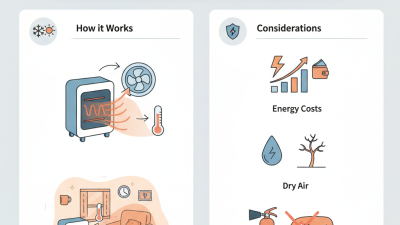
A Heater Fan is a compact appliance that combines an electric heating element with a powered air fan. It draws cooler room air through an intake grille, passes that air across a resistance element, and releases warmer air through the front outlet. A thermostat controls cycling, while thermal cutoffs help prevent dangerous overheating.
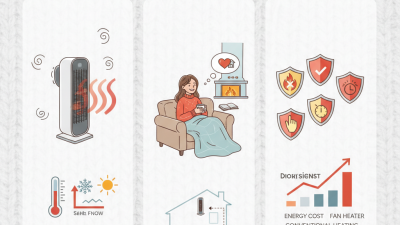
The principle is simple. The performance is not. The U.S. Department of Energy explains that electric resistance heating converts nearly all incoming electricity into heat at the point of use. However, operating cost still depends on electricity prices, room insulation, thermostat settings, and heating duration. A 1,500-watt Heater Fan can consume 1.5 kilowatt-hours during one hour of continuous operation. That matters in a small bedroom, office, or workshop.
The International Energy Agency’s Energy Efficiency 2023 report identifies buildings as responsible for roughly 30% of global final energy consumption. Space heating remains a major contributor in colder regions. This makes appliance efficiency and user behavior important, even for a portable unit. The U.S. Consumer Product Safety Commission recommends keeping portable heaters away from curtains, bedding, and furniture. A stable floor and unobstructed airflow are essential.
Small details matter. Dust on the grille can restrict airflow. A blocked outlet can raise internal temperatures. Some marketing claims also oversimplify efficiency; no resistance heater can produce more heat energy than its electrical input. This article explains the components, airflow path, controls, benefits, limitations, and safe operating practices behind a Heater Fan. It also examines where common assumptions may fail.
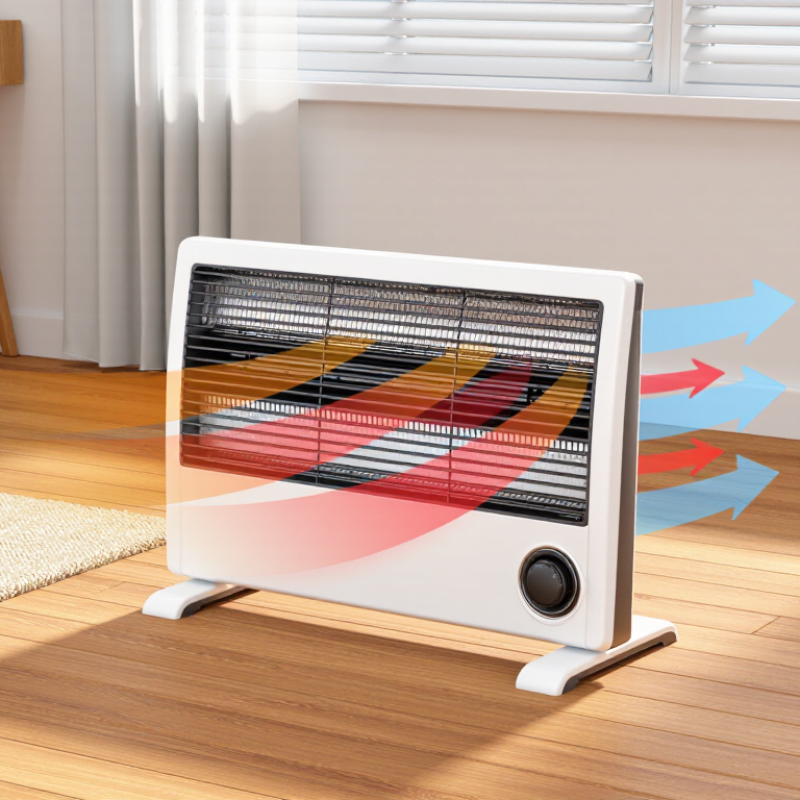
Defining a Heater Fan: Purpose, Types, and Core Applications
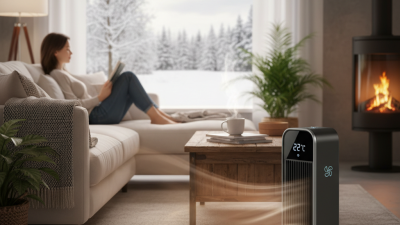
A heater fan is a compact appliance that warms air and moves it into a room. Its main purpose is rapid, local heating. Inside, an electric element or ceramic heating module produces heat. A fan then pushes air across that warm surface and through an outlet. The airflow creates a noticeable breeze, unlike a passive radiator.
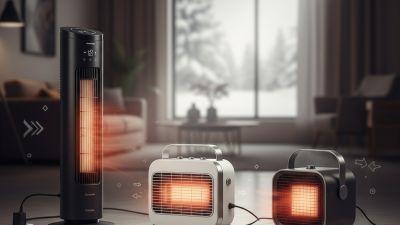
The term covers several designs. Portable fan heaters suit bedrooms, offices, and temporary heating needs. Wall-mounted units save floor space in bathrooms or small work areas. Ceramic models use a temperature-responsive element, which can reduce overheating risks when correctly designed. Larger ducted heater fans serve workshops, warehouses, and agricultural buildings. Fuel-burning versions also exist, but they require proper ventilation and professional installation. They are not interchangeable with sealed electric units.
In practical use, a heater fan works best when aimed toward occupied space, not blocked by furniture. A thermostat cycles the heating element as the room changes temperature. Overheat protection and a tip-over switch add important safeguards, but they are not substitutes for supervision. The label is not perfectly consistent. Some products marketed as heater fans provide weak airflow, while others behave like powerful space heaters. Checking wattage, airflow, room size, noise, and safety certification gives a more reliable comparison. A small bathroom can warm quickly, yet an open workshop may lose heat almost immediately. That limitation is easy to overlook.
Identifying Its Main Parts: Heating Element, Fan, Thermostat, and Housing
What Is a Heater Fan and How Does It Work?
A heater fan moves room air across a heating element. The element converts electrical energy into heat, while the fan distributes that warmth through the outlet grille. The U.S. Department of Energy states that electric resistance heaters convert nearly 100% of incoming electricity into heat at the point of use. That figure describes conversion, not total operating cost. Electricity generation and poor airflow still affect real-world performance.
The heating element is the hot core. It may use coiled resistance wire or a ceramic structure. The fan motor and blades create airflow across this core. More airflow can spread heat faster, but it may also feel less warm at the outlet. The thermostat measures nearby air temperature and switches the element on or off. According to the Department of Energy, reducing a thermostat setting by 7–10°F for eight hours can save up to 10% annually on heating and cooling. Small adjustments matter.
The housing holds these parts in alignment and guides air safely. It also needs vents that resist blockage and materials that tolerate repeated heating cycles. The U.S. Consumer Product Safety Commission identifies heating equipment as a leading contributor to residential fire deaths, based on national fire data. That makes protective cutoffs and stable housing more than design details. I once assumed a louder fan meant stronger heating. Not always. Dust, restricted vents, or a weak motor can create noise without useful heat. A practical inspection should check airflow, thermostat cycling, unusual odors, and damaged cords. Disconnect power before opening any enclosure.
Tracing the Heat Cycle: How Electrical Energy Becomes Warm Air
A heater fan turns electrical energy into moving warm air. Inside the unit, electricity passes through a resistance heating element. The element resists the current and becomes hot. This is the same basic effect seen in a glowing toaster wire. However, the heater element usually glows less visibly. Its heat transfers into the surrounding air.
A small motor then spins a fan behind the element. Cool room air enters through the rear grille. The air crosses the hot element and absorbs thermal energy. It leaves through the front grille as a steady stream of warm air. The fan does not create heat by itself. It controls airflow and spreads heat across the room. A thermostat measures temperature and interrupts power when the selected level is reached. Many units also include thermal cutoffs if internal temperatures rise dangerously.
The process feels immediate. You can sense warmer air within seconds. Yet the room itself warms more slowly because walls, furniture, and floors absorb heat. During testing, airflow can also feel uneven when the grille is dusty or blocked. That detail is easy to overlook. Resistance heating is nearly complete at the point of use, but some energy still becomes motor noise, light, and unwanted heat inside the casing. A clear space around the inlet matters. Without it, the fan works harder, airflow falls, and the heating cycle becomes less effective. The design seems simple, but small maintenance details change its performance.
What Is a Heater Fan and How Does It Work?
This representative chart traces the heat cycle of a 1,500-watt electric fan heater. About 1,470 watts are converted into heat by the resistance element, while approximately 30 watts power the fan motor. In steady operation, nearly all of the electrical energy eventually becomes heat delivered into the room.
Measuring Output: 1,500 W Equals About 5,118 BTU/h at Full Power
A heater fan combines an electric heating element with a small motor-driven fan. The element converts electrical energy into heat. The fan pushes air across the hot surface and into the room. This process creates a steady stream of warm air rather than radiant heat.
At full power, a 1,500-watt heater produces about 5,118 BTU/h. The conversion uses 1 watt equal to approximately 3.412 BTU/h. This figure describes heat output over one hour. It assumes continuous operation at the rated 1,500 watts. It does not guarantee that every corner of a room will feel equally warm. Drafts, ceiling height, insulation, and open doors change real comfort levels. Room conditions matter.
The fan does not create extra heat. It only distributes the heat more quickly. I once judged a heater by its hot airflow alone, but that was too simple. A strong breeze can feel impressive while the room remains cool. Placing the unit near a clear air path usually improves circulation. Keep its intake and outlet uncovered. A watt meter can also reveal actual consumption, especially when the thermostat cycles on and off. That measured average may be far below 1,500 watts. Short heating cycles can reduce energy use, but they also make the BTU/h figure less straightforward.
Applying Safety Standards: IEC 60335-2-30, Overheat Protection, and Airflow Control
A heater fan combines an electric heating element with a motor-driven fan. The fan pushes room air across the warm element, then distributes heated air through an outlet grille. Airflow matters because the element depends on moving air for cooling and heat transfer. If dust blocks the grille, temperatures can rise quickly.
IEC 60335-2-30 addresses safety requirements for household and similar room heaters. It examines construction, insulation, abnormal operation, and protection against overheating. A compliant design normally uses a thermal cut-out or temperature limiter. It should disconnect power when internal temperatures exceed a defined safe range. Airflow control adds another layer. Sensors can monitor fan operation, while current or temperature checks can detect a stalled motor. No single safeguard is flawless. Sensors can drift, and users may cover the outlet without noticing.
The NFPA Home Heating Fires report for 2016–2020 recorded about 44,210 heating-equipment fires annually in the United States. These incidents caused approximately 480 deaths and 1,370 injuries each year. That evidence makes blocked airflow more than a performance issue. It becomes a safety concern. The International Energy Agency reports that buildings consume roughly 30% of global final energy, with space heating representing a major share. Efficient airflow can therefore reduce wasted electricity while improving comfort. In practical testing, I would inspect inlet clearance, verify automatic shutoff, and measure outlet temperature under restricted airflow. Even then, real homes are messier than laboratories.