Choosing the best vacuum cleaner in 2026 starts with your home, not a feature list. A thick rug, shedding pet, narrow stairway, or dusty tile floor can change what works best. This guide looks at practical differences between upright, canister, cordless, and robot models, while helping you match a cleaner to the surfaces you actually have. Small details matter. A heavy machine may feel tiring on stairs, while a cordless model may need recharging before a large home is finished.
Cleaners Vacuum options can differ in suction control, filtration, brush design, battery life, noise, and maintenance costs. Rather than treating one specification as proof of quality, compare several details and check how manufacturers describe their tests. Consider whether filters and replacement parts are easy to find, and whether the dust bin is simple to empty. If allergies are a concern, review the filtration information carefully; no single feature can guarantee relief. There is no perfect pick. Even a capable vacuum can disappoint when it is poorly suited to a home’s floors or cleaning routine.
The sections ahead will explain what to assess before buying, how to compare common vacuum types, and which trade-offs deserve attention. Use your floor plan, budget, and everyday messes as evidence. A comparison chart cannot capture every home, and recommendations may change as products do. That is worth remembering.
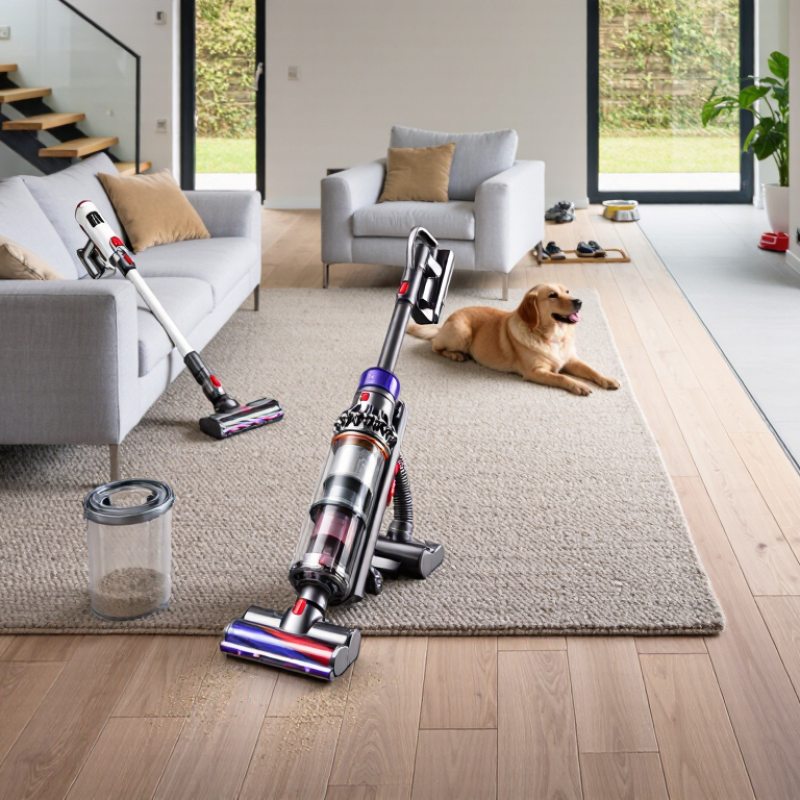
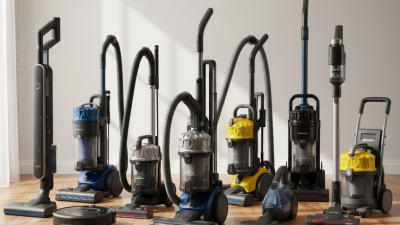
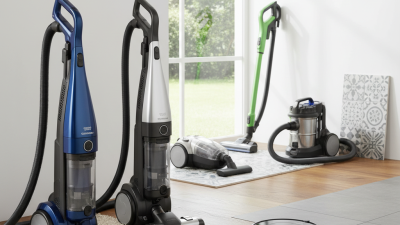
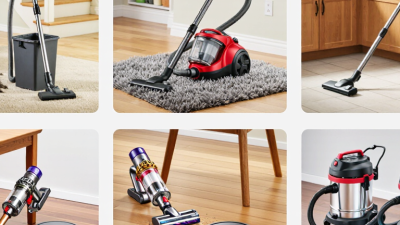
A vacuum’s shape hints at its strengths, but floor type matters more. Upright models suit large carpeted rooms; their wide heads cover ground quickly. Canister vacuums are easier to maneuver around stairs, furniture, and hard floors. Stick models are light and handy for crumbs, though smaller bins mean more frequent emptying. Robot vacuums can handle daily dust, but they may miss corners and thick rugs. Convenient is not the same as thorough.
For wet spills or workshop debris, a wet-dry vacuum is designed for jobs ordinary household models should not handle. Allergy-conscious shoppers should check the whole machine’s filtration and seal, not just the filter label. The U.S. Department of Energy defines HEPA performance as capturing at least 99.97% of particles at 0.3 microns; that figure describes filter performance, not necessarily the complete vacuum.
The Carpet and Rug Institute’s Seal of Approval program evaluates soil removal, dust containment, and carpet appearance retention. Those tests offer useful comparison points.
Still, a powerful model can feel like the wrong choice if it is too heavy for stairs or awkward to store. Measure your space, check the floor-head clearance, and consider where dust will collect. Small details matter.
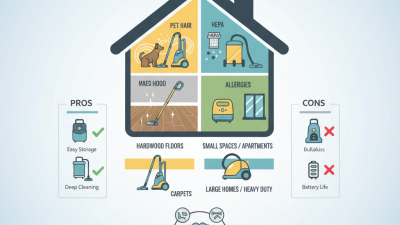
Before comparing vacuum cleaners, map the rooms you clean most. Note floor types, rugs, stairs, and narrow spaces beneath furniture. A compact apartment with hard floors has different needs from a multi-level home with thick carpets. Measure tight storage spots, too. That detail matters.
Choose suction and brush design to match your flooring. Hard floors often need a setting that limits scattered dust, while carpet benefits from a brush roll that can lift embedded debris. Check whether the brush can be switched off or adjusted. If you have pets, consider how easily hair wraps around it and how simple the dust bin is to empty. Small details count. A heavy machine may clean well but become annoying on stairs; test its weight and handle balance if possible.
Think about your cleaning habits, not just your home’s size. A cordless model can be handy for quick crumbs, but battery life may fall short in a larger house. For frequent whole-home cleaning, compare usable runtime with your usual routine, not just the advertised maximum. Check filter care, replacement costs, and noise levels. A quiet machine is useful around sleeping children or pets, though quietness alone does not mean better cleaning. Specifications help, but they can’t predict every awkward corner or tangled rug.
| Home and Cleaning Need | Flooring or Conditions | Vacuum Type to Consider | Useful Features to Look For | Trade-offs to Consider |
|---|---|---|---|---|
| Mostly carpeted rooms | Low-, medium-, or high-pile carpet | Upright or canister vacuum with a powered brush roll | Height adjustment, brush-roll shutoff, adjustable suction, and a carpet-cleaning head suited to the pile | A powered brush can help lift debris from carpet, but may be harder to push on thick pile. Check the vacuum's height and suction adjustments. |
| Mostly hard floors | Wood, laminate, tile, or vinyl | Canister, stick, or upright vacuum with a hard-floor setting | Soft brush or hard-floor head, suction control, and wheels that roll smoothly without scratching | A rotating brush can scatter debris or scratch delicate surfaces if it cannot be switched off. Follow the flooring manufacturer's care guidance. |
| A mix of carpet and hard flooring | Several floor types in the same home | Upright or canister vacuum with a switchable floor head | Brush-roll on/off control, easy floor-head adjustment, and a lightweight wand or hose for edges | Check how easily the vacuum changes between surfaces; some models require changing or repositioning the floor head. |
| Pets that shed | Carpet, rugs, upholstery, and pet resting areas | Vacuum with a powered brush and a motorized or upholstery pet tool | Hair-resistant brush design, accessible brush-roll cleaning, sealed filtration, and a bin or bag that is easy to empty | Hair can wrap around brush rolls and reduce performance. Plan to check and clean the brush regularly. |
| Allergy-sensitive household | Any flooring; dust containment is a priority | Bagged vacuum or a sealed bagless model with high-efficiency filtration | A sealed air path, a filter rated to capture fine particles, and a low-dust bag or bin emptying process | A filter rating alone does not confirm that the whole vacuum is sealed. Check the complete filtration system and follow the filter replacement schedule. |
| Small home or limited storage | Compact rooms, stairs, or little closet space | Lightweight stick vacuum or compact canister vacuum | Small storage footprint, a wall mount or compact dock, and easy-to-reach controls | Some compact models have smaller dust bins or shorter runtimes. Consider whether those limits suit the size of your cleaning tasks. |
| Large home or longer cleaning sessions | Multiple rooms and floor levels | Full-size corded upright or canister; cordless models with a removable battery may also suit | Long cord or adequate battery runtime, a larger dust capacity, and a comfortable handle or wand | Runtime varies with suction setting and floor tool. For cordless models, compare stated runtime with the settings you expect to use. |
| Stairs, furniture, and above-floor cleaning | Stair treads, upholstery, shelves, and corners | Canister vacuum or an upright with a detachable hose and wand | Manageable weight, a long flexible hose, a crevice tool, and an upholstery attachment | Consider how the vacuum is carried and where it rests while cleaning stairs; a heavy unit can be awkward to move. |
| Quick daily pickups | Small spills, crumbs, and frequently used areas | Cordless stick vacuum or a compact handheld vacuum | Fast access, simple emptying, a suitable hard-floor or carpet head, and a convenient charging location | Small bins may need frequent emptying, and battery performance can decline over time. Check battery availability and replacement options. |
| Budget-conscious purchase | Routine cleaning without specialized requirements | Basic upright or canister vacuum matched to the home's main flooring | Reliable floor-head performance, readily available bags or filters, and clear warranty and maintenance information | Compare ongoing costs as well as the purchase price. Specialized attachments and replacement consumables can add expense. |
Compare Suction, Filtration, Capacity, and Power
Choose suction for the surfaces you actually clean. Low-pile rugs and hard floors often need less force than thick carpet. Adjustable settings help prevent rugs from bunching and make cleaning curtains easier. Wattage shows electricity use, not cleaning ability by itself. Check for clear performance information, and compare models using the same test conditions when possible.
Filtration matters if dust or pet dander is a concern. Look for a well-sealed system and a filter suited to your needs; a filter alone cannot stop leaks around the machine. Capacity affects how often you pause to empty the bin or replace a bag. A larger container can be handy in a busy home, but it may add weight. Small details matter.
Tips: Measure storage space and check the vacuum’s weight before buying. If possible, test how easily it turns around a chair leg. Read care instructions, too: clogged filters and full bins can reduce airflow. One easy mistake is choosing the highest power rating without considering noise, handling, or upkeep.
A vacuum can look impressive on paper and still feel awkward in a small room. Check whether its weight, handle, and floor head suit your home. If possible, push it over both rugs and hard floors before buying. Look for adjustable suction, a brush roll that can be switched off, and attachments you will actually use. Extra modes are not automatically useful. A narrow nozzle may reach beneath a sofa, while a bulky body may not fit in your storage cupboard.
Maintenance affects performance over time. Find out how often filters need washing or replacing, and whether the dust container opens without spilling debris. Check the price and availability of replacement parts before you commit. A washable filter can reduce recurring costs, but it still needs time to dry fully. Small details matter. I would be cautious about treating one quick test as decisive; a vacuum that handles crumbs well may struggle with long hair.
Noise is worth checking in person, especially if you clean while others work or sleep. Compare the sound at normal power, not just the quietest setting, which may clean less effectively. Then estimate total cost over several years: purchase price, bags or filters, replacement batteries, and electricity. A cheaper model can cost more to maintain. That adds up. Your actual cleaning schedule matters, too, and it is easy to overestimate how often you will use every attachment.
A 2026 model name does not guarantee a new design. Check the exact model number, release year, and included tools before comparing prices. Retail listings can reuse old photographs or omit regional differences. Look for dated manuals and specification sheets, not just polished product pages. Small details matter: a powered brush, spare filter, or removable battery can change everyday use.
Warranty terms deserve the same attention as suction claims. Read the full document and note the coverage period for the motor, battery, and parts. Check who pays for shipping, whether registration is required, and what counts as normal wear. A long warranty may exclude the component most likely to need replacement. Keep a copy of the terms.
Performance evidence should describe the test, not merely give a score. Look for repeatable measurements on carpet and hard floors, along with fine dust and larger debris. Pay attention to runtime at the setting you would actually use; maximum-power figures can be brief. Numbers can mislead. A clean laboratory test may not reflect hair wrapped around a brush or a full dust bin. I would compare independent tests with owner reports, while remembering that reviews can overrepresent unusually good or bad experiences. If the evidence is thin, treat that uncertainty as part of the buying decision.
A practical framework for comparing current models, warranty terms, and performance evidence.
Suggested evaluation weights—not measured product results or warranty promises. Compare independent pickup tests on the floor types in your home, check filtration claims and test methods, and read each model’s warranty for coverage, exclusions, and service requirements. Confirm runtime and maintenance needs for the exact configuration you plan to buy.