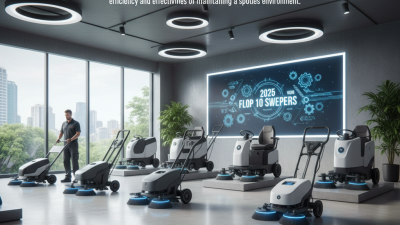
Choosing a Sweeper manufacturer is not just a matter of comparing prices or polished product photos. Buyers need to know how machines perform on real sites, from dusty warehouse aisles to wet factory floors. China has manufacturers serving municipal, commercial, and industrial cleaning needs, but their capabilities can differ considerably.
Useful comparisons look beyond headline specifications. Battery runtime, brush pressure, water capacity, turning radius, and access to replacement parts all affect daily operation. A machine that looks compact online may feel bulky in a narrow corridor. Small details matter. So does support after delivery.
This guide explores leading Sweeper manufacturers in China and the factors that help distinguish them. “Top” can mean different things: broad product ranges, focused engineering, consistent quality checks, or responsive service. There is no single ranking that suits every buyer, and available product information may not reveal the full ownership experience. That uncertainty deserves attention.
When reviewing a manufacturer, compare specifications for the same cleaning conditions, and ask how performance is tested. Request clear warranty terms, parts information, and practical guidance for routine maintenance. If possible, arrange a demonstration using the surfaces and debris found at your site. A polished brochure is not proof of long-term reliability. Nor is a low quote. The right choice depends on your workload, budget, local service options, and expectations. Even a careful comparison can miss something; that is a reason to ask better questions, not to assume every supplier is alike.
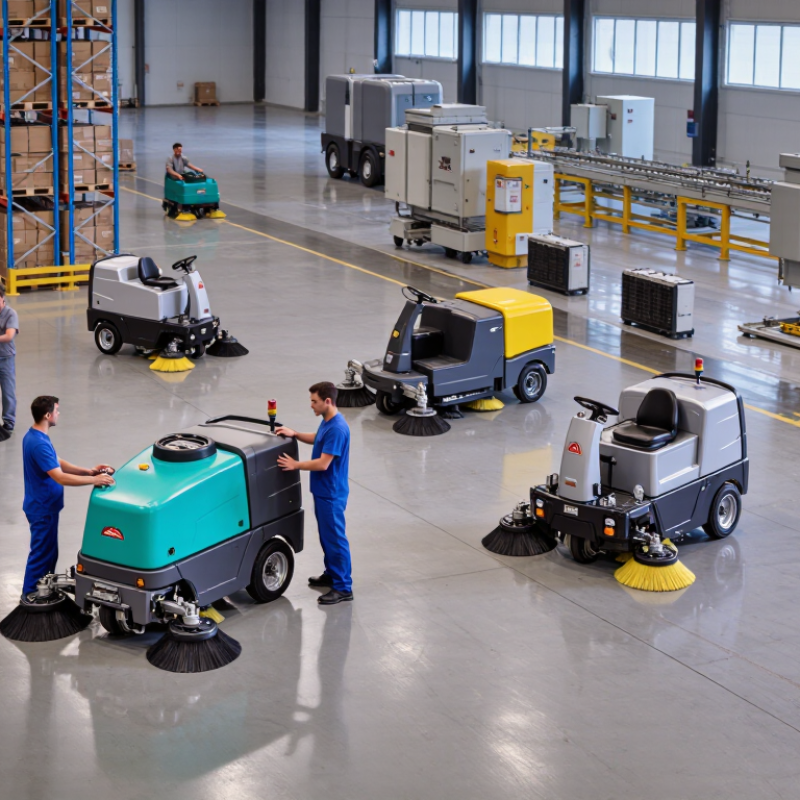
A sweeper is a cleaning machine designed to collect loose debris from floors and paved surfaces. Rotating brushes guide dust, grit, leaves, and small litter toward a collection hopper. Some machines also use suction to capture finer particles. Unlike a floor scrubber, a sweeper mainly gathers dry debris rather than washing away stains. The distinction matters when choosing equipment for a site.
Sweepers are used in warehouses, factories, car parks, streets, and other large areas. In a warehouse, a compact ride-on model can clear dust and packaging scraps from long aisles before they reach machinery or stock. Outdoor units handle leaves and grit across roads and paved yards. Small walk-behind machines can suit tighter spaces. Not every floor is easy. Brush type, debris size, surface texture, and available storage all affect performance. A machine that works well on smooth concrete may struggle with uneven paving or damp leaves. Operators should check filter condition and empty the hopper regularly; otherwise, dust may escape or debris may scatter again. Selection is rarely perfect, so a site trial can reveal problems that a specification sheet misses.
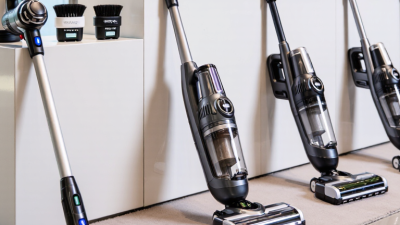
China’s sweeper manufacturing industry is a layered supply chain, not a single factory model. Component makers produce motors, batteries, brushes, filters, control systems, and steel frames. Sweeper manufacturers then assemble these parts into ride-on, walk-behind, or truck-mounted machines. Some focus on complete products; others build equipment to customer specifications. That distinction matters.
Production is often concentrated around industrial regions with access to metalworking, electronics, and logistics suppliers. A buyer may find competitive pricing, but capability varies. One workshop may excel at compact indoor machines, while another handles larger outdoor units. Check the details. Ask how battery capacity, brush pressure, dust filtration, and spare parts are tested. Request service records or sample inspection results where available. A polished specification sheet is useful, but it cannot show every weakness.
The industry also includes export agents, engineering firms, and contract assemblers. These businesses can simplify communication, though the actual production site may be elsewhere. Confirm who controls quality checks and who supplies replacement parts. Lead times can shift when imported components or custom tooling are involved. Even experienced buyers sometimes overlook this. Factory visits, clear acceptance criteria, and a small trial order can reveal more than a sales presentation. No single structure fits every supplier.
What criteria distinguish leading sweeper manufacturers in China? Look beyond purchase price and rated sweeping width. A useful comparison checks dust-control performance, water use, noise, turning radius, and cleaning consistency on wet leaves and fine road dust. Ask for test results under stated conditions, not just a showroom demonstration. Grand View Research’s Street Sweeper Market report projects a 5.0% compound annual growth rate for the global market from 2024 to 2030. That growth makes dependable performance and service support more important than a long feature list.
Examine build quality through practical details: welds around the hopper, hose access, filter replacement time, and protection for electrical connections. Request documented uptime, parts lead times, warranty terms, and evidence of a quality-management system. Then check whether the machine suits local roads, climate, and available service technicians. Small details matter. A unit that cleans well but sits idle for weeks is not a strong choice. One limitation: published tests may not reflect your street conditions. Arrange a site trial, record water and fuel use, and inspect the collected debris. A polished brochure can help, but it cannot replace repeatable field results.
A practical 100-point framework for evaluating manufacturers. The weights below are suggested buyer priorities, not market-survey results or ratings of specific companies.
Compare cleaning performance under your operating conditions, check applicable safety and emissions requirements, and verify service coverage, parts availability, and customization capability before making a decision.
Chinese sweeper manufacturers are notable for serving several distinct needs: municipal road cleaning, warehouse floor care, and compact equipment for shops or stations. The strongest suppliers usually offer practical machine choices, accessible replacement parts, and service support beyond major cities. Look closely at brush wear, water recovery, filtration, and turning radius; these details matter on wet concrete and narrow loading aisles. A polished specification sheet is not enough.
Manufacturing depth is one useful indicator, though it does not prove sweeper quality. The International Federation of Robotics reported 276,288 industrial robots installed in China in 2023, representing 51% of global installations. This points to a large automation ecosystem that can support consistent production and sensor integration. It is not sweeper-specific evidence. Buyers should still request operating-hour tests, noise readings, and demonstrations using their own floor conditions.
Market demand also favors efficient cleaning equipment. Grand View Research valued the global commercial cleaning equipment market at USD 10.42 billion in 2023. Its report identifies floor-cleaning equipment as part of this market. For Chinese suppliers, notable capability therefore means more than low purchase cost: battery endurance, water use, operator visibility, and parts availability should be checked together. One weak point remains easy to miss: after-sales response can vary sharply by region. Ask for service records, not just promises.
Comparing Chinese sweeper manufacturers takes more than checking machine prices. Ask each supplier for the same operating data: sweeping width, hourly coverage, dust-bin capacity, battery runtime, and charging time. Request a live demonstration on concrete with fine dust and small debris. Watch turns and edge cleaning. Details matter.
Inspect how the machine is built. Check brush access, hose connections, frame welds, and whether routine filters can be changed without special tools. Ask for a parts list, warranty terms, service response times, and a realistic spare-parts delivery estimate. Numbers can mislead. A stated runtime may come from ideal conditions, so ask how it changes with a full bin or rough flooring.
Compare more than one factory, and verify that the company can support the exact model you plan to buy. Request references from customers using similar equipment, plus inspection and test records. A tidy showroom is not proof of dependable production. A factory visit helps, but it cannot reveal every issue. I would also compare sample units over several working days, though that takes time and may not reflect every site. Keep the questions and test conditions consistent, so differences are easier to judge.
| Comparison Dimension | What to Compare | Evidence Buyers Can Request |
|---|---|---|
| Product Category | Check whether the manufacturer offers walk-behind, ride-on, or road-sweeping machines. These categories differ in operating method and intended work environment. | Product catalogue, operating manual, and a written description of the model’s intended applications. |
| Cleaning Performance | Compare cleaning width, working speed, debris capacity, and the surfaces or debris types the machine is designed to handle. Treat stated coverage figures as test conditions, not guaranteed results for every site. | Model-specific datasheet and a demonstration using a representative surface and debris type. |
| Power System | For battery-powered models, compare battery chemistry, rated voltage and capacity, charging time, and stated runtime. For engine-powered models, compare the engine specification and fuel consumption information. | Battery or engine specification sheet, charger details, and runtime test conditions. |
| Dust Control | Check whether the model uses dust suppression, filtration, or another dust-control arrangement, and whether that arrangement suits the buyer’s working conditions. | Filter specifications, maintenance instructions, and a demonstration in a suitable test area. |
| Operating Dimensions | Compare machine width, turning space requirements, ground clearance, and access dimensions against doorways, aisles, ramps, and storage areas at the intended site. | Dimensioned drawings and, where relevant, a supervised site-fit check. |
| Safety and Usability | Review visibility, braking, emergency controls, warning devices, operator access, and instructions for safe operation. Requirements can vary by destination market and application. | Operator manual, safety-feature list, applicable conformity documents, and an operating demonstration. |
| Build and Quality Checks | Ask how the manufacturer inspects incoming components, assembly, and finished machines. A quality-management certificate alone does not establish the performance of a specific model. | Documented inspection process, sample inspection records, and permission to inspect or test a finished unit. |
| Spare Parts and Service | Compare parts availability, service response arrangements, troubleshooting support, and the availability of replacement consumables such as brushes and filters. | Spare-parts list, parts lead-time estimates, warranty terms, and written service-contact procedures. |
| Export Readiness | Confirm that the supplier can prepare the documents, packaging, labeling, and electrical or charging configuration required for the destination market and shipment. | Sample shipping documents, packaging details, and market-specific compliance documents applicable to the offered model. |
| Quotation and Total Cost | Compare the same machine configuration and account for accessories, packaging, shipping, duties, training, maintenance, and consumables—not only the quoted machine price. | Itemized quotation, included-accessories list, warranty coverage, and a clearly stated delivery term. |
| Practical Evaluation | Shortlist suppliers based on documented requirements, then compare machines under similar test conditions. A sample test helps reveal whether a model suits the actual site. | Written test criteria covering surface, debris, operating time, cleaning result, and any site-specific constraints. |