What Is a Cordless Vacuum Cleaner?
A Cordless Vacuum Cleaner is a floor-cleaning appliance powered by a rechargeable battery rather than a wall outlet. It draws dust and debris through a motorized airflow system into a bin or bag. Without a trailing cord, it can move from a kitchen tile floor to stairs or a car seat with fewer interruptions. Most models use a stick design, though handheld and convertible versions are also common. Battery capacity, suction settings, filtration, and floor-head design all affect everyday performance. Small details matter: a heavy battery can tire your wrist, while a narrow head may miss crumbs along a cabinet edge.
The market is growing, but that alone does not prove every household needs one. Grand View Research estimated the global vacuum cleaner market at USD 13.70 billion in 2023 and forecast continued growth through 2030. That figure covers more than cordless products, so it should not be read as a cordless-sales total. Still, it reflects sustained demand for home-cleaning appliances. A practical comparison should focus on runtime under realistic settings, charging time, dust-bin capacity, filter maintenance, and replacement-battery availability. Manufacturers’ maximum-runtime claims may use low-power modes; carpets and boost settings can shorten cleaning time. Not a small caveat. A Cordless Vacuum Cleaner can make quick cleanups easier, yet it may not replace a corded machine in every large home. This guide explains how the technology works, what its specifications mean, and which trade-offs deserve a closer look before buying.
What Defines a Cordless Vacuum Cleaner for Household Use?
What Is a Cordless Vacuum Cleaner?
What Defines a Cordless Vacuum Cleaner for Household Use?
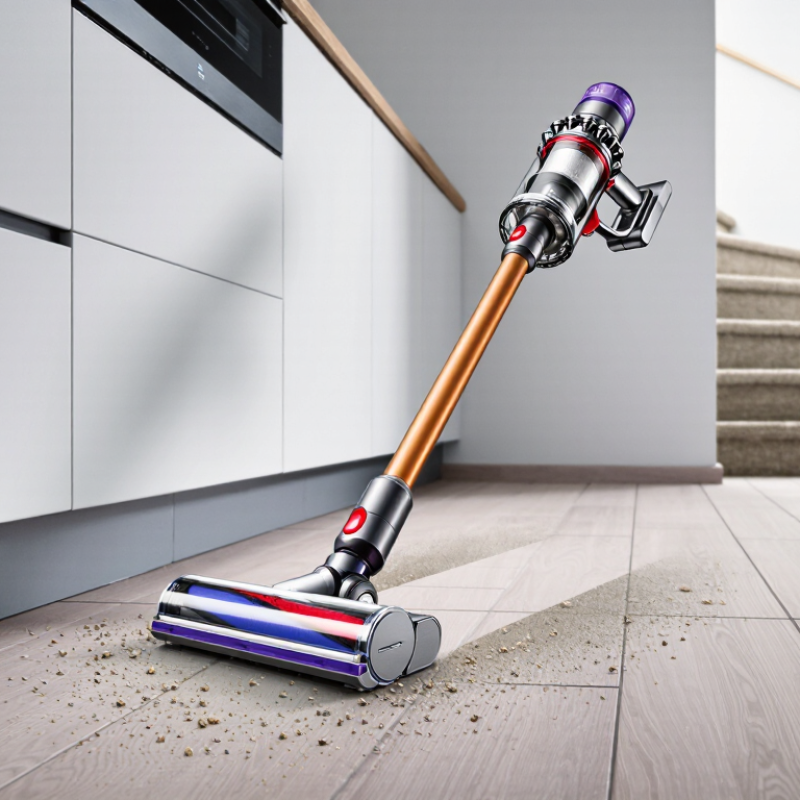
A cordless vacuum cleaner runs on a rechargeable battery, so you can clean without a power cable trailing across the floor. For household use, the term usually describes a machine designed for everyday indoor dust and debris, with a removable dust bin and floor-cleaning head. Stick and handheld formats are common. A useful definition is practical, not absolute: some models handle crumbs well but struggle with grit pressed into a thick rug.
Look beyond the word “cordless.” Battery runtime depends on the selected power mode, floor type, and tool attachment; the highest setting can drain a battery quickly. IEC 62885-2:2021, a professional vacuum-testing standard, specifies performance measurements such as dust pickup on carpet and hard floors, dust re-emission, energy use, and noise. These test categories help explain why one runtime or suction figure cannot describe every home. Check results under conditions close to your own floors, and consider whether the battery can be replaced.
Tips: Try the vacuum on your actual rug and hard floor, if possible. Emptying a small bin can be frequent. That detail matters. A model that feels light in a showroom may also feel tiring when you clean stairs or reach beneath a low sofa.
Which Components Power Suction, Filtration, and Cord-Free Mobility?
A cordless vacuum cleaner uses a rechargeable battery to run a motor and move air through the machine. The motor spins a fan, creating a pressure difference that draws dust into the cleaning head. The battery supplies power; its capacity and condition affect how long the vacuum can run. Many models reduce suction in a high-power mode to conserve energy.
The cleaning head may contain a rotating brushroll, which helps lift hair and grit from carpet fibers. Air carries this debris into a bin, while filters trap fine particles before air exits the vacuum. Seals matter, too. A loose connection can let dusty air bypass the filter. A packed filter or full bin can also restrict airflow, so emptying and cleaning them as directed helps maintain performance. Check that washable parts are fully dry before reinstalling them.
Cord-free mobility comes from the battery, compact body, and lack of a power cable. That makes quick cleanups easier, though the battery adds weight and limits runtime. Not magic. A tidy diagram makes the system look simple, but real floors are messier: hair wraps around brushrolls, and fine dust may clog filters faster than expected. Component layouts and maintenance needs vary, so the manual is the most reliable guide for a specific vacuum.
How Battery Ratings Translate Into Energy: Volts × Amp-Hours = Watt-Hours
A cordless vacuum cleaner runs on a rechargeable battery, so its label can tell you more than its voltage alone. Volts describe electrical pressure; amp-hours describe how much charge the battery can deliver over time. Multiply them to estimate stored energy: volts × amp-hours = watt-hours. For example, a 21.6-volt battery rated at 4 amp-hours stores about 86.4 watt-hours. The calculation is simple. It is also easy to overread.
Watt-hours help compare batteries with different voltage ratings. A 72-watt-hour battery holds less estimated energy than a 90-watt-hour one, even if their voltages differ. But stored energy does not promise a fixed cleaning time. A vacuum drawing more power in high-suction mode can use that energy faster than it does in a lower setting. Carpet, blocked airflow, battery age, and temperature can also affect runtime. Think of watt-hours as a useful estimate, not a stopwatch. Ratings may not reveal how much energy the vacuum can actually use, either. That missing detail can make comparisons feel less precise than the neat equation suggests.
What Is a Cordless Vacuum Cleaner?
How battery ratings translate into energy: Volts × Amp-Hours = Watt-Hours
Watt-hours (Wh) estimate a battery’s nominal energy: multiply its voltage (V) by its capacity in amp-hours (Ah). These examples are illustrative; actual usable energy and runtime vary with battery design, vacuum power settings, and operating conditions.
How IEC 62885-4:2020 Measures Cordless Vacuum Performance
A cordless vacuum cleaner runs on a rechargeable battery instead of a power cable. Its convenience is easy to notice: you can move from a kitchen floor to a stair without finding another outlet. But battery power alone does not show how well a vacuum cleans. IEC 62885-4:2020 provides standardized methods for measuring the performance of cordless dry vacuum cleaners.
Under controlled conditions, tests can assess tasks such as dust pickup from different floor types and how long the appliance operates on a charge. The setup matters. Testers use specified procedures so results can be compared more consistently, rather than relying on a quick pass over a dusty rug. Small details count, including the floor surface, the cleaning head, and how the test is carried out. Conditions matter.
These measurements help readers interpret published performance claims, but they are not a promise of identical results at home. A thick rug, a full dust container, or a high-power setting can change what you experience. Real homes vary. A test standard makes comparisons more useful, not perfect. I would still check which settings and test conditions apply to a reported figure; a runtime number without context can be misleading. That little gap is worth noticing.
Which Cordless Vacuum Types Suit Different Cleaning Tasks?
A cordless stick vacuum suits routine floor care: crumbs beneath a kitchen table, dust along baseboards, and quick passes over rugs. Its upright design is easy to grab, but a full-size model can feel awkward on stairs or inside a car. Check the floor head and battery rating; thick carpet and high suction settings can shorten cleaning time. For small spills and upholstery, a handheld vacuum is lighter and easier to steer around seat seams. It usually has a smaller dust cup, so expect more frequent emptying. Some cordless models convert between stick and handheld formats, which can reduce clutter, though switching parts mid-task gets tedious.
For stairs, furniture, and tight corners, a compact cordless canister or a stick with a detachable hose may offer better reach. Wet-dry cordless models are designed for hard-floor spills, but they are not a substitute for a carpet vacuum. Filtration deserves attention, especially in dusty homes. The U.S. Environmental Protection Agency’s indoor-air guidance notes that indoor pollutant levels can sometimes exceed outdoor levels substantially. A HEPA filter is rated to capture 99.97% of particles at 0.3 microns under standard test conditions, according to the U.S. Department of Energy. That matters. A filter rating alone does not prove the whole vacuum is sealed, so check the manufacturer’s filtration details and replaceable-filter instructions. I would match the machine to the mess, not just the room count. The trade-off is easy to underestimate.