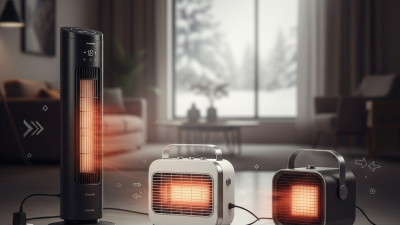
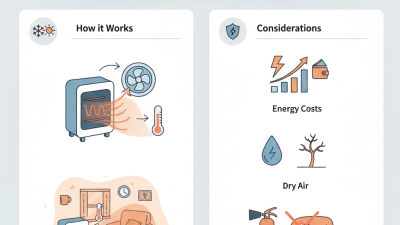
A silent Heater Fan can turn a warm room cold in minutes. The cause may be small: a tripped breaker, a blocked filter, or a thermostat set incorrectly. It may also point to a failed motor, damaged wiring, or a control-board problem. The sound—or sudden lack of it—offers clues, but it cannot confirm a diagnosis.
The U.S. Energy Information Administration’s 2020 Residential Energy Consumption Survey reports that space heating accounts for about 42% of household energy use. That figure covers heating overall, not the fan alone, but it shows why airflow and reliable operation matter. Richard Trethewey, a plumbing and heating expert on This Old House, is known for practical system-maintenance guidance. A careful paraphrase of that approach is: “Check routine maintenance and airflow before assuming a major component has failed.” This is a summary, not a verified verbatim quotation.
Start with safe, visible checks. Is the thermostat calling for heat? Is the filter clogged? Has a breaker tripped? A dusty filter can restrict airflow, while repeated breaker trips deserve professional attention. Don’t open electrical compartments or handle exposed wiring. Some symptoms overlap, and a fan that runs without warm air may have a different cause from one that never starts. That distinction is easy to miss. This guide explains likely causes, simple checks, and when to call a qualified HVAC technician—without pretending every heater behaves the same way.
A heater fan that will not run may leave the cabin cold, but its warning signs can vary. You might hear silence at every speed, or the fan may work only on the highest setting. A brief rattle behind the dashboard can point to debris or a worn blower motor. These clues help narrow the search; they do not confirm a failed part.
Common causes include a blown fuse, a faulty relay, damaged wiring, or a failing blower motor. If only some fan speeds work, the resistor or electronic speed controller may be involved. Weak airflow can also come from a clogged cabin air filter, though that usually does not stop the fan completely. A symptom points in a direction, not to a certain answer. That distinction matters.
Tips: Check whether the fan responds at different settings, and note any unusual sounds. Consult the vehicle manual before checking a fuse, and replace it only with the specified type. If a replacement fuse blows again, stop there; an electrical fault may need professional diagnosis. I would not guess at wiring behind the dashboard. It is easy to overlook a small connection or create a bigger problem.
Before checking a heater fan, park safely and switch the system off. If this is a vehicle, let the engine cool before opening the hood. Keep hands, tools, and loose clothing away from belts and moving parts. Stop if you notice smoke, a burning smell, or damaged wiring. Those signs need professional attention.
Check the simple controls first. Set the fan speed above zero and confirm the vents are not closed. In a vehicle, make sure the engine has had time to warm up; cold air alone does not prove the fan has failed. Look for a blocked cabin air filter if it is easy to access. A layer of dust or leaves can restrict airflow. Keep it simple. It is easy to blame the fan too early.
A fuse may be worth checking, but use the owner’s manual to identify the correct one. Turn the vehicle off before inspecting it, and replace a blown fuse only with one of the same rating. If the replacement blows again, do not keep trying. Avoid removing panels or testing live wiring without the right training. A faint click or weak airflow can offer clues, but it cannot confirm the cause on its own. Sometimes the first check is not enough.
When the heater fan stays still, check its power before suspecting a failed motor. Look at the breaker and the nearby furnace service switch; either may have been turned off. Reset a tripped breaker only once. If it trips again, stop and call a qualified HVAC technician. Start with the basics. The U.S. Energy Information Administration’s 2020 Residential Energy Consumption Survey found that space heating made up about 42% of household energy use. A small control fault can therefore affect comfort and energy use.
Next, inspect the thermostat display. Replace weak batteries if it uses them, select Heat, and set the target temperature above the room temperature. Check the fan setting, too: Auto usually runs the blower during heating cycles, while On should request continuous circulation. Wait two minutes. Some systems delay the blower while the heat exchanger warms, so silence immediately after a thermostat change does not always indicate a fault. This detail is easy to misread.
If the thermostat is blank, or the system still does not respond, its power supply or low-voltage control circuit may need inspection. Do not remove wiring covers or probe live connections. Note any flashing fault lights, unusual smells, or repeated breaker trips, and share those details with a technician. If you smell burning, switch the system off at its service switch and seek professional help.
When a heater fan stops, weak airflow may point to a blocked filter, closed vent, or motor problem. Start with the simple checks. Set the thermostat to heat and raise its setting above the room temperature. Check whether the fan starts after a short delay; many systems do not blow warm air immediately. Turn the heater off before inspecting the filter or vents. A dusty filter can look harmless but restrict airflow enough to make the system overheat and stop the fan.
Tips: Note any humming, scraping, or burning smell. These clues help a technician, but they do not confirm the cause. Don’t reach into the fan housing.
For a closer inspection, switch off power at the unit’s service switch or circuit breaker. Check that the filter is clean and correctly seated, then look for furniture or lint blocking return grilles. If you can see the fan safely, check for visible debris or a loose-looking blade; do not spin it by hand. A motor that hums without turning may have a failed component, but that symptom can be misleading. Stop if wiring is exposed, the motor feels hot, or you notice a burning odor. A qualified technician can test the motor and electrical parts safely.
Use this guide to identify common blower-fan and airflow problems in a home heating system. Checks involving wiring, live electrical parts, or gas components should be handled by a qualified technician.
| What You Notice | Possible Cause | Safe Inspection | What the Result May Indicate | Recommended Next Step |
|---|---|---|---|---|
| The heater runs, but no air comes from the vents. | Blower motor is not starting, the fan control has a fault, or airflow is blocked. | Check that the thermostat is set to heat and the fan setting is appropriate. Check the system’s service switch and circuit breaker without opening electrical panels. | If the system has power but the blower remains silent, the motor, control, or related wiring may need testing. | If the breaker trips again or the blower does not start, turn the system off and contact a qualified HVAC technician. |
| The fan hums or clicks but does not turn. | A motor or starting component may be faulty, or the blower wheel may be obstructed. | Turn the system off at its switch and wait for it to stop. Do not reach into the blower compartment or touch wiring. | A hum without airflow can indicate a stalled fan or an electrical fault; sound alone cannot confirm which part has failed. | Leave the system off and arrange professional inspection. Repeated attempts to start a stalled motor can cause damage. |
| The fan starts and stops frequently. | Overheating, restricted airflow, a control issue, or a failing motor may cause intermittent operation. | With the system off, check whether the air filter is visibly dirty and whether supply and return grilles are open and unobstructed. | A dirty filter or blocked grille can restrict airflow. If airflow is clear and cycling continues, a component or control fault is possible. | Replace a clogged filter with the correct size and type. If cycling persists, have the system checked. |
| Airflow is weak at several vents. | Dirty filter, blocked return, closed dampers, duct leakage, or a blower problem. | Inspect the filter and visible grilles; make sure furniture, rugs, and curtains are not covering them. Check accessible dampers are open. | If airflow improves after clearing an obstruction or replacing a dirty filter, the restriction may have been the cause. | If airflow remains weak, have the ducts, blower wheel, and motor inspected rather than increasing the fan speed yourself. |
| Airflow is weak from only one or two vents. | A closed or partially closed damper, a blocked register, or a local duct issue. | Check that affected registers are open and free of dust or objects. Compare airflow with other rooms while the fan is running. | A problem limited to particular rooms is more consistent with a local airflow restriction than a complete motor failure. | Clear visible obstructions. If the difference remains, request a duct and damper inspection. |
| The blower runs, but the air feels cooler than expected. | The system may be starting its fan cycle, the heat source may not be operating correctly, or airflow may be excessive or restricted. | Confirm the thermostat is in heat mode and allow the system time to complete its normal startup cycle. Check the filter and air grilles. | Fan operation alone does not confirm that the furnace or heat source is producing heat. | If the air stays cool or the system shows a fault indicator, turn it off if needed and contact a qualified technician. |
| The fan makes scraping, rattling, or squealing sounds. | A loose part, debris, worn bearing, or blower-wheel contact may be present. | Switch the system off. Note when the sound occurs and whether it changes with fan operation; do not remove access panels to investigate. | New or worsening mechanical noise can signal a part that needs service. | Stop using the system if the noise is severe, and schedule an inspection before further operation. |
| The fan does not stop after the heating cycle. | A thermostat setting, fan control, or limit-control issue may be involved. | Check whether the thermostat fan setting is set to “On” rather than “Auto.” If safe, select “Auto” and observe the next cycle. | If the fan continues running in “Auto,” a control issue may need professional diagnosis. | Contact an HVAC technician if the fan continues running or the system overheats or shuts down unexpectedly. |
Safety note: Before checking or changing an air filter, follow the heater manufacturer’s instructions and switch the system off if required. Do not bypass safety switches, work on live wiring, or open gas components. If you smell gas, leave the area and contact your gas utility or emergency services from a safe location.
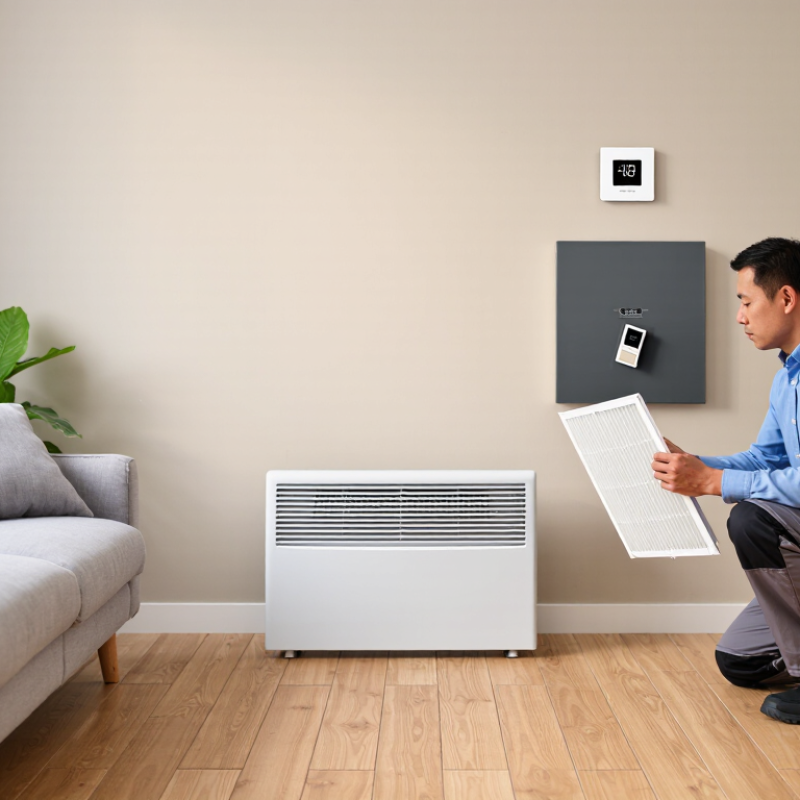
A heater fan that will not start can leave a room cold while the heating system still seems active. Check the thermostat setting and replace its batteries if needed. A clogged filter can restrict airflow and cause some systems to stop the blower. If the filter looks gray and packed with dust, replace it with the correct size. Then wait a few minutes. The fan may not start instantly.
Tips: Turn the system off before changing the filter. Check that supply vents are open and unobstructed. Note any flashing error lights, unusual smells, or clicking sounds. Small details help a technician diagnose the fault. I once assumed a quiet fan meant a failed motor; a blocked filter was the simpler explanation.
Call a qualified heating professional if the fan remains still after these checks, repeatedly stops, or makes grinding or burning smells. A faulty motor, capacitor, wiring connection, or control board may be involved. These parts can carry dangerous electrical voltage, even when the heater seems off. Do not remove internal panels or probe wires yourself. If you smell gas, leave the area and contact your gas provider or emergency services from a safe location.
This is a safety-oriented guide, not a chart of failure rates. Level 1: check thermostat settings, power, filter, and vents. Level 2: arrange a professional diagnosis. Level 3: switch the system off and seek prompt professional help. If you are unsure, follow the equipment manual and do not open energized equipment.