Inquiry
Form loading...
Choosing an Electric Heater Fan supplier in China is not simply a matter of finding the lowest quotation. The right partner depends on your product’s intended use, target market, order volume, and required heating performance. A compact desk heater and a fan heater for a larger room may need different designs, components, and quality checks. Small details count.
This guide explores how to assess suppliers using practical, verifiable signals. Look for clear product specifications, documented quality-control procedures, consistent communication, and experience with similar orders. Ask how the supplier tests temperature control, airflow, noise, and protective features. Request relevant certificates and confirm that they apply to the specific model and destination market. A polished catalogue is useful, but it cannot replace evidence.
“Top” is not a universal label. One manufacturer may suit custom product development, while another may be better prepared for repeat production or smaller trial orders. Compare samples, lead times, warranty terms, packaging, and the supplier’s ability to explain any limitations. A factory visit or independent inspection may also help, where practical.
There is no perfect checklist. Supplier information can be incomplete, and a strong first impression may not predict performance over time. Treat rankings as a starting point, verify claims directly, and document expectations before placing an order. The sections ahead will help buyers make a more informed comparison of Chinese Electric Heater Fan suppliers.

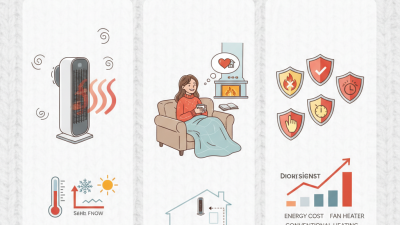
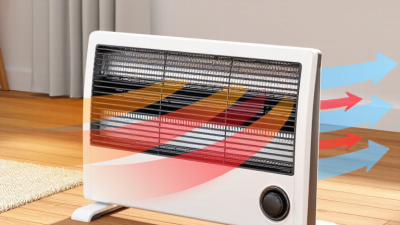
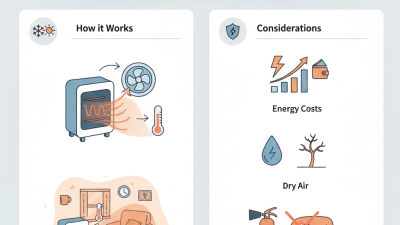
An electric heater fan combines a heating element with a small motor-driven fan. The element warms as electricity passes through it. The fan then moves room air across the warm surface and sends it back into the space. The result is quicker heat circulation than a heater that relies only on natural airflow. Simple in principle.
Different models may use ceramic plates, metal coils, or other resistive elements. Their construction affects warm-up time, airflow, noise, and how evenly heat spreads. A thermostat can switch the element on and off to maintain a selected temperature. Many units also include overheat protection, and some stop operating if tipped over. These features help reduce risk, but they do not make a heater suitable for unattended use.
In practical use, placement matters. Keep the air inlet and outlet clear, and leave space between the heater, curtains, bedding, and furniture. A fan heater can warm a small area quickly, yet it may struggle in a drafty or poorly insulated room. Check the rated power and airflow rather than judging performance by appearance alone. One caveat: specifications cannot predict every room’s comfort. A warm stream beside a chair can still leave the far corner cold. This is easy to overlook.
An electric heater fan warms air by passing it over an electrically heated element and then circulating the air with a fan. The table below outlines common product types and practical criteria for comparing suppliers; it does not rank or identify individual companies.
| Product or Supplier Capability | How It Works or What It Covers | Typical Applications or Benefits | What Buyers Should Verify |
|---|---|---|---|
| Portable fan heater | A fan moves room air across an electric heating element, such as a resistive wire or ceramic heating element. | Portable spot heating for homes, offices, and other indoor spaces; generally quick to provide warm airflow near the unit. | Rated voltage and power, plug and cord specifications, thermostat operation, tip-over protection, overheat protection, and certifications required in the destination market. |
| PTC ceramic fan heater | A fan circulates air over a positive-temperature-coefficient ceramic element. The element’s electrical resistance rises as its temperature increases. | Compact room heaters and other applications where a self-regulating ceramic heating element is used. | Element construction, airflow design, temperature controls, protective devices, noise level, and test reports for the complete product. |
| Resistance-wire fan heater | Air passes over an electrically heated resistance wire or coil and is discharged by the fan. | Portable and fixed heating products where forced airflow and electrical resistance heating are suitable. | Heating-element materials, insulation and spacing, thermal cut-outs, operating temperature, assembly quality, and product-specific safety documentation. |
| Industrial or duct heater with fan | An electric heating element heats air moved through a duct, equipment housing, or industrial airflow system. | Process air heating, equipment enclosures, and other applications designed around controlled airflow. | Required airflow and pressure conditions, power supply, control and sensor compatibility, operating environment, installation requirements, and applicable industrial standards. |
| Product engineering and customization | Supplier services may include adapting the enclosure, controls, electrical configuration, packaging, or product documentation to a buyer’s requirements. | Useful when a product must meet a specific application, market, or private-label specification. | Request written drawings and specifications, sample approval, change-control procedures, ownership terms for custom tooling, and confirmation of who is responsible for compliance testing. |
| Quality control and testing | Production checks and testing can be used to assess assembly, electrical performance, heating operation, and protective functions. | Helps buyers evaluate consistency between approved samples and mass-produced units. | Ask for the inspection plan, test records, traceability practices, defect-handling process, and evidence that reports apply to the exact model being purchased. |
| Export and compliance support | A supplier may provide product labels, manuals, test documentation, and export packaging for the buyer’s target market. | Can support smoother market entry when documentation and product configuration are matched to local requirements. | Verify the destination-market rules independently, confirm certification scope and model numbers, and check that manuals, labels, plugs, and ratings match the shipment. |