Inquiry
Form loading...

Why Choose an Electric Heater Fan for Your Business?

Why Choose an Electric Heater Fan for Your Business?

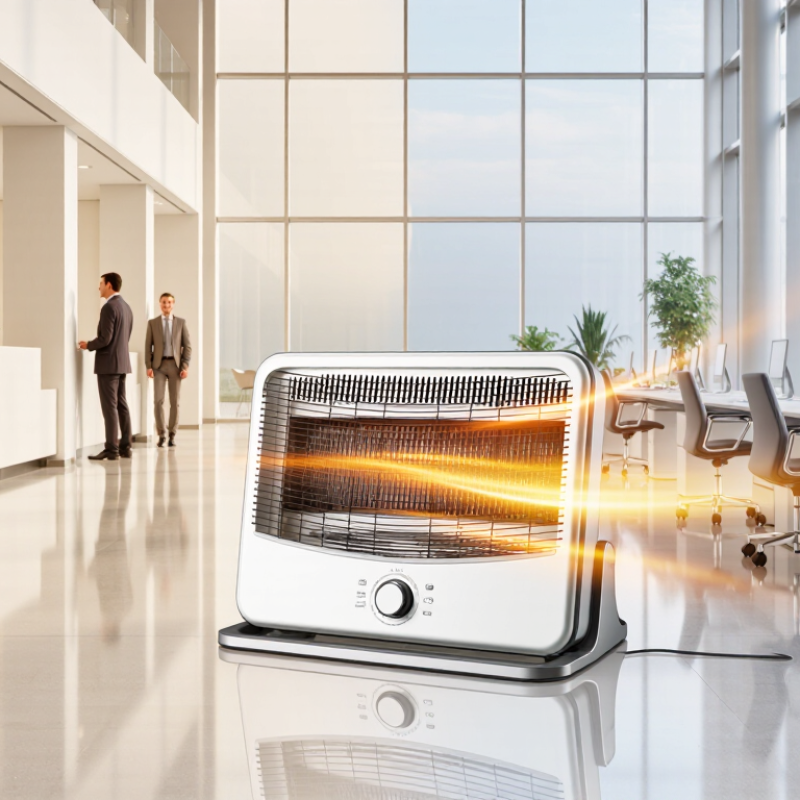
For many businesses, indoor comfort directly affects productivity, customer experience, and equipment performance. An Electric Heater Fan can provide fast, targeted warmth without waiting for a central system to heat an entire building. In a reception area, workshop, retail aisle, or temporary site office, warm air can reach people within minutes. The U.S. Department of Energy explains that electric resistance heaters convert nearly all consumed electricity into heat at the point of use. That efficiency is useful locally, although it does not always mean the lowest operating cost.

Energy decisions should also reflect wider building performance. The International Energy Agency reports that buildings account for about 30% of global final energy consumption and 26% of energy-related emissions. This makes heating selection more important than it may appear. A compact fan heater can support zoned heating, helping businesses warm occupied areas instead of unused rooms. Features such as thermostatic control, overheat protection, adjustable power settings, and clear safety instructions deserve careful attention. The European Commission also emphasizes energy efficiency and product safety across household and commercial appliances.

The practical case is strong, but not perfect. A fan heater may be noisy in a quiet office and expensive during long operating hours. Electricity prices, insulation, room size, and ventilation can change the result. It should not replace a professional heating assessment. Still, for short-term heating, targeted comfort, and flexible installation, an Electric Heater Fan offers a straightforward option. The best choice combines verified safety certifications, realistic energy calculations, and honest consideration of daily working conditions. Be cautious of exaggerated savings claims. Experiences vary.
Why Choose an Electric Heater Fan for Your Business?

What Is an Electric Heater Fan and How Does It Work?

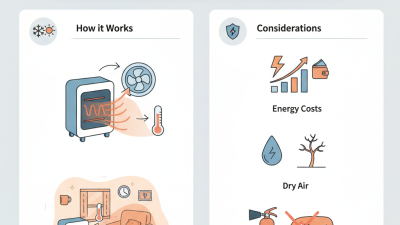
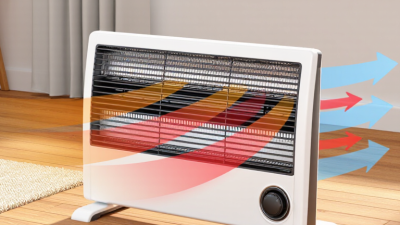
An electric heater fan combines a heating element, a fan, and temperature controls in one compact unit. When electricity passes through the heating element, resistance creates heat. The fan then moves room air across the warm element and pushes heated air outward. This process warms a targeted area without burning fuel or producing exhaust inside the room.

In a small workshop, the airflow may reach a cold desk within minutes. In a retail space, adjustable heat can support comfort near entrances or checkout areas. A thermostat can reduce power when the room reaches the selected temperature. Many commercial models also include overheat protection and a tip-over shutoff. These features matter when equipment operates near staff, shelving, or temporary displays.

Placement still requires care. Keep the air outlet clear, inspect the power cord, and avoid using a circuit already carrying heavy equipment. Dust on the intake can restrict airflow and reduce performance. In practical workplace checks, a fan heater often feels effective nearby but less useful across a large, open floor. It is not a perfect solution. Noise, energy costs, and uneven heating may become noticeable during long operating hours. A qualified technician should check electrical requirements before regular commercial use.
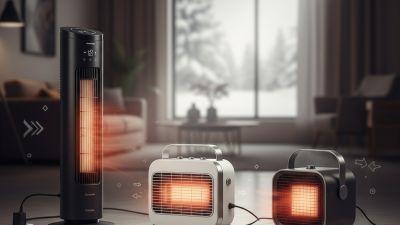
Key Benefits of Electric Heater Fans for Business Environments

Why Choose an Electric Heater Fan for Your Business?

Electric heater fans can make business spaces more comfortable during cold working hours. In a small workshop, warm air reaches staff quickly after the unit starts. This matters near loading doors, reception areas, and temporary workstations. Many models include adjustable thermostats, so they can maintain a steadier temperature without constant manual changes. That can support productivity when employees handle tools, paperwork, or customer requests.

They are also practical because installation is usually simpler than installing a permanent heating system. A portable unit can move between rooms when work patterns change. Electric operation produces no combustion fumes inside the room, although proper electrical protection remains essential. Place the heater on a stable surface, keep clear space around the air outlet, and inspect the cable regularly. Dusty environments need more frequent cleaning, since blocked air inlets may reduce performance or create overheating risks. Check local electrical and workplace safety requirements before daily use.

There are limitations.

Fan heaters may increase noise in quiet offices. They can also consume noticeable electricity when used continuously, especially in poorly insulated buildings. A thermostat helps, but it cannot fix heat escaping through an open door. In practice, businesses often get better results by improving door seals and using the heater only where people work. I have found that comfort is not always equal to maximum heat. Some spaces feel warmer, yet staff still complain about dry air or uneven temperatures. That feedback deserves attention before choosing a larger unit.

How to Choose the Right Electric Heater Fan for Your Workplace

Choosing the right electric heater fan starts with the workplace, not the product catalogue. Measure the room, ceiling height, insulation, and door openings. A cold loading bay needs more output than a small office. The U.S. Energy Information Administration reports that space heating uses about 32% of energy in commercial buildings. That figure makes heat planning worth serious attention. Electric resistance heaters convert nearly all electricity into heat at the point of use, according to the U.S. Department of Energy. However, electricity costs and local power sources still affect operating impact.

Check the heater’s rated output against the room’s heat loss. Do not choose by wattage alone. A 2,000-watt unit can overload a shared circuit or leave a drafty workshop uncomfortable. Look for adjustable thermostats, overheat protection, tip-over shutoff, and a suitable enclosure rating for dusty or damp areas. Noise also matters near desks and customer counters. ASHRAE Standard 55 stresses thermal comfort, but comfort remains personal. A seated employee may feel cold while someone moving boxes feels warm. Test placement at working height, keep airflow clear, and record temperatures during different shifts. I would also question overly optimistic efficiency claims. A heater cannot fix poor insulation. It may only make the electricity bill louder. Certified electrical testing, clear maintenance instructions, and a realistic duty cycle provide stronger evidence than attractive packaging.

Safety, Energy Use, and Maintenance Considerations

Why Choose an Electric Heater Fan for Your Business?

An electric heater fan can warm a small office, workshop, or reception area quickly. Safety should guide the purchase, not just heating speed. Choose a unit with overheat protection, tip-over shutoff, and a stable base. Keep it at least one metre from paper, curtains, and stored materials. Never place it near water or block its air outlet. A properly rated wall socket is safer than a crowded extension lead. Small details matter.

Energy use depends on room size, insulation, and operating habits. A thermostat can reduce waste by cycling the heater instead of running continuously. Heating occupied zones may use less electricity than warming an entire building. Check the power rating before installation and estimate consumption in kilowatt-hours. I have seen heaters left beside open doors, working hard against cold air. That defeats the purpose. Better habits help, although staff may forget them.

Maintenance is simple but should be scheduled. Unplug the heater, let it cool, then remove dust from the grille with a soft brush or vacuum. Inspect the plug and cable for heat marks, cuts, or looseness. Stop using the unit if it smells burnt or makes unusual noises. A qualified electrician should check repeated tripping or damaged wiring. Monthly checks are practical, but busy workplaces may miss them. A written inspection log can make responsibility clearer.

Business Applications and Practical Installation Guidelines

An electric heater fan suits businesses that need fast, localized warmth rather than constant whole-building heating. Retail counters, workshops, warehouses, offices, and reception areas can benefit from directed airflow. The U.S. Department of Energy states that electric resistance heaters convert nearly all incoming electricity into heat at the point of use. That efficiency does not guarantee low operating costs. Electricity prices and operating hours still matter.

Installation begins with a heat-load check. Measure room size, ceiling height, insulation, door openings, and cold-air movement. A small unit may run continuously. An oversized unit may create uncomfortable drafts. Place the heater above occupied zones when possible, but keep clearances from shelving, curtains, stock, and combustible surfaces. Never block the intake or discharge grille. Keep it away from water splash areas.

Use a dedicated circuit when the load requires it, and confirm voltage, current, grounding, and protective devices with a qualified electrician. The National Fire Protection Association’s electrical safety guidance supports correct overcurrent protection and equipment grounding. ASHRAE guidance also emphasizes airflow, thermal comfort, and occupant control. A wall thermostat, timer, or zone control can prevent unnecessary heating. Keep filters and grilles clean. Dust reduces airflow.

One practical warning remains. Real buildings rarely behave like drawings. Test the unit during a busy shift, then check outlet temperature, noise, drafts, and thermostat response. Adjustments may be needed. That is normal.

Why Choose an Electric Heater Fan for Your Business? - Business Applications and Practical Installation Guidelines

Business Application Typical Heating Requirement Common Heater Output Recommended Installation Position Airflow and Control Considerations Key Safety and Practical Notes
Workshops and maintenance areas Fast warm-up for occupied work zones; intermittent heating is often suitable. 3–15 kW
Approx. 10,236–51,180 Btu/h
Wall- or ceiling-mounted, directed across the occupied zone rather than directly at personnel. Use a thermostat or timed control; select adjustable airflow to reduce drafts and improve heat distribution. Keep clear of combustible materials, dust accumulation, stored goods, and areas where water can contact the unit.
Warehouses and storage facilities Maintaining a moderate background temperature, especially near loading and personnel areas. 6–30 kW
Approx. 20,472–102,360 Btu/h
Install above circulation paths or workstations; avoid directing hot air onto sensitive stored products. Use staged heating or multiple smaller units for more even coverage and better zoning control. Maintain the manufacturer’s clearance from racking, packaging, sprinklers, and ventilation openings.
Retail stores and showrooms Quiet, consistent comfort for customers and staff without combustion exhaust inside the sales area. 2–12 kW
Approx. 6,824–40,944 Btu/h
High on a wall or ceiling, positioned to avoid uncomfortable direct airflow at checkout or display areas. Choose low-noise operation where customer comfort is important; connect to a room thermostat or building control system. Check electrical load, circuit capacity, accessibility for servicing, and protection against accidental impact.
Offices and commercial workspaces Localized supplemental heat for rooms, extensions, reception areas, or spaces with uneven heating. 1.5–9 kW
Approx. 5,118–30,708 Btu/h
Wall-mounted or ceiling-mounted outside normal desk and walkway zones. Prioritize low sound levels, accurate thermostatic control, and moderate air velocity. Do not obstruct air inlets or outlets; installation should be performed by a qualified electrical professional.
Garages and vehicle service bays Rapid recovery when doors open frequently and cold air enters the workspace. 6–24 kW
Approx. 20,472–81,888 Btu/h
High wall or ceiling location, aimed across the bay; avoid direct exposure to vehicle exhaust, spray, or impact. Use door switches, thermostats, or timed controls to reduce unnecessary operation during unoccupied periods. Confirm the unit’s suitability for the environment; keep it away from flammable vapors, fuels, and water spray unless specifically rated.
Restaurants and food-service back areas Supplemental heating for staff areas, receiving zones, and dining spaces affected by frequent door opening. 3–15 kW
Approx. 10,236–51,180 Btu/h
Position away from cooking vapors, grease-laden exhaust, food-contact surfaces, and customer seating airflow paths. Coordinate operation with kitchen exhaust and make-up air systems to avoid drafts and pressure-related comfort issues. Follow local hygiene, electrical, ventilation, and fire-safety requirements; provide regular cleaning access.
Greenhouses and agricultural work areas Frost protection or temperature maintenance in designated areas, subject to humidity and crop requirements. 3–18 kW
Approx. 10,236–61,416 Btu/h
Mount securely above the work area with airflow distributed across the space, not concentrated on plants. Use humidity-appropriate controls and consider multiple low-output units for uniform temperature distribution. Use only equipment approved for damp or wet locations where applicable; protect connections from condensation and irrigation water.
Temporary workspaces and event facilities Flexible heating for short-term occupancy, portable offices, halls, or enclosed event areas. 1.5–15 kW
Approx. 5,118–51,180 Btu/h
Place on a stable surface or secure mounting point with unobstructed intake and discharge openings. Use thermostatic or timed operation; distribute several units rather than relying on one unit for a large open area. Protect cables from foot traffic, avoid extension leads unless approved for the load, and provide adequate ventilation where required.
General sizing and installation checklist Final capacity depends on floor area, ceiling height, insulation, outdoor design temperature, ventilation, door openings, and desired indoor temperature. 1 kW = 3,412 Btu/h
Use a heat-loss calculation for final selection.
Allow clear access for inspection and maintenance; verify mounting strength and orientation before commissioning. Confirm voltage, phase, amperage, breaker size, cable rating, thermostat compatibility, and zoning requirements. Follow the installation manual, local electrical codes, fire regulations, and required clearances; test overheat protection before use.

Note: Output ranges are practical planning references. Actual equipment selection and minimum clearances must be verified against the specific installation conditions, applicable regulations, and the heater manufacturer’s instructions.