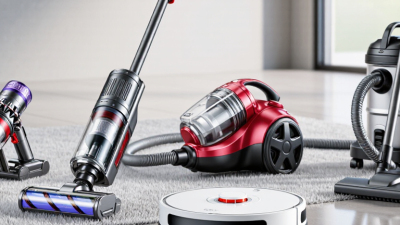
Choosing a vacuum cleaner is not just about suction power or a sale price. The right machine should match your floors, home layout, and cleaning habits. Small details matter: a heavy upright can feel awkward on stairs, while a compact cordless model may need frequent recharging.
The U.S. Environmental Protection Agency reports that people spend about 90 percent of their time indoors, and some indoor pollutant levels can be two to five times higher than outdoor levels. That makes effective cleaning useful, though no vacuum can solve every indoor-air problem. Look beyond bold claims. The Carpet and Rug Institute’s Seal of Approval program evaluates products for soil removal, dust containment, and carpet appearance retention. These measures offer a more practical starting point than marketing language alone.
There is no perfect model. A low-cost vacuum may suit a small apartment but struggle with thick rugs or pet hair. A premium unit may offer features you rarely use. These 10 tips for choosing the best vacuum cleaner will help you compare filtration, attachments, maintenance, noise, and running costs. We’ll also consider where Cleaners Vacuum options fit into different homes. Read the specifications carefully. Real-world performance can still vary.
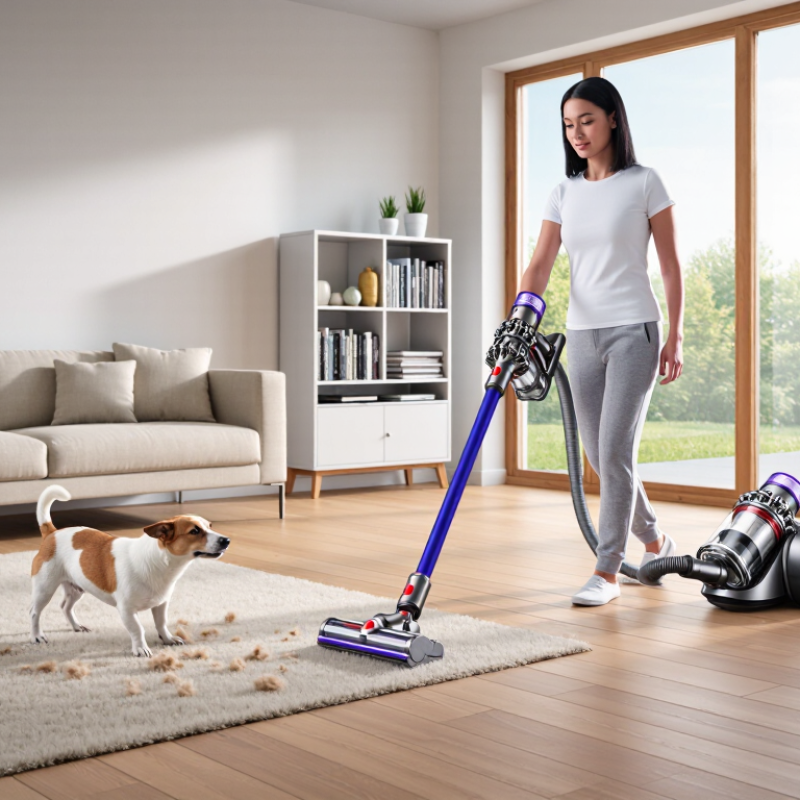
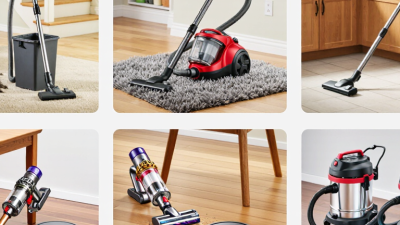
Choosing a vacuum starts with the floor under your feet, not the feature list. On tile or sealed wood, a soft brush and adjustable suction help lift dust without scattering crumbs. Thick carpet needs a powered brush roll; test it on a rug corner, since strong suction alone may leave grit behind. Check the edges. For stairs, a lighter canister or cordless model may be easier to carry, while a home with pets needs a brush that releases wrapped hair without a long struggle. Measure your closet, too. A bulky cleaner that stays unused is a poor choice.
Household needs change the decision. The U.S. EPA’s report The Inside Story: A Guide to Indoor Air Quality says indoor pollutant levels are often two to five times outdoor levels. That does not mean a vacuum alone improves air quality, but it makes dust containment worth checking. The U.S. Department of Energy defines HEPA filtration as capturing at least 99.97% of particles 0.3 micrometers across; that figure describes the filter, not necessarily the whole machine. Look for a sealed system and clear filter-replacement instructions. Allergy concerns, shedding pets, small children, and limited storage all matter. I would still compare weight and noise in person; product descriptions rarely show how awkward a machine feels on a narrow landing.
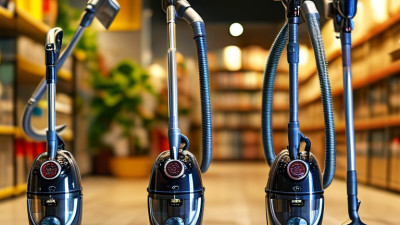
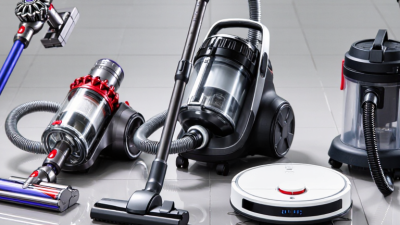
An upright vacuum suits larger carpeted rooms because its wide head covers floor quickly and its brush roll lifts embedded debris. It can feel heavy on stairs, though. Canister models are easier to guide around furniture and often work well on mixed flooring, but their hose and body take up storage space. A cordless stick vacuum is handy for crumbs and quick daily passes. Its smaller dust bin may need frequent emptying. Robot vacuums can maintain open floors between deeper cleans, but loose cords and high thresholds can stop them.
Tips: Match the vacuum to your floors, not just its advertised power. Check whether the brush roll can be switched off for delicate rugs or hard floors. If you have pets, inspect how easily hair clears from the brush. Measure your closet, too. A powerful machine that is awkward to store may get used less often.
For stairs, upholstery, or car seats, look for a lightweight model with a hose or useful attachments. Allergy-sensitive households may benefit from a well-sealed filtration system, but filters need regular care. I would not choose by suction claims alone; the floor head, seal, and maintenance matter in practice. No single type handles every home equally well, and that is easy to overlook while shopping.
A vacuum’s suction is useful only when it suits your floors. Compare airflow and suction specifications carefully, since manufacturers may measure them differently. For thick carpets, a powered brush roll can lift grit trapped between fibers. On hardwood, adjustable suction and a brush-roll shutoff help prevent scattered debris and scratches. Test it. If possible, try the cleaner on a rug edge and under a chair, where bulky heads often struggle.
Filtration matters when dust control is a priority. Look for a sealed system that directs air through its filter rather than letting fine particles escape around the housing. A HEPA-rated filter may help capture small particles, but the whole machine’s design matters too. Check whether filters are washable or need replacement, and how often maintenance is recommended. Small detail. A clogged filter can reduce airflow, even in a powerful machine.
Consider everyday features before choosing. A lightweight body, swivel head, and reachable controls make quick cleanups less tiring. A long hose helps with stairs and upholstery, while a larger bin means fewer interruptions. These advantages involve trade-offs: bigger bins can add weight, and extra attachments are not useful if they stay in a cupboard. Check the cord length, noise level, and cost of replacement parts. There is no perfect setup for every home; floor types, storage space, and cleaning habits can change what feels practical.
| Tip | What to Evaluate | Practical Check | Why It Matters |
|---|---|---|---|
| 1. Match suction to your floors | Look for adjustable suction or settings suited to both carpets and hard floors. | Check whether the cleaner can pick up debris from your main floor types without scattering it or becoming difficult to push. | Flooring, nozzle design, and airflow all affect cleaning performance; a single suction figure does not tell the whole story. |
| 2. Assess carpet agitation | For carpet, consider a motorized brush roll and a height setting appropriate for your carpet pile. | Check that the brush roll can be turned off or adjusted if you also have delicate rugs or hard floors. | A rotating brush helps loosen embedded debris in carpet, while the wrong setting can make the vacuum harder to maneuver or damage delicate surfaces. |
| 3. Check filtration and sealing | Review the filter type and whether the vacuum is designed to limit air leaks around the dust container and filter. | If fine-particle filtration is important, look for a clearly stated HEPA rating and information about the complete filtration system. | A HEPA filter is rated to capture at least 99.97% of particles 0.3 microns in size when tested to the applicable standard; overall performance also depends on system design and sealing. |
| 4. Compare suction claims carefully | Check what a published suction or airflow measurement represents and how it was tested. | Avoid comparing figures measured using different methods; look for independent tests or a return policy that lets you try the vacuum at home. | Measurements such as air watts, airflow, and sealed suction describe different aspects of performance and may not be directly comparable. |
| 5. Choose a suitable dust capacity | Compare the dustbin or bag capacity with your home size, cleaning frequency, and the amount of debris you collect. | Check how easy it is to empty or replace the bag, and whether the process keeps dust contained. | A larger capacity can reduce interruptions, while an easy-to-empty design makes routine maintenance more manageable. |
| 6. Consider bagged versus bagless | Weigh ongoing bag costs against the cleaning and filter-maintenance needs of a bagless model. | Check replacement-part availability and follow the care instructions for washing or replacing filters. | Both designs can clean effectively; their costs, emptying methods, and maintenance routines differ. |
| 7. Test reach and maneuverability | Consider the vacuum's weight, handle comfort, turning ability, and the length of its cord or hose. | Check whether it can reach under furniture, around corners, and up stairs in your home. | A vacuum that is difficult to move or carry may be inconvenient to use, even if its cleaning performance is strong. |
| 8. Review tools for your needs | Look for useful attachments such as a crevice tool, upholstery tool, or dusting brush. | Confirm that the tools are included, easy to store, and suitable for the surfaces you need to clean. | The right attachments can make it easier to clean edges, furniture, stairs, and other areas the main floor head cannot reach. |
| 9. Check noise and battery needs | For a cordless model, compare stated runtime and charging time; for any model, consider published noise information. | Check runtime in the cleaning mode you expect to use, since higher-power settings can use battery charge more quickly. | Actual cleaning time depends on the selected mode, surface, battery condition, and attachments in use. |
| 10. Factor in maintenance and support | Review the warranty, filter and brush-roll care requirements, and availability of replacement parts. | Check the manual for recommended maintenance and make sure you can obtain consumables and parts when needed. | Regular maintenance helps keep airflow and cleaning performance consistent and can make the vacuum more practical to own over time. |
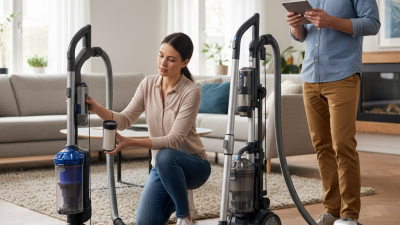
When comparing vacuum cleaners, test the handle in a position you would actually use. Push the machine across a rug, then turn it around a table leg. A swivel head can help, but overly sensitive steering may feel twitchy. Check the weight, especially if you need to carry it upstairs. That matters. A display model can feel easier to guide than one with a full dust bin, so allow for that difference.
Look at routine maintenance before buying. Can you remove the brush roll without tools? Are filters washable, replaceable, or both? Check the instructions for cleaning intervals; a clogged filter can reduce airflow. Emptying the bin should be simple and contained, not a dusty wrestling match. Small parts are easy to misplace. Note their cost and availability, too.
Noise is personal, so listen in a quiet room if possible. A low hum may be easier to tolerate than a sharp whine, even at similar volume. Storage deserves the same practical test: measure the closet, including door clearance, and check whether attachments clip onto the machine. Specs can guide you, but they cannot predict how a vacuum feels on your own floors. I would leave room for that uncertainty.
A low sticker price can be appealing, but the purchase cost is only part of a vacuum cleaner’s real price. Check the cost and availability of filters, bags, and replacement brush rolls. A model that needs a new filter every few months may cost more over time than its shelf price suggests. Keep a simple estimate for three years of ownership.
Warranty length matters, but coverage matters more. Read what the warranty excludes, including batteries, belts, and damage from clogged filters. Check whether repairs require shipping the machine away, and whether labor is covered. Read the fine print. A long warranty is less useful if common failures are excluded or service is difficult to arrange.
Performance should fit your floors and routine, not just a showroom demo. Compare pickup on rugs and hard floors, maneuverability around chair legs, and how easily the bin or bag can be emptied. If possible, try the controls and listen to the noise in a small room. I once focused too much on suction claims; that missed the hassle of carrying a heavy machine upstairs. That judgment needs context: a heavier vacuum may still suit a home with mostly open floors. Look for clear care instructions and replacement parts that will remain available. A little research now can prevent a frustrating repair later.
How to use this chart: These suggested weights add up to 100% and offer a practical way to compare models. Consider purchase price alongside cleaning performance, warranty coverage, and ongoing filter or bag costs. The weights are an example decision framework, not market-survey results.