Inquiry
Form loading...
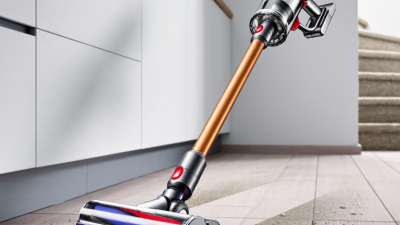
A Cordless Vacuum Cleaner is no longer just a convenient alternative to a plug-in model. Buyers now compare suction performance, battery life, filtration, weight, and after-sales support. These details matter in daily use: a vacuum may need to move from hard floors to a carpet, then fit beneath a sofa without losing power.
Grand View Research estimated the global cordless vacuum cleaner market at about US$6.5 billion in 2023 and forecast continued growth through 2030. Its market report points to rising demand for convenient, lightweight cleaning appliances. The figure is an estimate, not a universal count; research firms may define product categories differently. Still, it offers useful context for examining China’s manufacturers.
China’s appliance supply chain includes established household brands and specialist manufacturers producing products for domestic and overseas markets. A top-ten list should therefore distinguish brand owners from original equipment manufacturers, rather than treating them as interchangeable. It should also assess product range, manufacturing capability, quality controls, export experience, and service arrangements. A polished product photo proves little. Battery performance and repair access matter more over time.
This guide introduces ten Chinese companies connected to the cordless vacuum cleaner sector. Company rankings can change, and public data does not always reveal factory capacity or customer relationships. Treat the list as a starting point. Verify each supplier’s current products, certifications, and business credentials before making a purchasing decision.
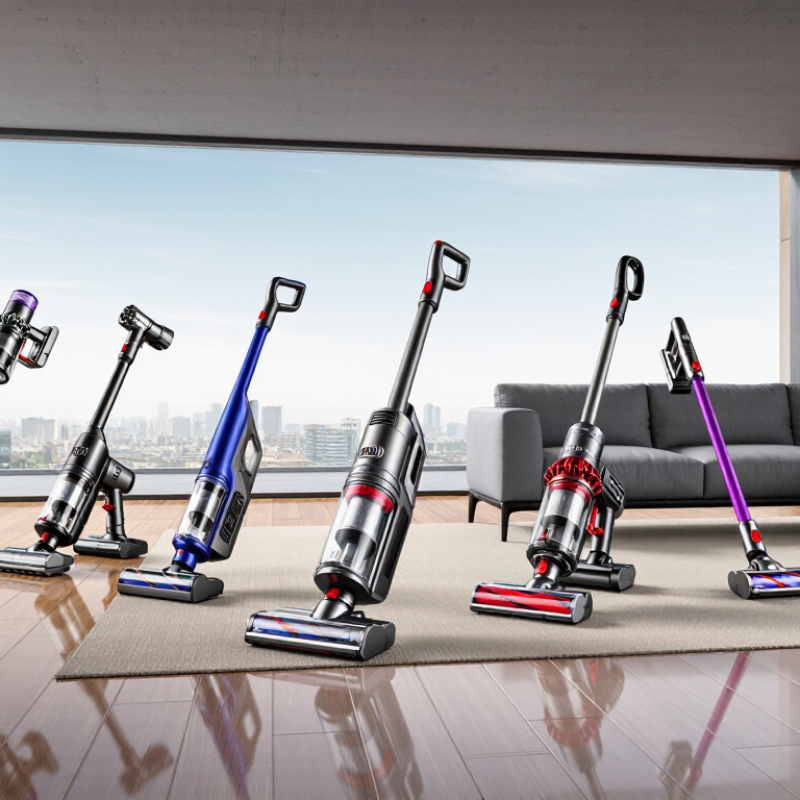
China Top 10 Cordless Vacuum Cleaner Manufacturers?
Criteria for Selecting China’s Leading Cordless Vacuum Cleaner Manufacturers
Selecting a manufacturer requires more than comparing quoted prices. Grand View Research valued the global vacuum cleaner market at USD 12.9 billion in 2022 and forecast a 9.9% compound annual growth rate through 2030. This broader market figure signals competition, not proof of factory capability. Ask suppliers for documented production capacity, defect records, battery traceability, and recent inspection results. Request evidence, not promises.
Performance claims need repeatable tests. IEC 62885-2:2021 describes methods for measuring dry vacuum cleaner performance. Check suction and pickup on different floor types, then repeat tests with a full dust container. Battery runtime should be measured using the powered floor head, not only an unloaded motor. Review cell sourcing, charge-cycle results, filtration fit, and sample-to-sample consistency. Small gaps matter. A handle that loosens after repeated use can undermine an otherwise strong design. No factory is flawless; clear corrective-action records are more credible than claims of zero defects.
Tips: Request three production samples, not just a polished prototype. Compare their noise, runtime, and pickup under the same test conditions. Ask how failed units are recorded and corrected. If answers remain vague, pause.
Use this 100-point scorecard to assess and compare potential manufacturers. It evaluates verifiable capabilities rather than naming or ranking individual companies.
| No. | Selection Criterion | Weight | What to Verify | Strong Evaluation Indicators |
|---|---|---|---|---|
| 1 | Product engineering and design | 15 points | Design ownership, engineering resources, product development process, and documented design changes. | Can provide product specifications, engineering records, prototypes, and evidence of design verification for the proposed model. |
| 2 | Cleaning performance validation | 15 points | Test methods and results for suction or airflow, pickup on relevant floor types, filtration, noise, and operating modes. | Provides repeatable test reports identifying the model, test conditions, equipment, and results; performance claims are supported by evidence. |
| 3 | Battery and charging safety | 13 points | Battery-cell documentation, pack protection, charger compatibility, thermal safeguards, and transport test documentation. | Supplies traceable battery and charger records. Where applicable, documentation addresses IEC 62133-2 for portable lithium cells or batteries and UN 38.3 transport testing. |
| 4 | Quality management system | 12 points | Current quality-system certification, certificate scope and validity, incoming inspection, in-process checks, and final inspection records. | Provides verifiable, in-scope quality documentation, such as ISO 9001 certification, along with inspection procedures and corrective-action records. |
| 5 | Reliability and durability testing | 10 points | Test coverage for motors, switches, battery packs, charging cycles, dust containers, filters, and accessories. | Maintains documented test plans with defined sample quantities, test conditions, acceptance criteria, and records of failures and corrective actions. |
| 6 | Manufacturing and process control | 10 points | Production-line capability, work instructions, equipment maintenance, staff training, lot traceability, and control of outsourced processes. | Can demonstrate a controlled production process and trace finished products to relevant component or production batches. |
| 7 | Supply-chain management | 8 points | Supplier qualification, component-change approval, incoming material controls, and continuity plans for key components. | Documents supplier controls and notifies buyers of material or component changes that could affect product performance or compliance. |
| 8 | Customization and product documentation | 6 points | Ability to adapt product features, accessories, packaging, manuals, and labeling to agreed market requirements. | Confirms requirements in writing and supplies consistent, accurate technical documents and user instructions for the agreed configuration. |
| 9 | Market-specific compliance readiness | 6 points | Applicable electrical, battery, radio, chemical, labeling, and packaging requirements for the destination market. | Identifies applicable requirements by model and market and provides relevant reports or declarations. For example, IEC 60335-1 and IEC 60335-2-2 address safety requirements for household appliances and vacuum cleaners; applicability depends on the product and market. |
| 10 | Warranty and after-sales support | 5 points | Warranty terms, spare-parts availability, fault-analysis process, response times, and handling of product complaints. | Provides clear written service terms, a defined process for investigating defects, and a practical plan for replacement parts and support. |
| Total Evaluation Weight | 100 points | Score each criterion using verified documents, product samples, audits, and agreed test results. | ||
Note: The weights and evaluation indicators are a suggested procurement framework, not a published ranking or a claim about any specific manufacturer. Standards and certification requirements vary by product configuration and destination market; confirm current applicability with qualified testing or compliance professionals.